Miyase İlknur, in her new column in Cumhuriyet newspaper, examines the concept of 'Middle East NATO 2.0.' This analysis, amidst the NATO summit in Ankara, reveals fundamental changes in regional defense strategies.
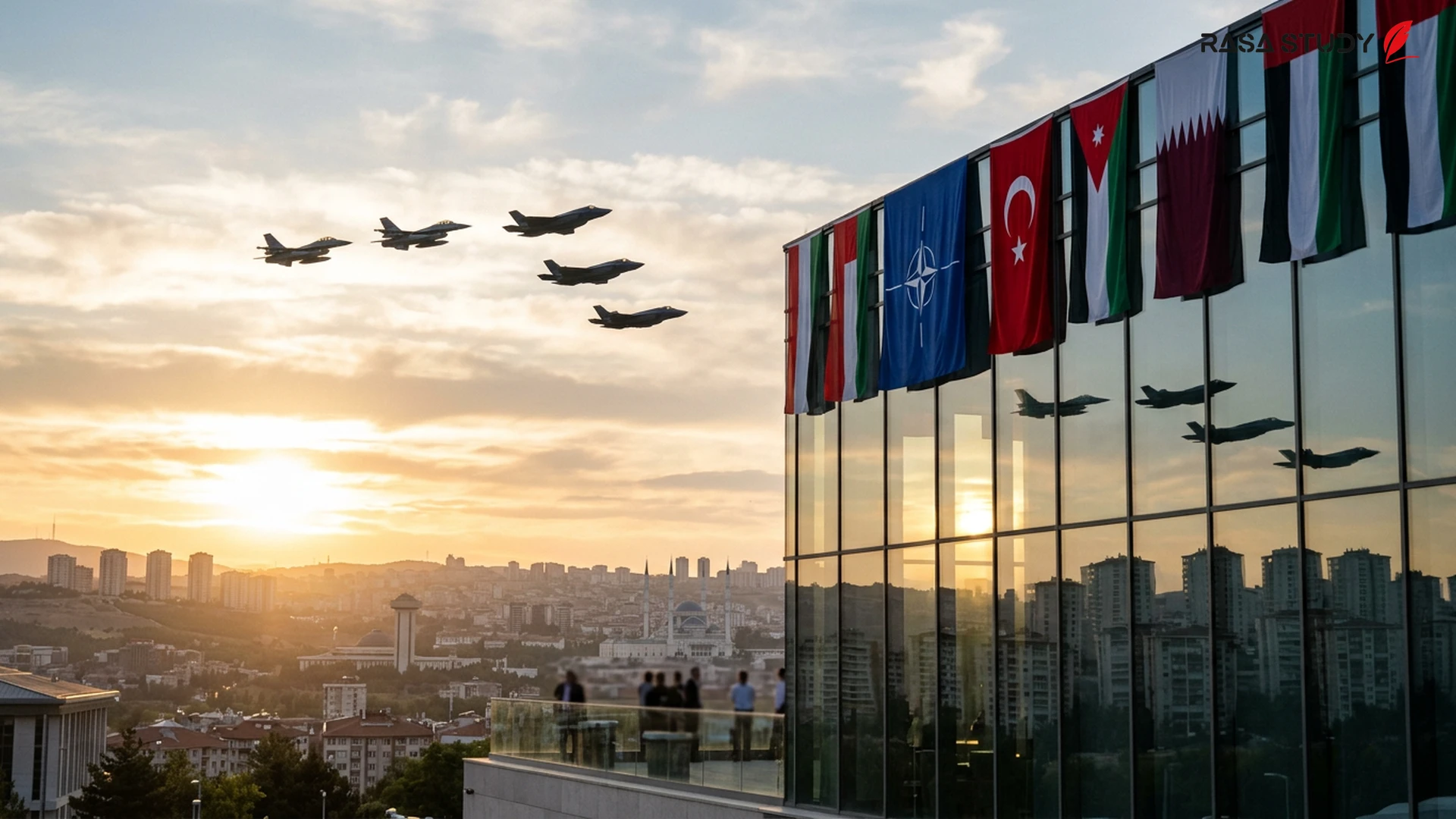
Ankara Summit: NATO's Turning Point in the Middle East In recent days, Ankara hosted the 36th NATO Summit, which many analysts, including Miyase İlknur, believe has marked a new chapter in regional security equations [1]. The summit, attended by 32 member states under heavy security measures, witnessed an unprecedented focus on expanding the alliance's strategic influence toward the Middle East and the Persian Gulf [3]. In her note titled 'Middle East NATO 2.0,' İlknur describes these movements as going beyond simple cooperation, viewing them as an attempt to redefine the region's military order [1].
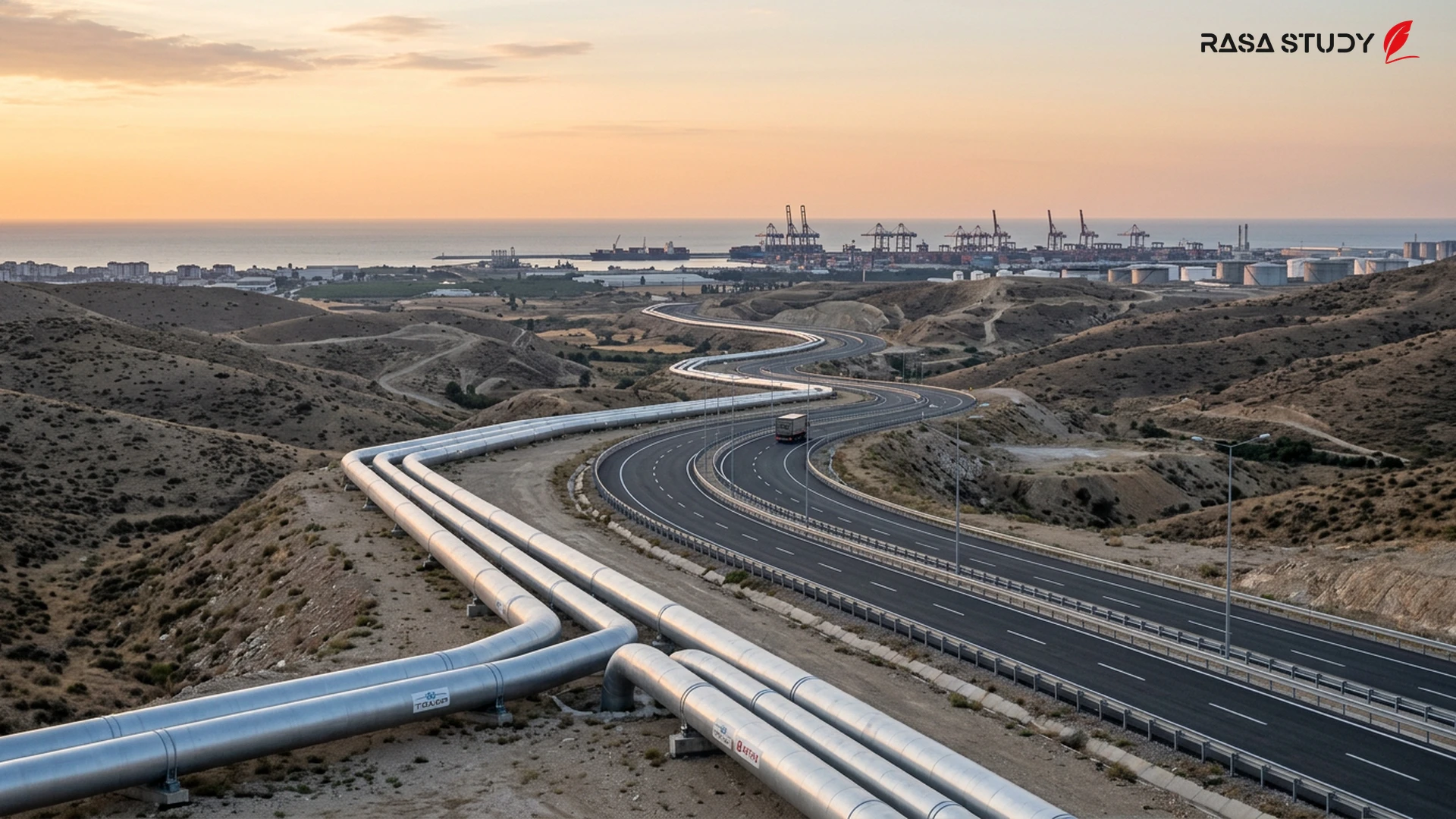
NATO 3.0 and Flagship Projects in the Gulf One of the most significant achievements of the 2026 Ankara Summit was the unveiling of the 'NATO 3.0' doctrine, which aims to expand NATO's strategic reach to the Black Sea, the Caucasus, and especially the Middle East [3]. In this regard, NATO officially launched a series of 'flagship projects' with its Gulf partners, including Bahrain, Kuwait, Qatar, and the United Arab Emirates [2]. These projects cover vital areas such as maritime security, countering drone systems, defense against chemical and biological threats, and counter-terrorism [2]. This cooperation, built upon the 'Istanbul Cooperation Initiative' (ICI), indicates NATO's desire for a more active presence in regional energy security and trade routes [5].
Trump's Role and Confrontation with Iran The presence of U.S. President Donald Trump at this summit and his bilateral meetings with leaders such as Volodymyr Zelenskyy and Ahmad al-Sharaa, the new president of Syria, has added complex political dimensions to this alliance [3]. In his speeches, Trump once again emphasized the need for members to increase defense budgets and called on NATO allies to show greater solidarity against what he termed 'indiscriminate Iranian attacks in the region' [5]. İlknur notes that this 'second version of NATO' is clearly formed with the aim of containing Iranian influence and creating a joint air defense block across the region [1][2].
Turkey's Position in the New Balance of Power As the host of the summit, Turkey played a key role in mediating between NATO and regional countries. Reports indicate that the Ankara government is negotiating for the lifting of 'CAATSA' sanctions and a return to the F-35 fighter jet program [4]. One proposed solution raised on the sidelines of the summit is the possibility of Turkey selling or transferring Russian S-400 systems to one of the Gulf countries to satisfy Washington [4]. In her final analysis, Miyase İlknur warns that while these new alliances may provide security for some actors in the short term, they increase the risk of larger confrontations in the heart of the Middle East [1].
The 36th NATO Summit in Ankara (July 2026) became a platform for announcing new security projects in the Middle East.
linkSources
- Miyase İlknur: Ortadoğu NATO’su 2.0 — Cumhuriyet (2026-07-11)
- NATO deepens security cooperation with Gulf Countries through the launch of flagship projects — NATO (2026-07-10)
- The ‘NATO 3.0’ doctrine and the Ankara Summit — Yetkin Report (2026-07-06)
- Trump says US will lift CAATSA sanctions on Turkey — Al-Monitor (2026-07-10)
- NATO leaders reaffirm ‘ironclad commitment’ at Ankara summit — Turkish Minute (2026-07-08)