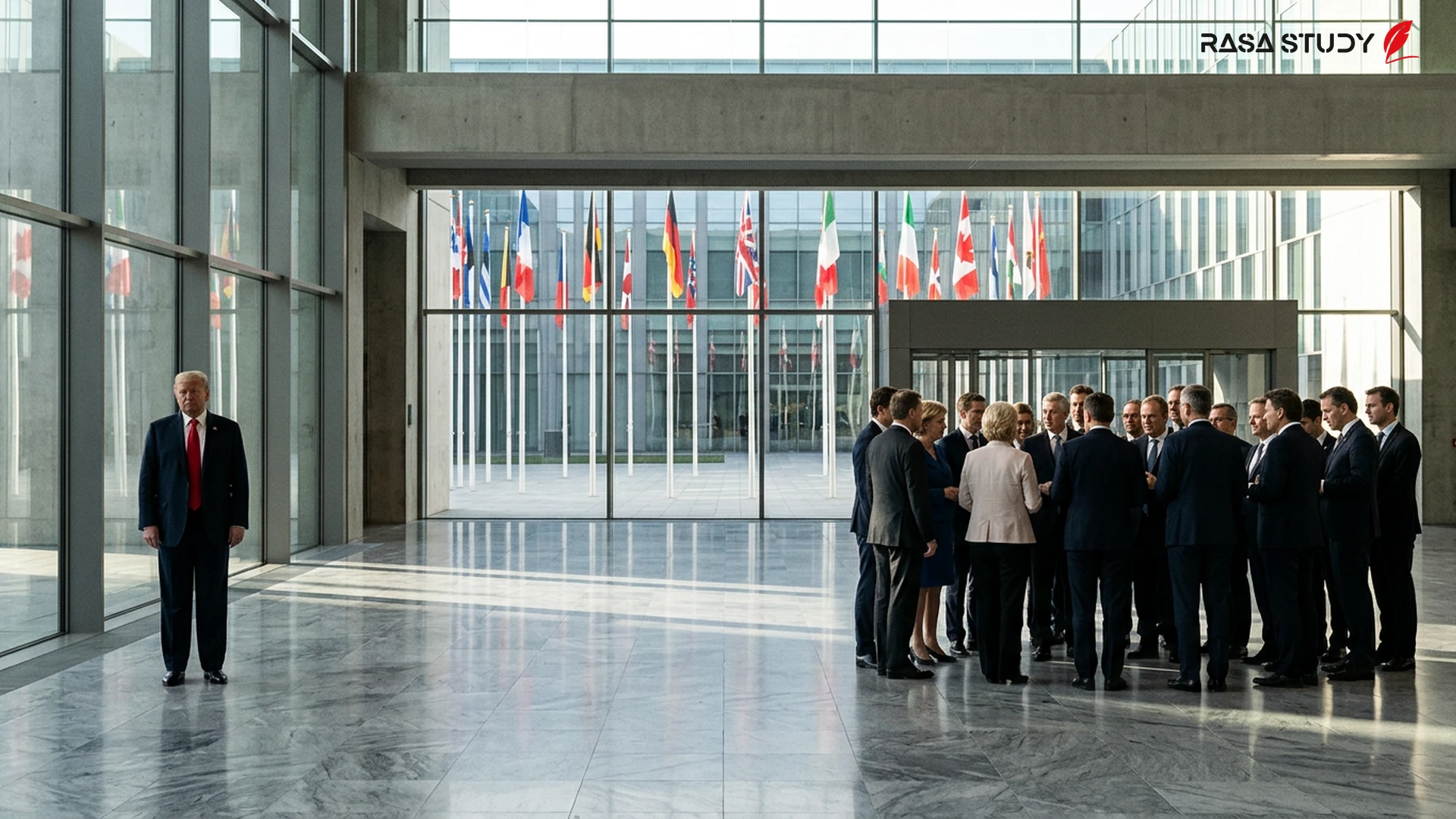
As diplomatic tensions between Washington and Tehran escalated in July 2026, recent reports show that European countries and NATO have refused to align with Donald Trump’s aggressive policies toward Iran. [1]
Failure of Pressure Diplomacy in Brussels During recent NATO summits in Brussels, Donald Trump once again raised the issue of countering Iran's regional influence as one of the alliance's top priorities. However, contrary to White House expectations, America's traditional allies in Europe have shown no willingness to accept new military commitments or broader sanctions. [2] This disagreement indicates a deep rift in transatlantic strategies that could affect the future of security cooperation among NATO members. ## Europe's Tough Stance Against Trump European countries, particularly Germany and France, believe that escalating tensions with Iran in the current situation is not in the interest of the continent's security. According to reports published by media outlets such as Gazete Oksijen, European diplomats have explicitly stated that Trump failed to gain the necessary support for his plans within NATO. [1] These countries prefer to use diplomatic tools and open channels for crisis management instead of direct confrontation, maintaining their distance from Washington's aggressive policies. ## The Role of Gazete Oksijen in Revealing Details An exclusive report by Gazete Oksijen has pulled back the curtain on the details of closed-door meetings. The news source emphasizes that Europe has systematically refused to accept Trump's requests to form a united military front against Iran. [1] Analysts believe that this European resistance is a clear message to Washington that the era of unquestioning adherence to United States policies in NATO has ended, and Europe is seeking to define its own independent security interests. ## Geopolitical Consequences for Regional Security NATO's refusal to accompany Trump on the Iran issue could lead to a shift in the balance of power in the Middle East. While Washington seeks further isolation of Tehran, Europe's independent position provides space for diplomatic maneuvers. [3] This situation also reflects NATO's internal challenges in defining common threats and how to confront them in 2026. If Trump cannot convince his allies, we may see more unilateral actions from the United States, which will deepen existing divisions.
The NATO summit in July 2026 concluded with deep differences over Middle East policies.
linkSources
- Avrupa İran konusunda mesafesini koruyor: Trump, NATO'dan beklediği desteği alamadı — Gazete Oksijen (2026-07-09)
- NATO Summit 2026: Allies resist US pressure on Iran sanctions — Reuters (2026-07-08)
- European Leaders Stand Firm Against Trump's Iran Policy — The Guardian (2026-07-07)


