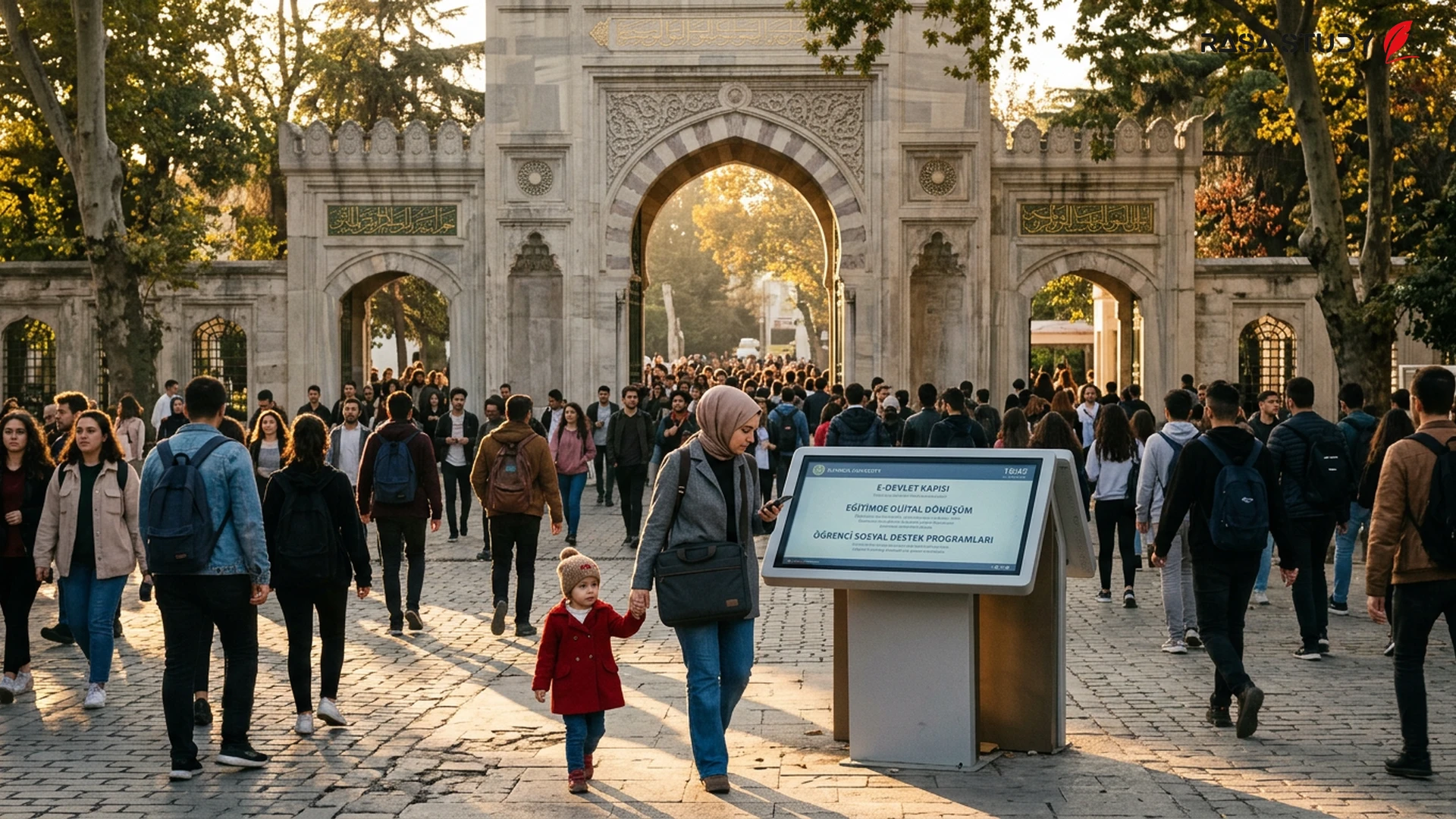
With the publication of new resolutions in the Turkish Official Gazette in July 2026, the educational and disciplinary regulations of the country's universities have undergone fundamental transformations that will change the academic path of thousands of students.
New Reforms in the Official Gazette; Focus on Technical Universities and Distance Education On July 10, 2026, issue number 33306 of the Turkish Official Gazette (Resmî Gazete) published significant changes to the educational regulations of Anadolu University and Konya Technical University [1]. According to these resolutions, examination and educational processes at Anadolu University’s Open Education Faculty (AÖF) have been updated to align with new digital standards [2]. Additionally, at Konya Technical University, tuition refund rules have changed; henceforth, students who withdraw or are dismissed after the start of the semester will not be entitled to a refund of the tuition paid for that term [2]. These changes have been implemented with the aim of ensuring greater financial and educational discipline in higher education institutions. ## Definition of 'Equivalent Degree' and Special Facilities for Student Mothers One of the most important parts of the recent reforms, which had been hinted at in previous days, is the legal definition of an 'equivalent or comparable diploma program' [3]. According to this law, educational programs that share at least 80% of their curriculum content are recognized as equivalent, which makes transferring between universities much easier for students [3]. Furthermore, in a supportive step, female graduate students who have children are allowed to receive two additional semesters (one academic year) of leave without their academic residency period being affected [3]. ## 2026 Academic Amnesty and the Return of Thousands of Students to Education The Turkish government has initiated a widespread academic amnesty plan by submitting a bill to the Parliament (TBMM) for students who have been dismissed or have withdrawn from universities for various reasons since July 2022 [4]. This plan includes associate, bachelor's, and graduate levels, giving students the opportunity to register their return request within 4 months after the law takes effect [4]. However, individuals convicted of serious crimes such as terrorism, intentional homicide, or drug trafficking are excluded from these facilities [4]. This move is a second chance for more than one million young people who had dropped out of education for economic or personal reasons. ## Full Digitalization of Documents and Strict Supervision of Educational Quality The Council of Higher Education of Turkey (YÖK) has announced that from now on, all academic degrees and certificates must be issued and verified exclusively through the e-Government system (e-Devlet) [5]. This measure has been taken to combat unauthorized institutions and forged documents. Simultaneously, YÖK has begun the process of revoking the licenses of 15 universities that failed to meet the necessary quality standards in the 2025 evaluations [5]. Additionally, heavy penalties have been considered for academic fraud, including the writing of theses by third parties, which can lead to the dismissal of professors or the cancellation of individuals' academic degrees [4].
New changes in Turkish educational regulations published in the Official Gazette in July 2026 have defined new rights and duties for students.
linkSources
- ÜNİVERSİTE ÖĞRENCİLERİ DİKKAT! RESMÎ GAZETE'DE YAYIMLANDI, KURALLAR DEĞİŞTİ — Bugün Kocaeli Gazetesi (2026-07-10)
- Konya Teknik Üniversitesi Önlisans ve Lisans Eğitim-Öğretim ve Sınav Yönetmeliğinde Değişiklik — Hukuki Haber (2026-07-09)
- Üniversite Öğrencileri Dikkat! 2 Dönem Ek Süre Detayı Gündem Oldu — Çanakkale Kalem (2026-07-07)
- Türkiye proposes university amnesty, tighter higher education rules — Hürriyet Daily News (2026-07-04)
- Digital Revolution in Turkish Education; Mandatory Use of e-Devlet for All Credentials — Rasa Study (2026-07-06)