On June 12, 2026, a wave of widespread protests against university administrations that have mandated the use of Artificial Intelligence at all educational and administrative levels has severely strained the global academic atmosphere.
Today, June 12, 2026, reports published by media outlets such as Gazette Mamur and TRT Haber indicate a deep rift between the student body and university management regarding the use of AI. While university presidents view this technology as a tool for efficiency and prestige, students and faculty see it as a threat to educational quality and intellectual independence [1].
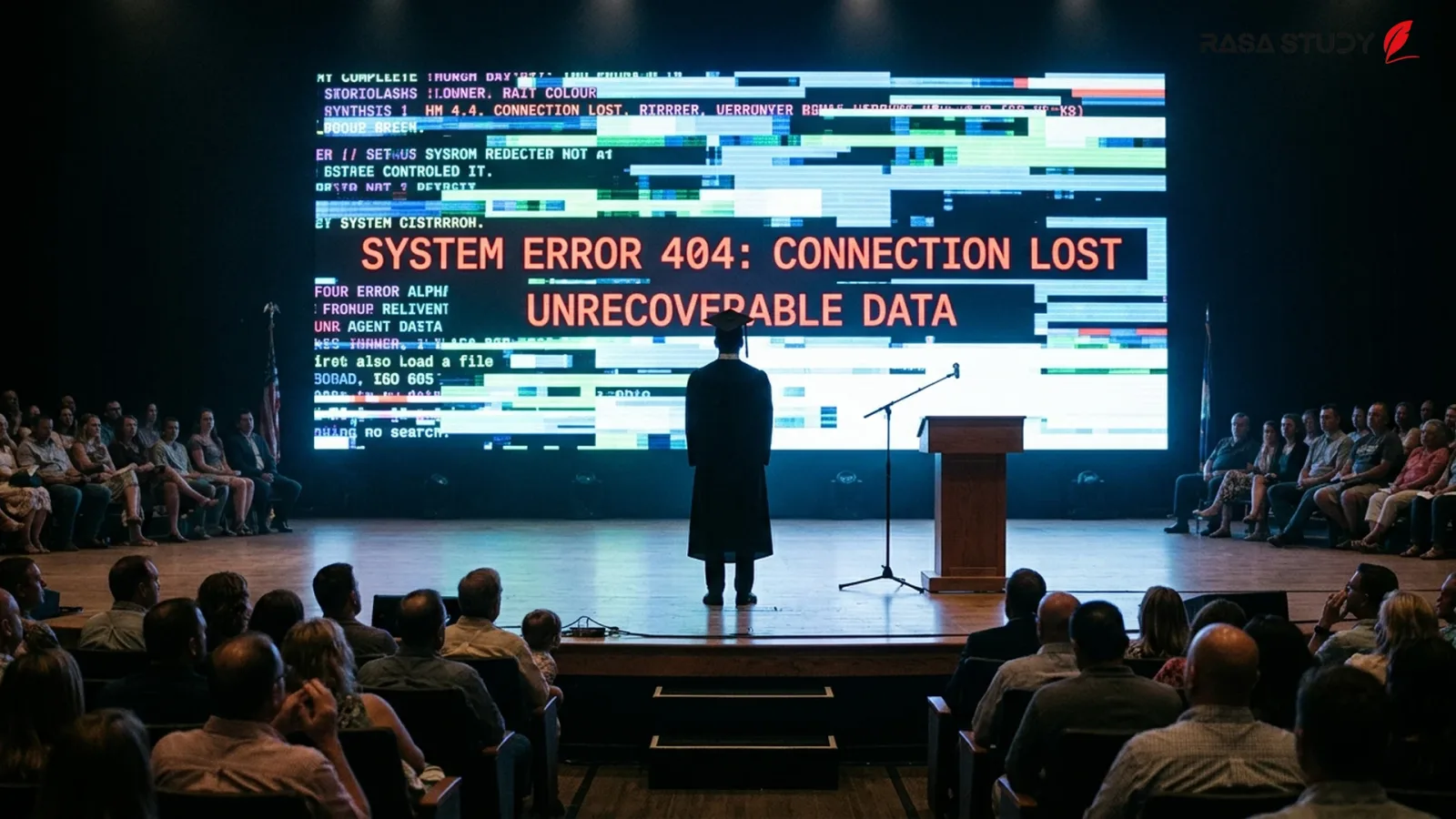
Disaster at Graduation and Public Protests One of the most controversial recent incidents occurred at Glendale Community College in Arizona. During the ceremony, the university administration decided to entrust the reading of graduates' names to an AI system. However, the technology failed to match names with students' faces and displayed incorrect information on the screens. This "technological disaster" at one of the most important moments of the students' lives was met with harsh reactions and repeated booing from families and graduates [1][3]. Protesters believe that delegating human and emotional tasks to machines demonstrates management's indifference to human values.
Budget Conflict: Million-Dollar Contracts During Austerity Another part of the protesters' anger stems from financial issues. While many universities are struggling with budget deficits, they have signed heavy contracts with major AI companies. For instance, California State University, despite severe financial constraints, has renewed its chatbot contracts at exorbitant costs [3]. Students believe these resources should be spent on improving teaching quality and supporting faculty, rather than turning the university into an "AI skill supply chain" for tech companies [2].
Threat to Academic Integrity and Critical Thinking New research from the University of Cambridge warns that AI-based assessment systems focus on text length and linguistic complexity rather than content quality. This has led to low grades for creative work and high grades for machine-generated texts [1]. In this regard, more than 2,000 mathematicians from top world universities such as Harvard and Oxford have signed the "Leiden Declaration," calling for the preservation of human autonomy in scientific research [4]. They warn that prioritizing research questions based on AI's ability to answer them threatens the essence of science.
Situation in Turkey and Future Outlook In Turkey, debates are also heating up. While universities like Düzce and Kadir Has are extensively recruiting faculty members in the field of AI, the Turkish government intends to officially announce its "AI Vision" on June 13, 2026 [1]. However, critics worry that the rush toward "mandatory smartification" without considering professional ethics will lead to the loss of job opportunities for young graduates [1].
Protests against mandatory AI policies in universities intensified in June 2026.
linkSources
- Her Alanda Yapay Zekayı Zorunlu Kılan Üniversite Yönetimlerine İsyan Büyüyor — Gazete Memur (2026-06-12)
- The university must not become a supply chain for AI — Al Jazeera (2026-06-11)
- ABD’deki üniversitelerde yapay zeka isyanı büyüyor — TRT Haber (2026-06-12)
- Mathematicians call for AI regulation, warn of research integrity crisis — MEXC News (2026-06-08)