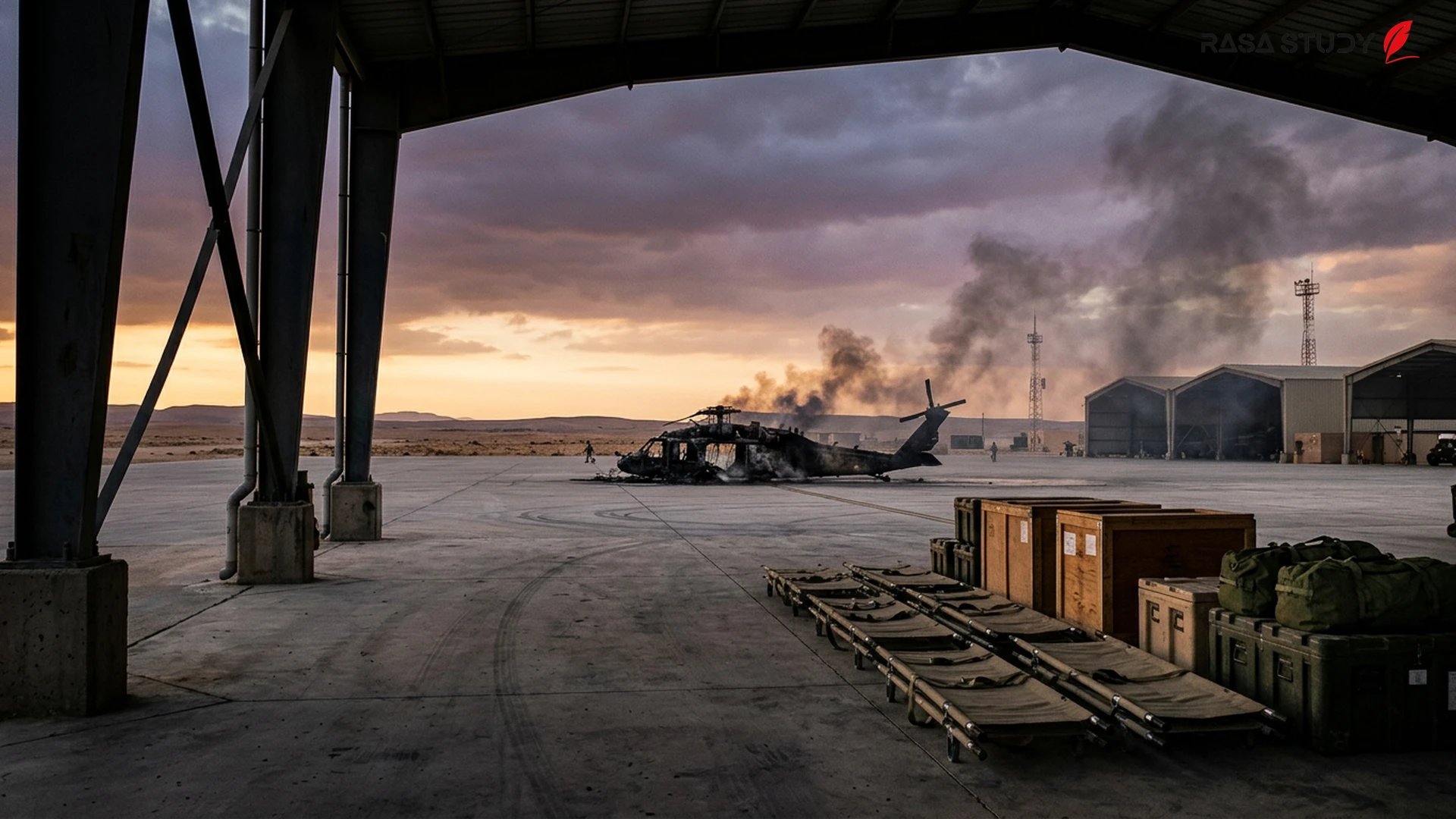
Mohsen Rezaei, senior advisor to the Supreme Leader, issued a blunt warning to the United States, stating that any violation of the recent memorandum of understanding would be met with a swift and devastating response. These remarks follow new US airstrikes on Iran's southern coast.
Tension in the Strait of Hormuz; Ceasefire on the Edge
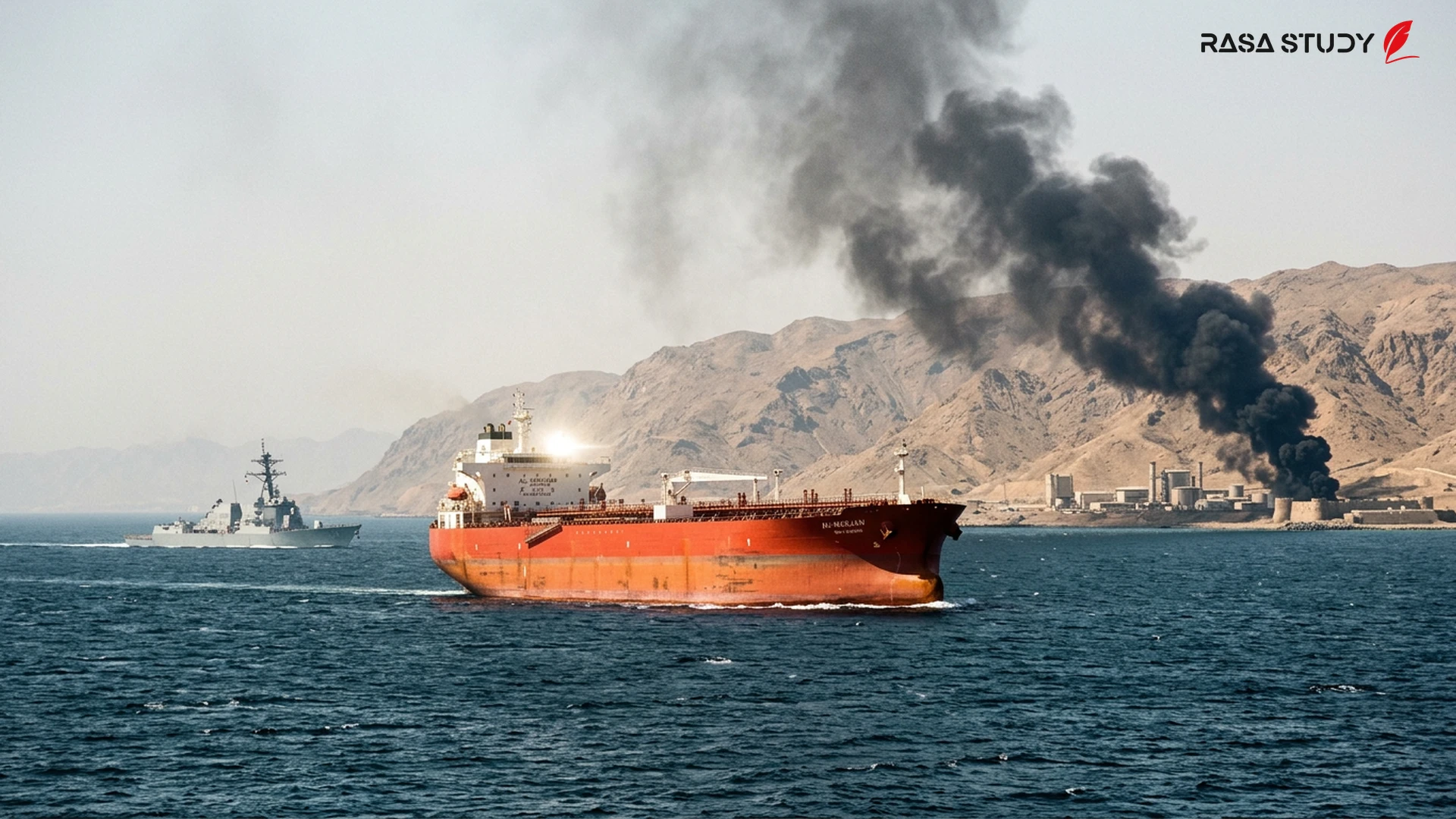
Today, June 28, 2026, the Middle East is once again witnessing an unprecedented escalation of tensions between Tehran and Washington. While only ten days have passed since the signing of the Memorandum of Understanding (MoU) to end four months of conflict, retaliatory attacks in the Strait of Hormuz have placed this fragile agreement on the brink of collapse [4]. Reports indicate that CENTCOM forces, in response to drone attacks on the tankers "Kiko" and "Ever Lovely," targeted several military objectives including surveillance infrastructure and air defense sites in the Sirik and Qeshm regions [2].
Direct Message from Mohsen Rezaei to the White House
Mohsen Rezaei, advisor to Ayatollah Mojtaba Khamenei and former commander of the IRGC, accused the United States of a clear violation of the memorandum in a sharp reaction to these attacks. In a message widely reflected in international media, Rezaei emphasized: "Any violation of the articles of the memorandum will be met with a swift and crushing response" [1]. He accused Washington of violating clauses 1 and 5 of the June 18 agreement by supporting proxy forces and creating tension in shipping lanes [1.3.2].
Trump's Threats and Iran's Missile Response
Simultaneously with these developments, US President Donald Trump has adopted a harsh tone against Tehran on social media. He warned that if Iran continues its attacks against US interests and its allies, Washington will "finish the job militarily," adding that in such a scenario, "the Islamic Republic will no longer exist" [1.4.3].
In response, the Islamic Revolutionary Guard Corps announced that it carried out joint missile and drone operations against US military bases in Kuwait and Bahrain in retaliation for recent US attacks on Iranian coastal facilities [3]. Bahraini officials, while condemning these attacks, called them a violation of their national sovereignty and requested the intervention of the UN Security Council [1.4.2].
Role of Mediators and the Future of Peace Talks
Despite the exchange of fire, diplomatic efforts continue behind the scenes. Countries such as Qatar and Pakistan, which facilitated this agreement, have called on both parties to activate the de-escalation mechanisms provided for in the memorandum [4]. However, with Hezbollah's rejection of the Lebanon peace deal and Israel's insistence on maintaining security zones in southern Lebanon, the outlook for achieving lasting stability in the region appears bleak [2]. Analysts believe the coming days will be vital for the survival of the June 2026 memorandum, and any miscalculation could return the region to a full-scale war.
Military tensions in the Strait of Hormuz have posed a serious challenge to the peace memorandum between Iran and the US.
linkSources
- Hamaney'in danışmanından ABD'ye sert mesaj — Ekonomim (2026-06-27)
- Violence, recriminations follow peace deal, US-Iran talks — Al Arabiya (2026-06-28)
- U.S. strikes targets in Iran as fresh clashes test ceasefire — Washington Post (2026-06-28)
- Truce tested - Newspaper — DAWN.COM (2026-06-28)