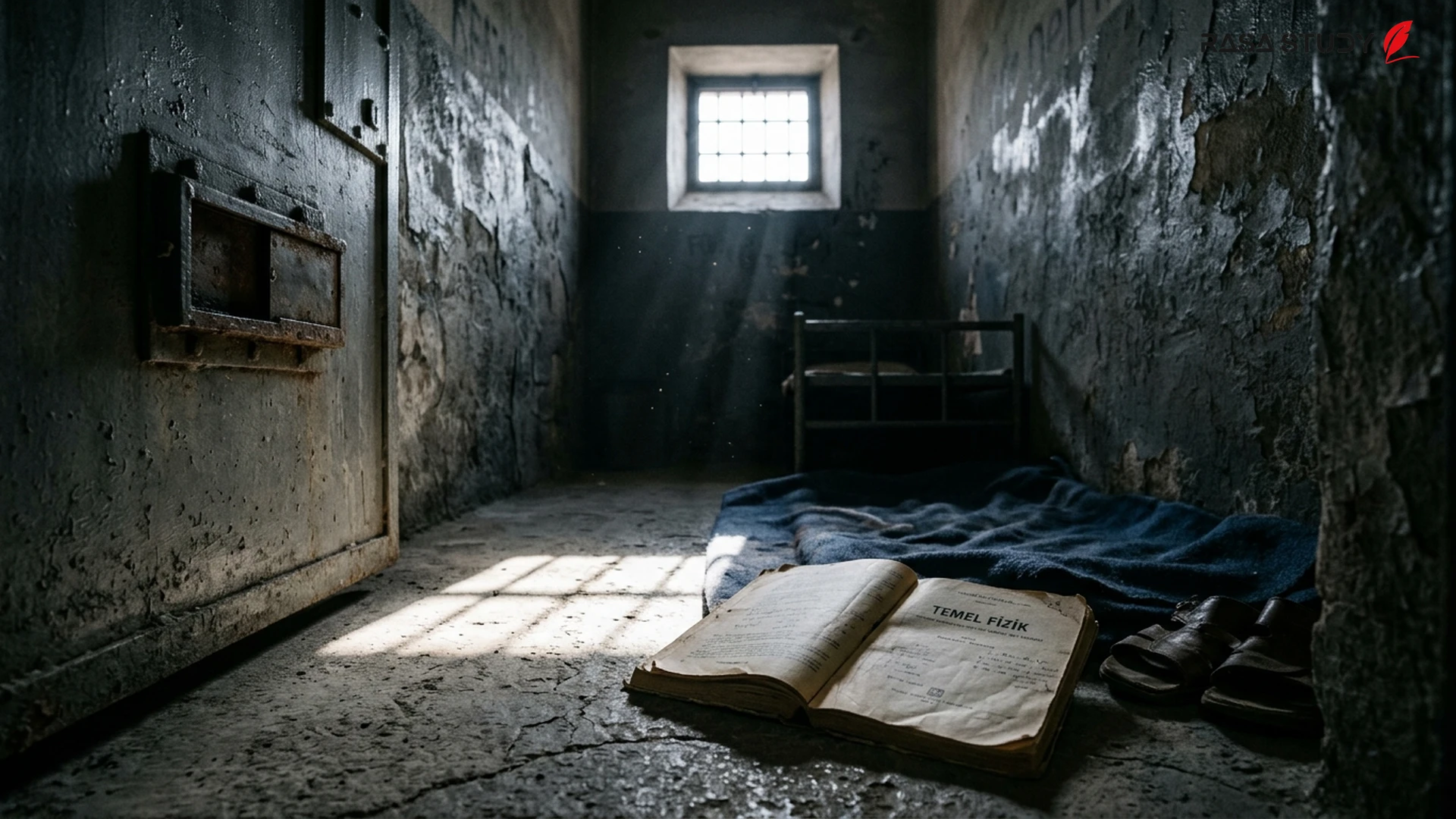
In June 2026, new reports from human rights organizations and the Bianet news agency indicate that despite legal guarantees, prisoners in Turkey still face severe obstacles to exercising their right to education.
Bianet Report: A Right That Stays Behind Bars On June 16, 2026, the Bianet news agency published an analytical report titled "Right to Education Beyond Walls," examining the critical state of education within the Turkish judicial system. The report emphasizes that education should not stop upon entering prison, but in practice, many prisoners are deprived of participating in university exams and accessing scientific resources [1]. This issue is not only an educational challenge but also a clear violation of human rights in 2026.
Main Obstacles: From Internet to Books According to recent findings, one of the greatest challenges is the lack of prisoner access to digital tools and the internet for distance learning courses. While Turkish universities have moved toward online systems, prison infrastructures continue to resist this change [2]. Furthermore, strict limitations are imposed on the entry of non-textbook books and even educational pamphlets, which, under the guise of security, hinder academic progress. The Constitutional Court of Turkey has recently ruled in some cases that these restrictions violate individual rights, but the implementation of these rulings at the prison level is slow [3].
Necessity of Structural Reforms Human rights activists believe that the rehabilitation of prisoners is impossible without education. June 2026 reports show that the recidivism rate among prisoners who successfully continued their education during incarceration is significantly lower. International bodies have called on the Turkish government to reform security protocols so that the right to education is not sacrificed for administrative strictness [2]. These reforms include providing suitable study environments, controlled access to scientific databases, and facilitating attendance at exam sessions.
Future Outlook With the publication of these reports, pressure on the Turkish Ministry of Justice to provide transparency regarding the educational status of prisoners has increased. The title "Right to Education Beyond Walls" has now become a slogan for civil campaigns demanding educational equality for all citizens, regardless of their freedom status [1]. It is expected that in the coming months, the Turkish Parliament will review a bill to revise the educational rights of prisoners to bridge the gap between laws on paper and the realities behind the walls.
The right to education is a fundamental human right that should not be ignored behind prison walls.
linkSources
- Duvarları aşan öğrenim hakkı: Mahpusların eğitime erişimi — Bianet (2026-06-14)
- Prisoners' Rights and Educational Barriers in Turkey 2026 Report — Human Rights Watch (2026-06-12)
- AYM Kararı: Cezaevlerinde Kitap Kısıtlaması Hak İhlalidir — Gazete Duvar (2026-06-15)