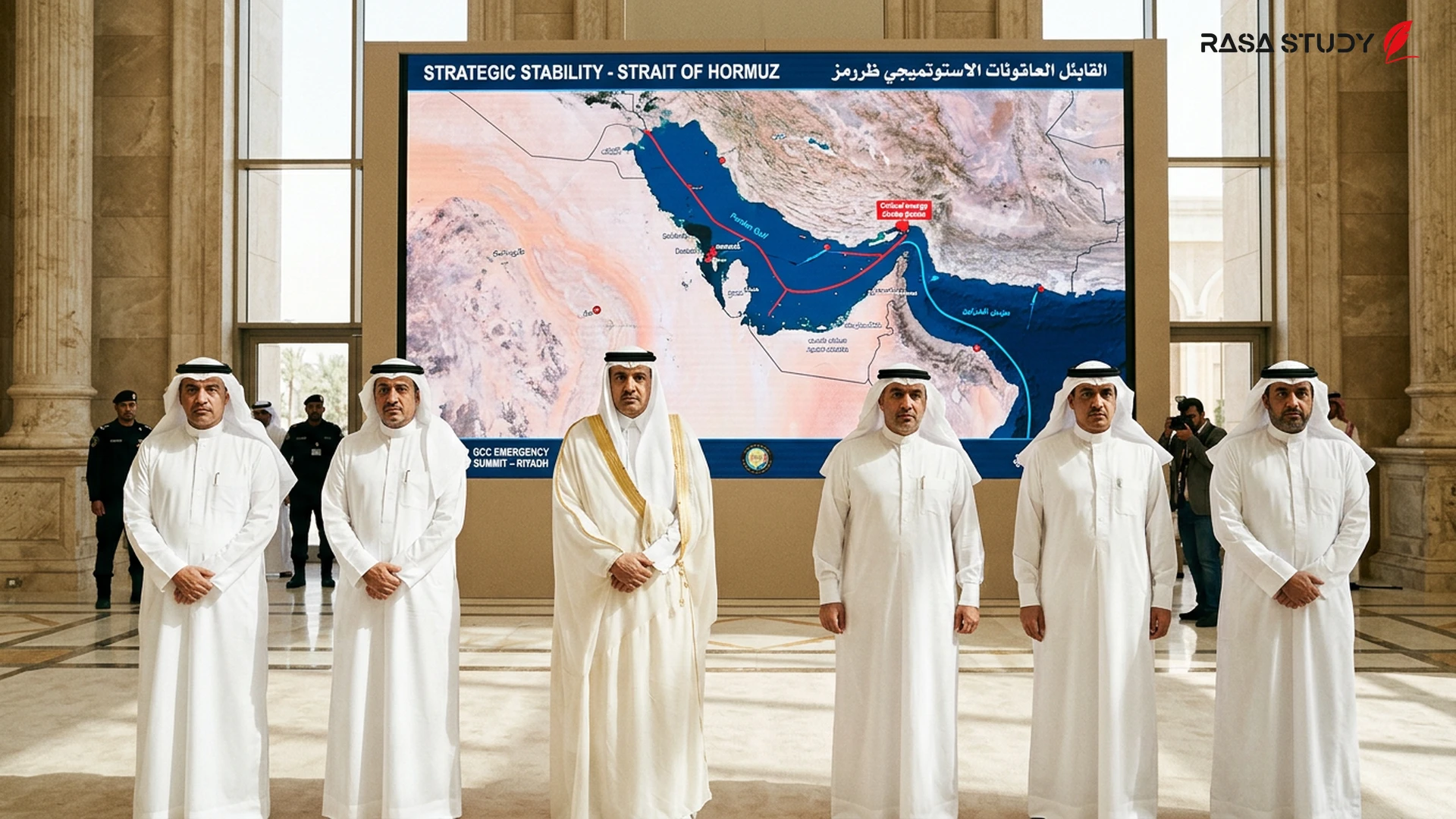
The Saudi capital yesterday witnessed one of the most sensitive diplomatic meetings of 2026. During this session, member states of the Gulf Cooperation Council (GCC) and their regional allies issued a joint statement warning against Iran's destabilizing actions.
Dimensions of the Emergency Summit in Riyadh On July 9, 2026, Riyadh hosted a summit that many analysts consider a turning point in regional security equations. This meeting took place as tensions between Iran and the regional coalition reached their highest level due to recent incidents in international waters [1]. Participants in this session, including foreign ministers of the Gulf Cooperation Council (GCC) member states and their strategic allies, emphasized the need for an immediate cessation of Tehran's provocative actions.
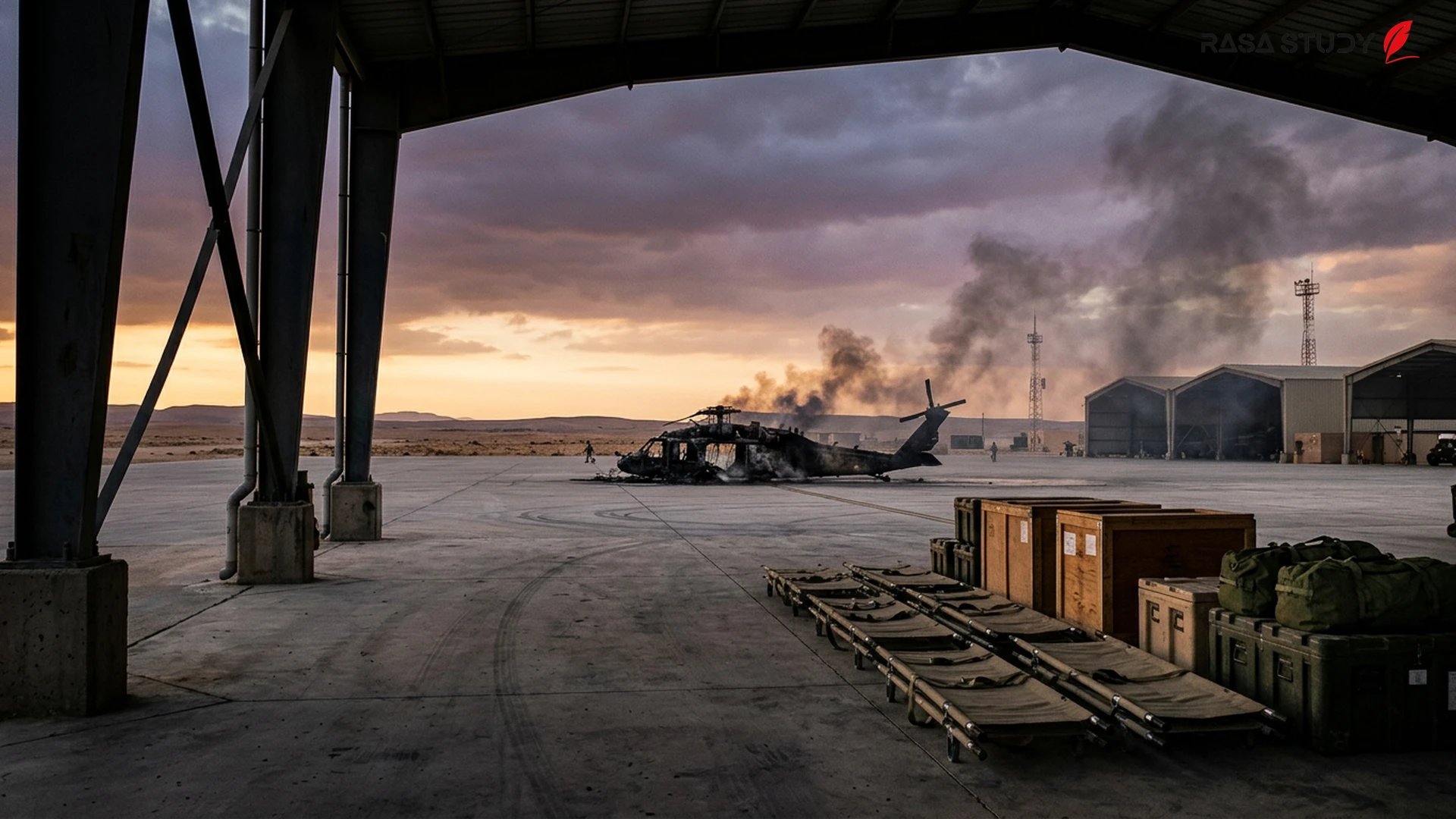
Maritime Security and the Tanker Crisis One of the main focuses of this summit was the strong condemnation of recent attacks on commercial tankers in the Strait of Hormuz. According to published reports, the tankers "Wadiyan," belonging to Saudi Arabia, and "Al-Rakiyat," belonging to Qatar, were targeted by drone and missile attacks [2]. The countries present at the Riyadh summit regarded these actions as a direct attack on global energy security and freedom of navigation. In the issued joint statement, Iran was held fully responsible for these attacks and the resulting economic and security consequences in global markets [4].
New Defense Doctrine: Indivisible Security During this summit, GCC members sent a clear message to Tehran: "The security of regional countries is indivisible." The statement emphasizes that any aggression against the sovereignty or interests of any member state will be considered an attack on all members [3]. This position, taken with reference to Article 51 of the United Nations Charter, reserves the right of individual and collective self-defense for these countries. This level of military and diplomatic coordination indicates the formation of a unified front against regional threats.
The Role of Resolution 2817 and International Diplomacy Participants in the Riyadh summit also called for the strict and full implementation of UN Security Council Resolution 2817. This resolution, passed in early 2026, emphasizes the necessity of stopping financial and weapons support to militia groups in the region [3]. Despite the sharp tone of the statement and military warnings, officials at the summit noted that a diplomatic solution remains the priority, but the precondition for any negotiation is a practical change in Tehran's behavior and respect for the principles of good neighborliness and non-interference in the internal affairs of countries [1]. This summit showed that the Middle East region has entered a new phase of active deterrence in the summer of 2026.
Meeting of foreign ministers in Riyadh resulting in a joint statement against Iran's destabilizing actions in the region.
linkSources
- Riyad'da Kritik Toplantı: İran'a Ortak Uyarı — Haber365 (2026-07-10)
- GCC Countries Strongly Condemn Iran's Attacks in Strait of Hormuz — Al Arabiya (2026-07-09)
- Joint Statement Issued by the Consultative Ministerial Meeting in Riyadh — Saudi Press Agency (2026-07-09)
- GCC states hold Iran responsible for maritime escalations — Qatar News Agency (2026-07-09)