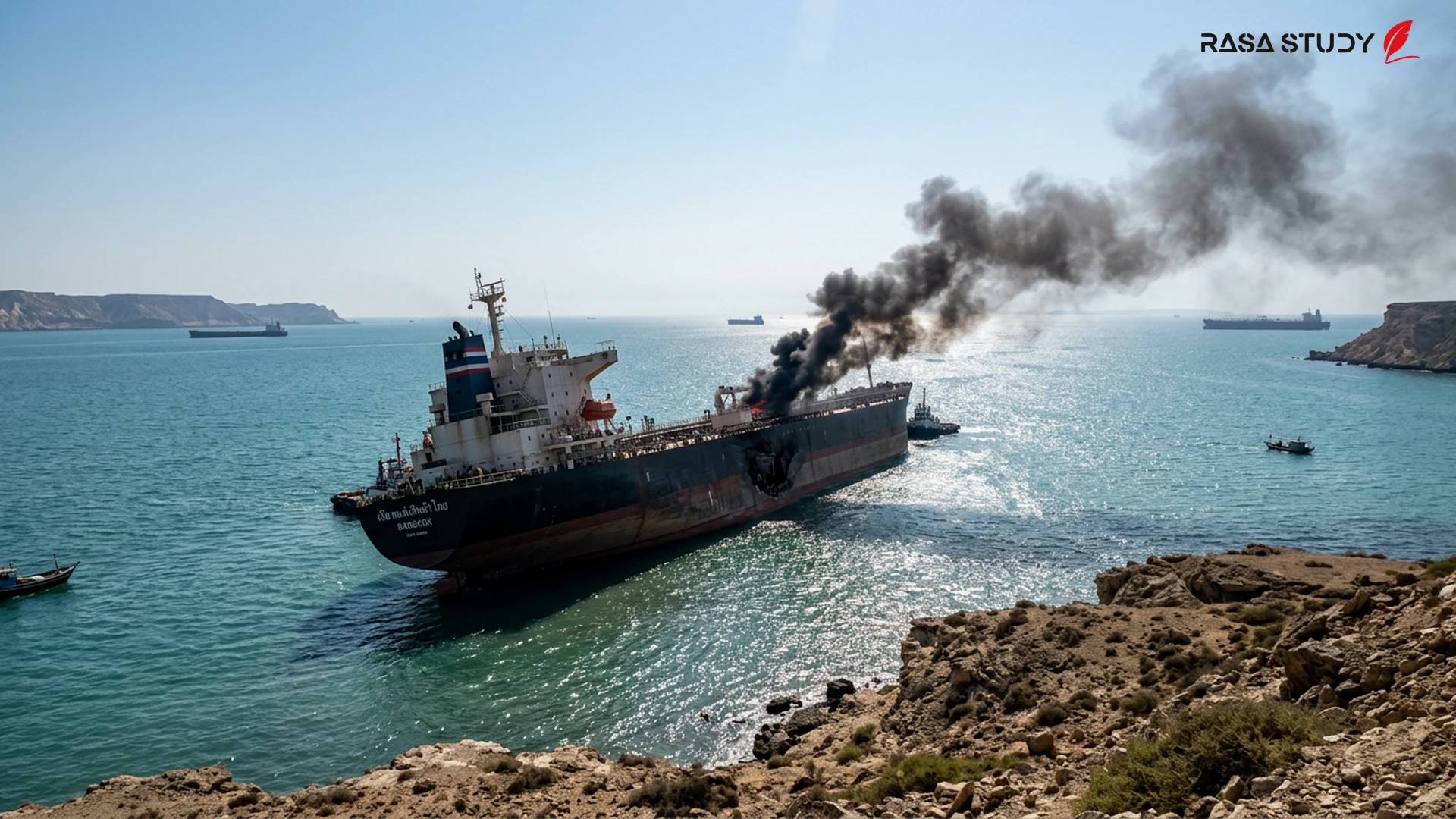
On July 18, 2026, credible reports indicate a severe security incident in the Strait of Hormuz. The naval forces of the Islamic Revolutionary Guard Corps (IRGC) targeted a Thai-flagged cargo ship due to what was called 'unauthorized passage.'
Details of the Attack on the Thai Ship in the Strait of Hormuz According to reports published by international news agencies and the newspaper 'Türkiye Gazetesi,' a Thai-flagged commercial vessel was targeted by Iranian naval forces while transiting the Strait of Hormuz [1]. The Tasnim News Agency, affiliated with Iranian military institutions, announced that the vessel was targeted for ignoring repeated warnings and attempting to pass through this strategic waterway without authorization [2]. Preliminary reports indicate that the ship sustained serious structural damage and has run aground near Qeshm Island.
Human Casualties and Crew Status Thai diplomatic and maritime sources have stated that the attack resulted in the deaths of at least three Thai sailors [3]. The Royal Thai Navy, while confirming the incident, has warned all its shipping operators to avoid entering the Strait of Hormuz until further notice. The United Kingdom Maritime Trade Operations (UKMTO) also issued a statement describing the risk level in the region as 'very severe' and urged passing vessels to exercise extreme caution [4].
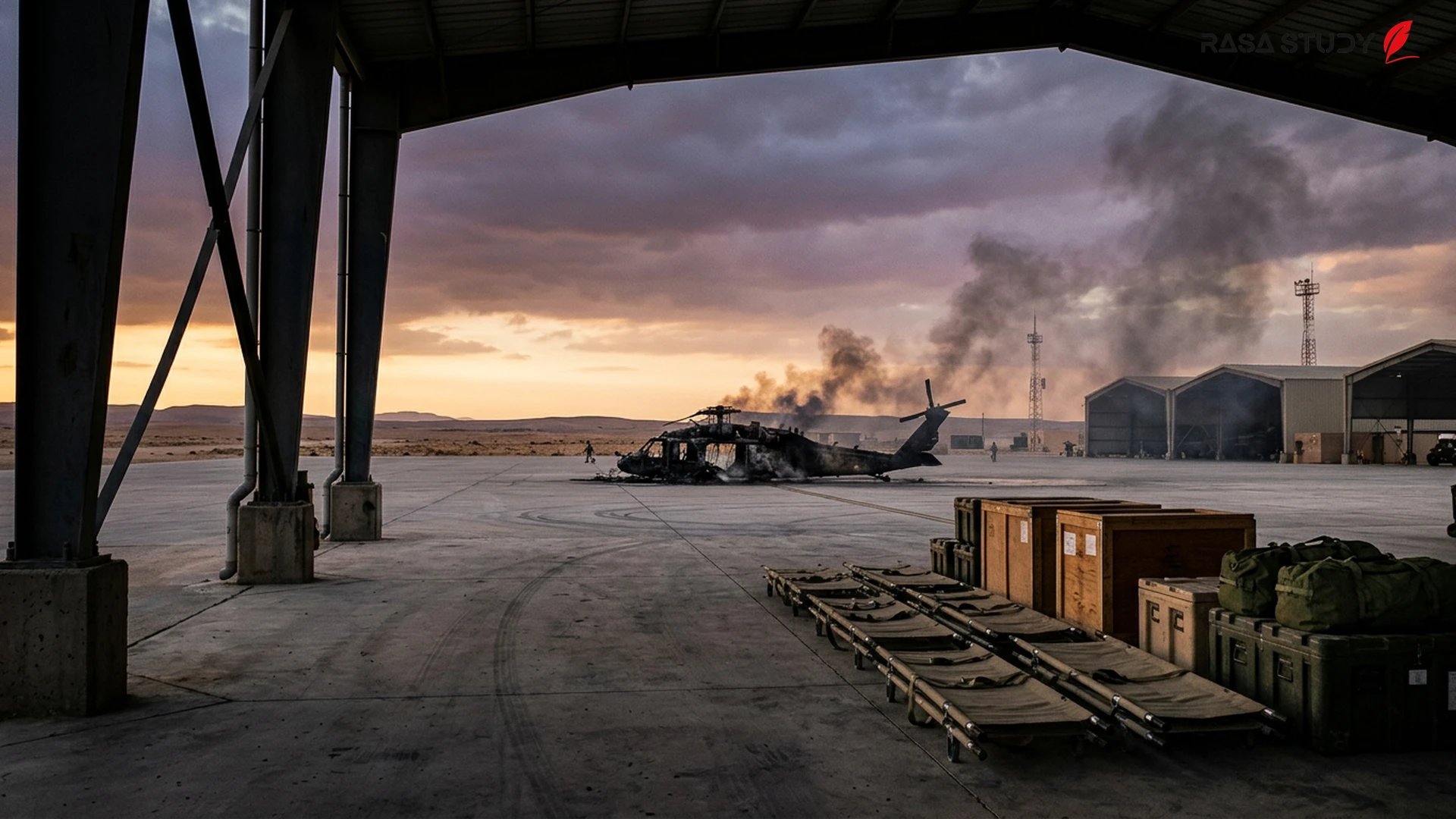
Escalation of Military Tensions Between Iran and the United States This incident occurs as military clashes between Iran and the United States, which began in February 2026, have intensified once again. Reports show that prior to this attack, CENTCOM forces had conducted strikes against Iranian surveillance infrastructure in the port of Chabahar [3]. In response to these actions, Iran has made maritime routes unsafe for vessels linked to American allies. This cycle of tensions has effectively destroyed the temporary ceasefire between the two sides, placing the region on the brink of a full-scale naval war.
Economic Consequences and Global Market Reaction The Strait of Hormuz is the transit route for more than 20% of the world's oil and liquefied natural gas, and any disruption immediately affects global markets. Following the news of the attack on the Thai ship, Brent crude oil prices saw an unprecedented jump to $126 per barrel [3]. Economic experts warn that the continuation of this situation could lead to a sharp increase in maritime insurance costs and disruption of the global energy supply chain. The International Maritime Organization (IMO) also condemned the recent attacks and called for restraint from all parties to protect the lives of seafarers.
Maritime tensions in the Strait of Hormuz reached their peak in July 2026.
linkSources
- Tayland bayraklı gemi Hürmüz'de vuruldu! — Türkiye Gazetesi (2026-07-17)
- Iran targets Thai-flagged vessel in Hormuz over unauthorized transit — Anadolu Agency (2026-07-17)
- Iranian forces reportedly attack a Thai-flagged vessel in the Strait of Hormuz — Nation Thailand (2026-07-18)
- Maritime Security Incident in the Strait of Hormuz, UKMTO Reports — WANA News Agency (2026-07-17)