US President Donald Trump officially announced in Ankara today, July 8, 2026, that the ceasefire with Iran has ended. These sharp remarks followed extensive US airstrikes on southern Iran and a retaliatory missile response from Tehran.
Official Announcement of the End of the Ceasefire in Ankara
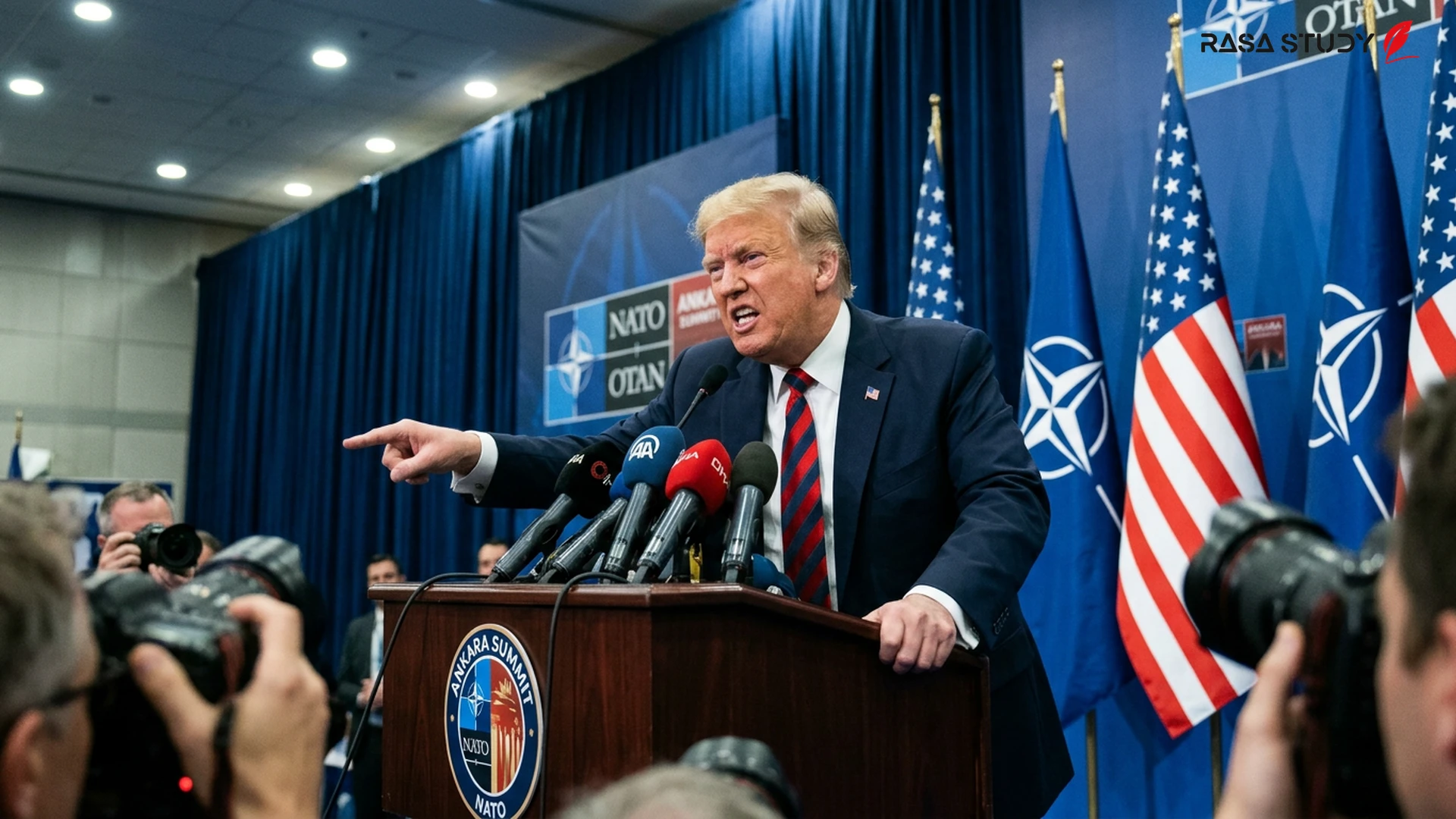
US President Donald Trump, in controversial remarks on Wednesday, July 8, 2026, on the sidelines of the NATO summit in Ankara, declared that the temporary ceasefire agreement with Iran is "over" in his view [1]. Speaking alongside NATO Secretary General Mark Rutte, Trump used a very sharp tone, calling Islamic Republic officials "evil," "liars," and "sick," adding that he no longer has any desire to continue negotiations with Tehran [5].
In response to reporters' questions about the status of the memorandum signed in June, he said: "I think everything is over. Making deals with them is just a waste of time. They are violent people who, if they had nuclear weapons, would certainly use them" [2]. These words were spoken as tensions in the Persian Gulf region reached their highest level in recent years.
Bloody Night in the Persian Gulf: Heavy Exchange of Fire
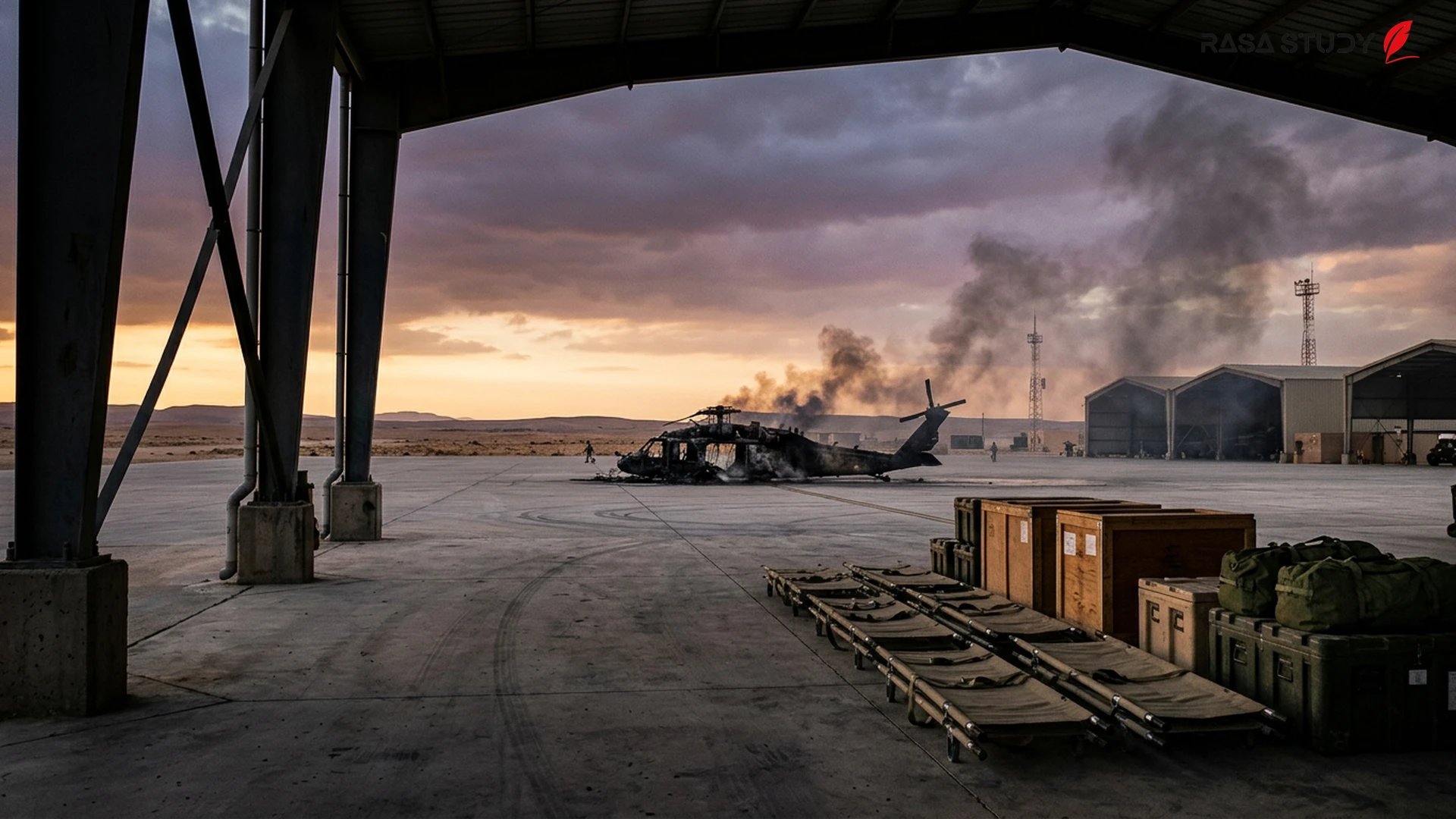
The announcement of the end of the ceasefire followed a night of extensive military operations. US Central Command (CENTCOM) announced that in response to Iranian attacks on three commercial ships in the Strait of Hormuz, it targeted more than 80 military targets inside Iranian territory, including in Bandar Abbas, Qeshm, Sirik, and Bushehr [4]. Reports indicate that radar infrastructure, missile platforms, and IRGC speedboats were the targets of these attacks.
In contrast, Iran's Revolutionary Guard (IRGC), confirming the martyrdom of one of its forces in Bandar Mahshahr, announced that in a retaliatory move, it targeted 85 positions belonging to the US military in Bahrain and Kuwait with missile and drone attacks [5]. Tehran officials accused Washington of effectively violating the war-ending memorandum and initiating a new round of conflict by restoring oil sanctions yesterday [4].
Turmoil in Global Markets and Oil Price Surge
Trump's remarks and the occurrence of direct military clashes immediately affected global energy markets. Brent crude oil prices jumped more than 5%, reaching above $79 per barrel [3]. Economic analysts warn that a potential closure of the Strait of Hormuz could lead to an unprecedented crisis in global energy supplies.
Simultaneously with these developments, stock markets in New York, Europe, and Asia faced a sharp decline. Investors worry that the collapse of the temporary ceasefire, which lasted less than three months, could push the region toward a full-scale war [3].
Rift in NATO and Trade Threat Against Spain
In another part of his speech in Ankara, Trump sharply criticized NATO allies for lack of sufficient support in the confrontation with Iran. He specifically targeted Spain, calling it a "terrible partner" that did not allow the use of its bases for attacks on Iran [1].
The US President claimed he had instructed his Treasury Secretary, Scott Bessent, to cut all trade relations with Madrid [2]. This sharp stance indicates a deep rift within the NATO alliance regarding the Iran crisis, while NATO Secretary General Mark Rutte attempted to portray the US military response as "absolutely necessary" [4].
Donald Trump, alongside the NATO Secretary General in Ankara, announced the end of the agreement's validity with Iran.
linkSources
- Trump says ceasefire with Iran is over, calling its leaders 'scum' — Washington Post (2026-07-08)
- ترامپ در اجلاس ناتو آتشبس با ایران را «پایان یافته» خواند — Radio Zamaneh (2026-07-08)
- Trump declares Iran peace deal over, sparking oil price surge — Pluang / Forbes (2026-07-08)
- Trump says interim deal with Iran to end war is 'over' — The National (2026-07-08)
- ترامپ: توافق آتشبس و تفاهم با ایران پایان یافته است — Al Arabiya (2026-07-08)