US President Donald Trump announced in controversial remarks that Congress is considering adding Iran and Lebanon's Hezbollah to the Russia sanctions bill; a move that could bring economic pressure on the Moscow-Tehran axis to a peak in 2026.
On July 14, 2026, Donald Trump announced to reporters at the White House that he expects Iran and the Lebanese group Hezbollah to be added to the Russia sanctions bill currently under consideration in Congress [1]. These remarks come as military tensions between Washington and Tehran in the Persian Gulf region have intensified sharply and previous diplomatic agreements have reached a deadlock.
Integration of Iran and Hezbollah Sanctions into the Russia Bill In his speech, Trump emphasized that adding Iran and Hezbollah to this bill is a major step toward coordinating international pressure against Moscow's allies. He noted that American lawmakers are seriously debating that any entity or country having economic cooperation with Hezbollah or Iran should be subject to the same heavy sanctions imposed against Russia [2]. The bill includes clauses for imposing secondary tariffs of up to 500% on countries that purchase energy from Russia or its allies [3].
Lindsey Graham's Legacy and Congressional Pressure The US President noted that this move is a form of tribute to the late Senator Lindsey Graham. Graham, who was a primary supporter of "bone-crushing" sanctions against Russia before his passing, always emphasized the need for a unified approach toward the Russia-Iran axis and proxy groups [1]. During a meeting with Iraqi Prime Minister Ali al-Zaidi, Trump stated: "Lindsey wanted this bill more than anything else, and now we are making it a reality" [2].
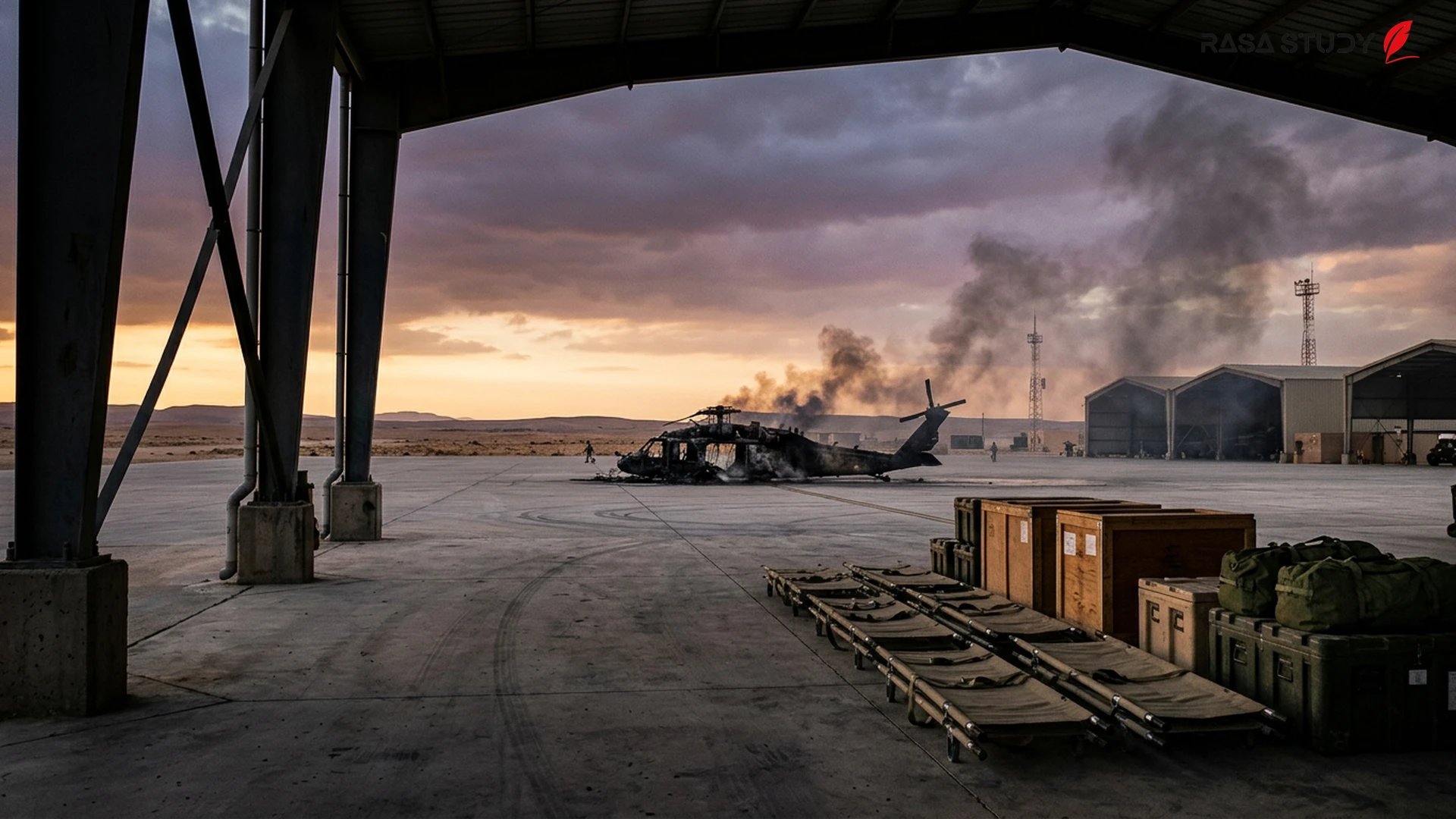
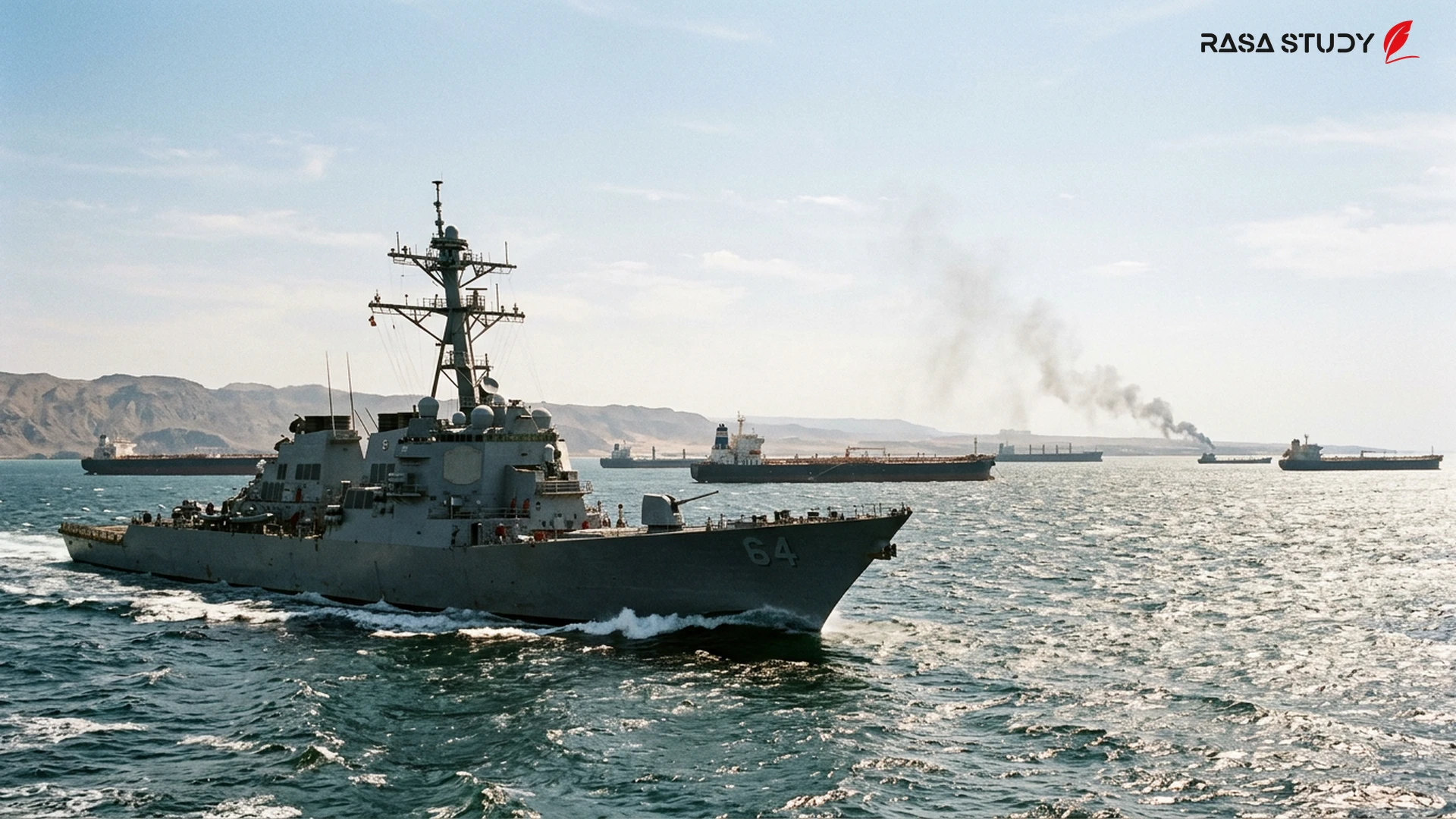
Failure of the Peace Agreement and Return of the Naval Blockade These diplomatic developments occur as the temporary peace agreement signed in June of this year has effectively collapsed. The United States resumed the naval blockade of Iranian ports starting at 4 PM on Tuesday [4]. Simultaneously, the US Central Command (CENTCOM) reported a new wave of airstrikes on Iranian military positions near the Strait of Hormuz. These strikes were aimed at reducing Tehran's ability to target commercial vessels [3]. Trump warned that if Iran does not return to the negotiating table, attacks on critical infrastructure, including bridges and power plants, will begin in the coming weeks.
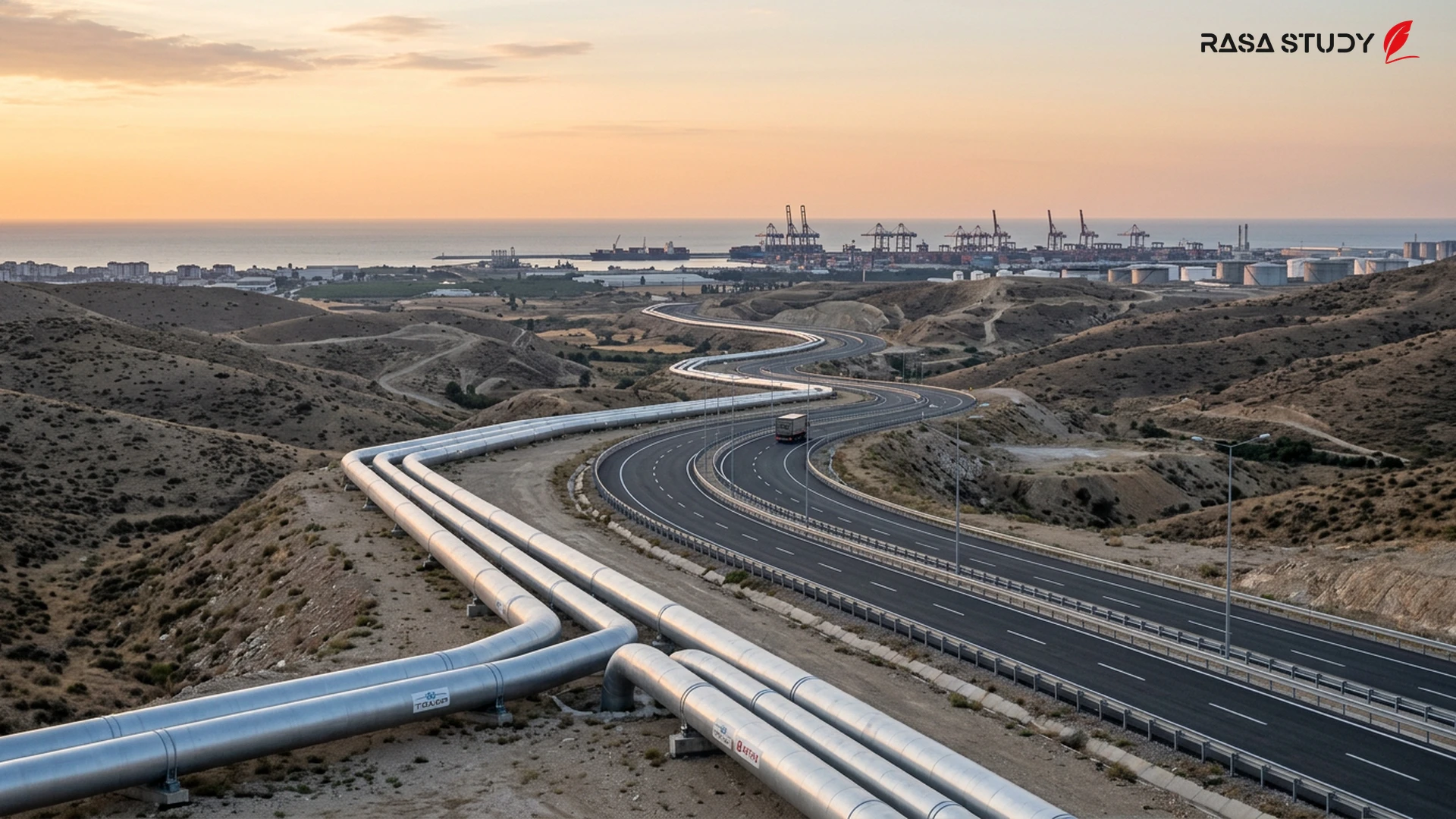
Economic and Strategic Consequences Adding Iran and Hezbollah to the Russia sanctions list not only doubles the pressure on the Iranian banking system but also places Lebanon's Hezbollah in an unprecedented financial squeeze. Trump also announced that instead of imposing transit fees in the Strait of Hormuz, he seeks to attract billions in investment from Gulf countries into the US economy to cover regional security costs [4]. Given the current situation, it appears Washington is pursuing a "Maximum Pressure 2.0" strategy by linking the Ukraine crisis to Middle East tensions.
US President Donald Trump announced the potential expansion of sanctions against Iran and Hezbollah on July 14, 2026.
linkSources
- Iran, Hezbollah may be added to Russia sanctions bill: Trump — DAWN (2026-07-14)
- Trump says Iran, Hezbollah likely to be added to Russia sanctions bill — Iran International (2026-07-14)
- US conducts new round of attacks against Iran, striking military targets — Fox News (2026-07-15)
- U.S. blockade of Iranian ports restarts as peace deal fails — CBS News (2026-07-15)