New reports indicate that Donald Trump’s aggressive policies against Iran in 2026 have reached a stalemate; a situation analysts describe as a transition from dreams of rapid collapse to the bitter realities of a war of attrition.
Stalemate in Washington's Strategic Calculations On June 14, 2026, regional media, including the Turkish newspaper "Yeni Akit," analyzed the complete failure of Donald Trump's objectives regarding Iran. According to these reports, Trump, who entered the fray promising to "zero out" Iran's missile, drone, and nuclear capabilities, is now facing a completely different reality [1]. Washington initially imagined it could follow the Venezuela model—applying maximum pressure and threatening rapid regime change—to force Tehran into submission within a short period. However, over time, it became clear that these notions were merely a "dream," and the reality on the ground more closely resembles the bitter and prolonged experience of Afghanistan [1][4].
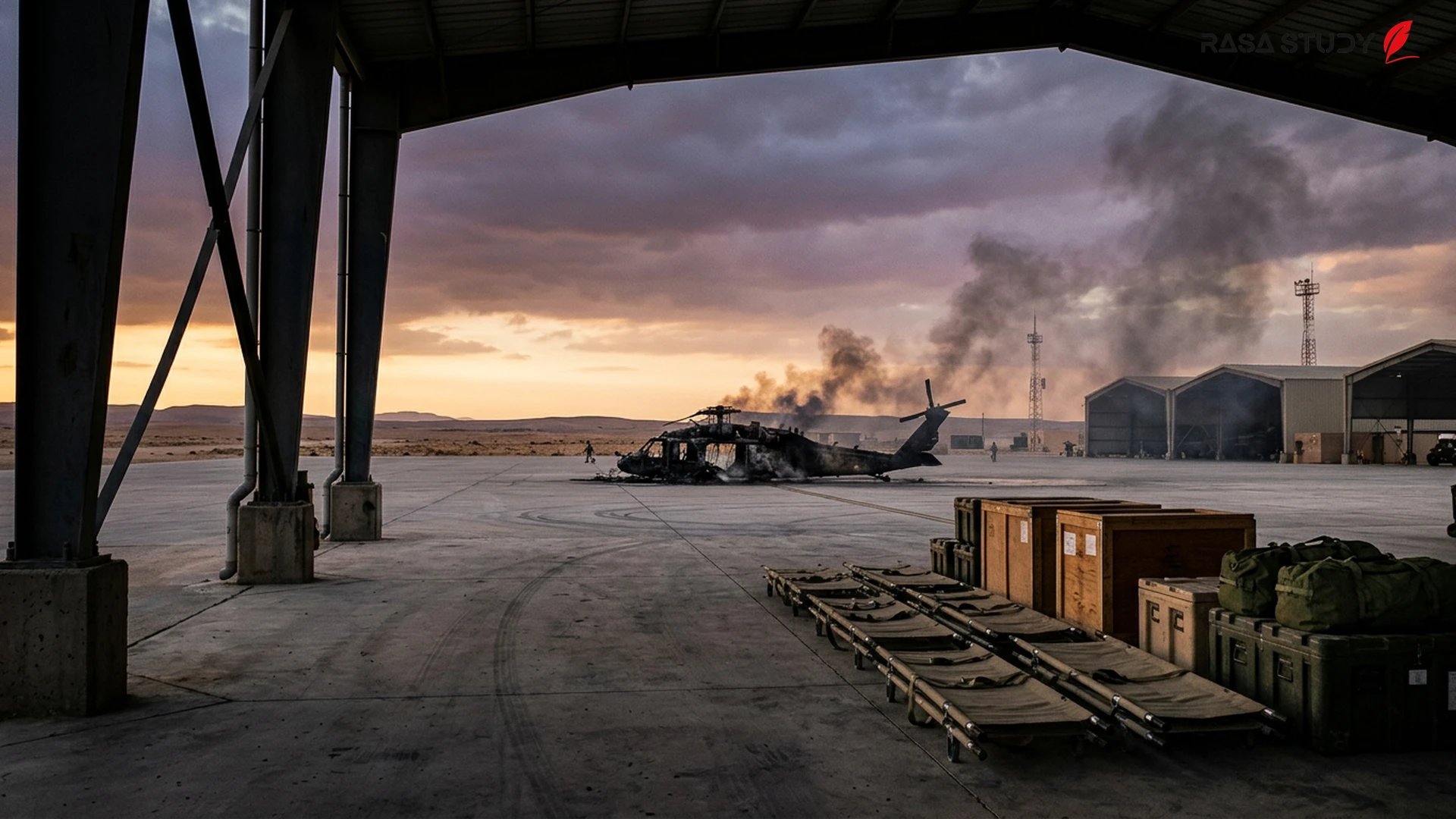
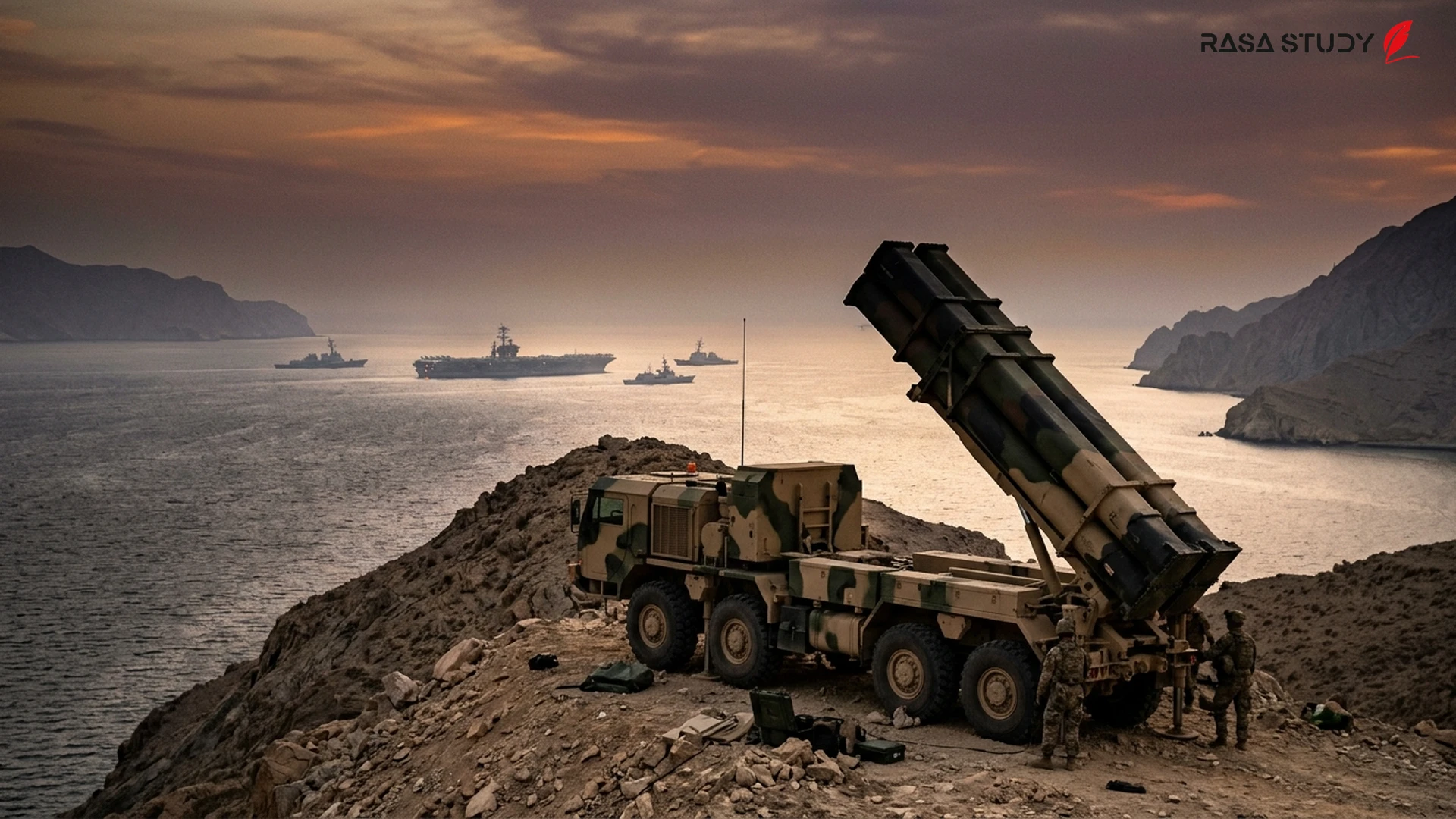
Field Realities and Iran's Defense Capabilities Military and intelligence analyses in June 2026 indicate that, contrary to White House claims regarding the destruction of Iran's military infrastructure, Tehran has maintained a large portion of its deterrent power. Reports from research institutions show that Iran has retained approximately 70 to 75 percent of its mobile missile launchers and ballistic missile stockpiles following recent conflicts [3]. Furthermore, Iran's control over the Strait of Hormuz and its drone capabilities have not only survived but are being used as tools to pressure the global economy and impose its conditions in negotiations [4]. This military resilience has presented Trump's strategy with a serious challenge, preventing him from achieving a "quick victory."
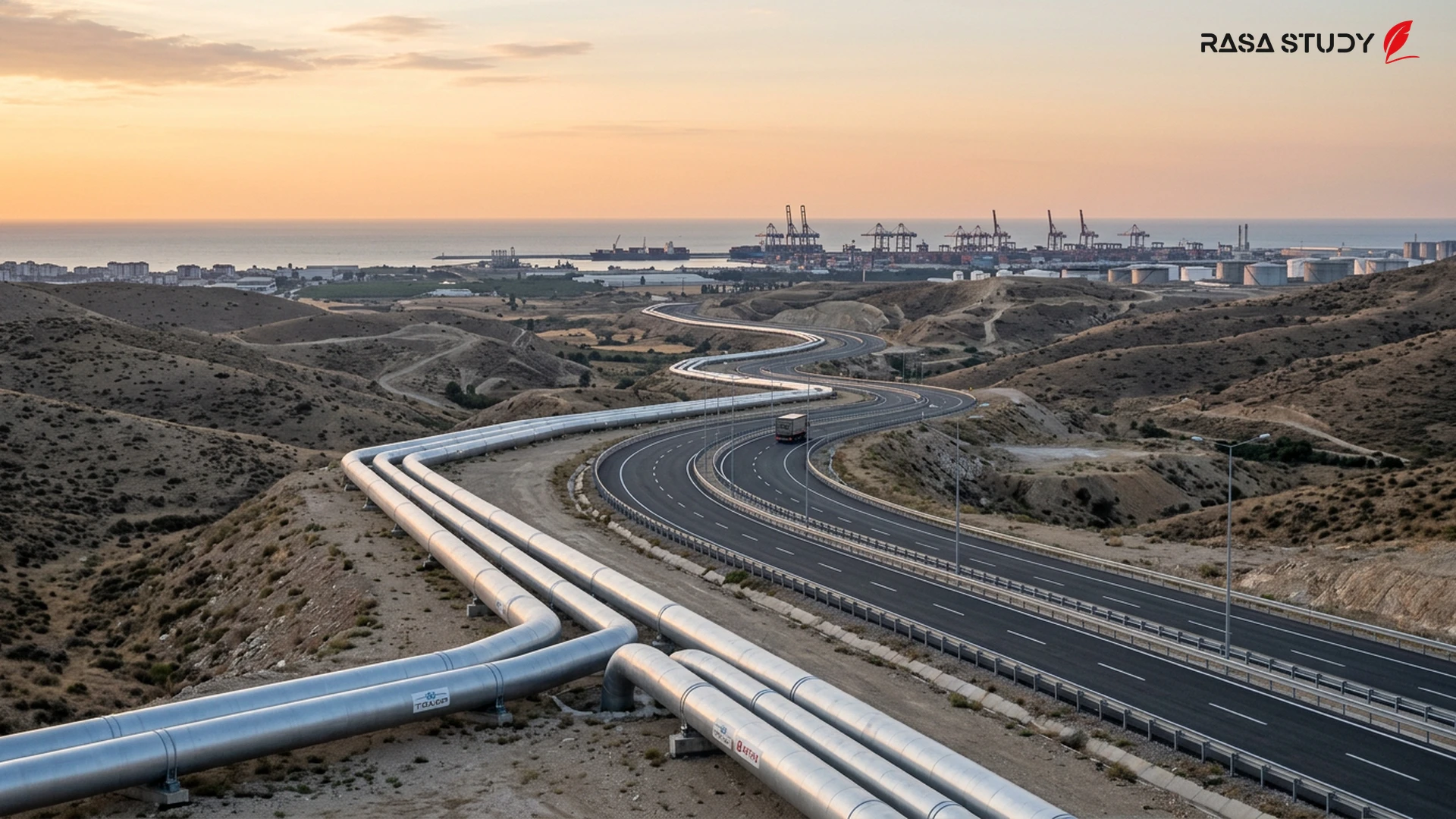
Empty Threats and Domestic Legitimacy Crisis While Trump has recently threatened to seize Kharg Island to control the energy market, many experts view these actions as a sign of Washington's desperation to escape the current deadlock [2]. This aggressive approach has not only faced international opposition but has also sparked a wave of dissatisfaction within the United States. Recent polls show that approximately 63 percent of Americans oppose Trump's management of the Iran crisis and believe he has failed in negotiations with Tehran [5]. Comparing the current situation to historical American failures in Iraq and Afghanistan has doubled the political pressure on the Trump administration.
Conclusion: A Legacy of Failure in 2026 Ultimately, what we are witnessing in mid-2026 is the collapse of the Maximum Pressure 2.0 doctrine. Trump, who sought a new and imposed agreement, is now forced to accept shaky ceasefires and memorandums of understanding that are miles away from his original goals [2][4]. By strengthening its regional position and maintaining strategic capabilities, Iran has shown that Washington's calculations regarding internal collapse or military surrender were incorrect. This situation has weakened the global standing of the United States and left the Middle East in a state of "no war, no peace," where Washington is not necessarily the final winner.
Analysts believe Trump has failed to achieve his goals for the complete disarmament of Iran in 2026.
linkSources
- Trump, İran’da hedeflediği hiçbir şeye ulaşamadı: Hayaller Venezuela gerçekler Afganistan! — Yeni Akit Gazetesi (2026-06-14)
- Will Trump “Finish the Job” in Iran? — Arab Center Washington DC (2026-06-12)
- The political consequences of the Iran war — Brookings Institution (2026-06-08)
- Hiç bir hedefine ulaşamayan Trump'tan İran'a yine kuru tehdit — Milli Gazete (2026-05-18)
- A new low for Trump approval on the economy and Iran war — Economist/YouGov (2026-06-09)