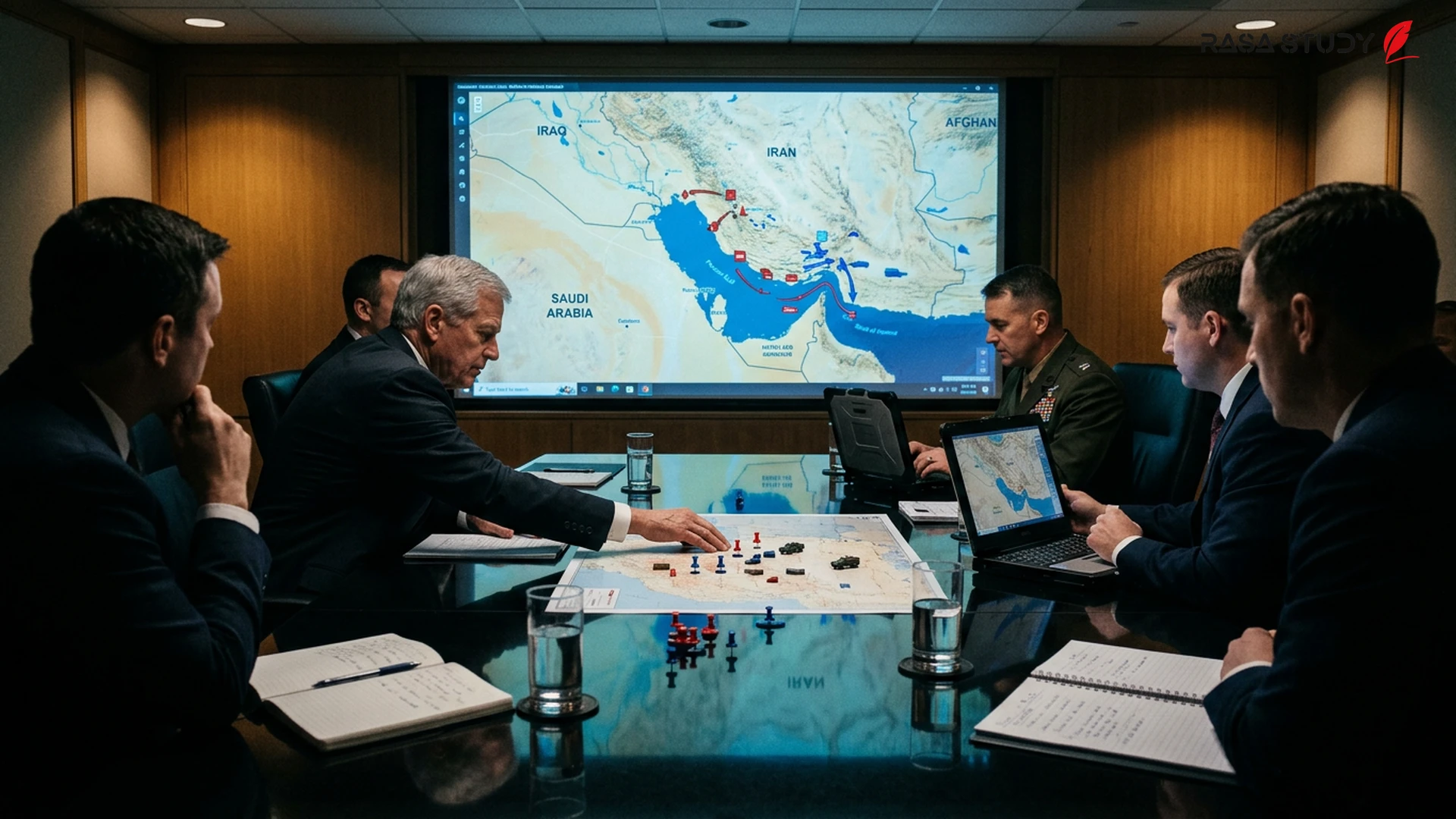
As July 2026 begins, diplomatic reports and media analyses indicate that Donald Trump is attempting to enter a new phase of indirect confrontation with Iran by seeking new allies in the Middle East.
As the world enters the second half of 2026, United States foreign policy is once again centered on Iran and reducing its regional influence. According to a recent report by CGTN Türk, Donald Trump is looking for a 'proxy' or leverage tool in the region to advance Washington's goals against Tehran without direct military conflict [1]. This approach, which some analysts call 'outsourcing tension,' is designed to reduce political and military costs for the United States.
Return to Maximum Pressure Doctrine 2.0 The Trump administration has launched extensive efforts in recent months to revive old alliances and shape new ties. Unlike previous periods, Washington is now looking for actors willing to play a more active role in containing Iran's regional influence [2]. This strategy includes strengthening the defensive capabilities of allies in the Persian Gulf and creating an integrated defense network managed regionally rather than necessarily under direct American command.
Searching for Proxy Allies in the Region Reports released in late June 2026 indicate that the White House is reassessing its relations with regional powers such as Turkey and certain Arab countries. The main goal is to find a government that can act as a mediator or a leading force in diplomatic and economic confrontations [1][3]. Analysts believe Trump intends to use economic levers to encourage these countries to take tougher stances against Tehran. This issue has also been reflected in recent Al Jazeera analyses, pointing to the challenges these countries face in accepting such a role [3].
Challenges Facing Washington Despite Trump's efforts, finding an effective 'tool' against Iran is not simple. Many countries in the region fear entering a full-scale direct or proxy confrontation due to economic dependencies and security considerations. Furthermore, geopolitical changes in 2026 and the strengthening of Iran's relations with Eastern powers have limited Washington's room for maneuver more than in the past [2]. However, Trump's insistence on this strategy demonstrates his determination to change the balance of power in the Middle East before the end of this calendar year.
Ultimately, it remains to be seen whether Washington can find a partner willing to bear the heavy costs of confrontation with Tehran, or if this 'search for a proxy' will only lead to new diplomatic deadlocks.
Analysts believe Trump is looking to outsource tension with Iran to regional allies in 2026.
linkSources
- Trump'ın İran'a karşı maşa arayışı: Yeni strateji — CGTN Türk (2026-07-01)
- US Foreign Policy in 2026: The Iran Dilemma — Reuters (2026-06-28)
- Middle East Alliances and the Trump Administration — Al Jazeera (2026-06-30)


