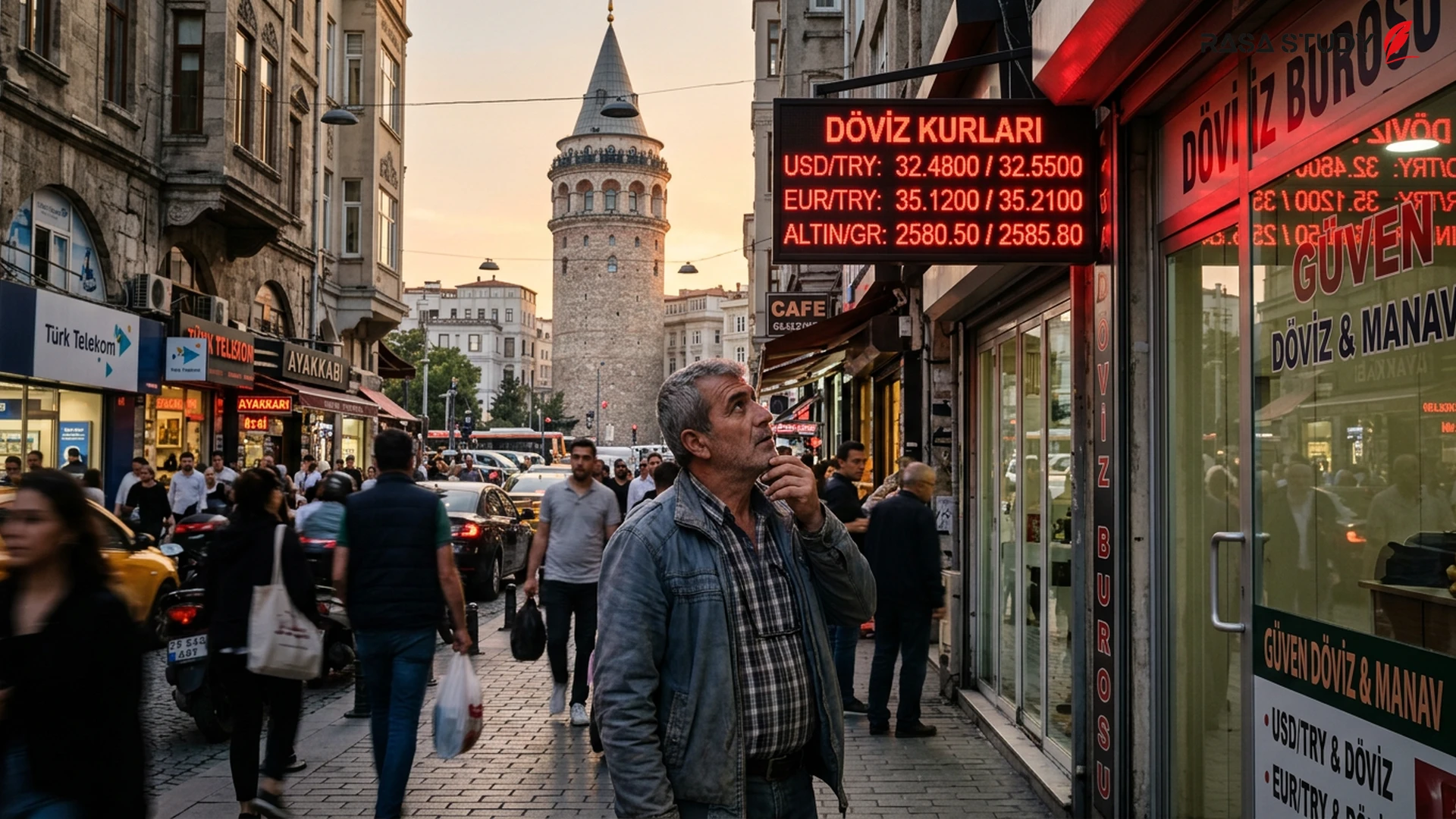
Amid ongoing inflationary pressures and severe economic volatility in Turkey, foreign currency prices on July 6, 2026, hit new historical highs, with the Lira weakening significantly against the Dollar and Euro.
Unprecedented Rise of Dollar and Euro Rates in the Istanbul Market According to reports published by reliable news sources including Eskisehir Haber, today, July 6, 2026, the exchange rates for Dollar-to-Lira and Euro-to-Lira recorded new highs on exchange office boards [1]. This price surge, which began in the early hours of market opening, indicates continued instability in monetary policies and increasing pressures on Turkey's macroeconomy. Market analysts believe these severe fluctuations stem from investor uncertainty regarding medium-term economic plans and the depletion of foreign exchange reserves [2].
Economic Roots of Lira Weakening in 2026 The fall of the Lira's value in July 2026 is not just a passing event but is rooted in chronic inflation rates and interest rate policies that have failed to halt the currency's depreciation in recent months [3]. Despite the Central Bank's efforts to intervene in the market and inject liquidity, demand for foreign currencies by citizens and private companies to preserve asset value has increased sharply. This situation has made the gap between the official Central Bank rate and the free market rate in Istanbul more apparent than ever [1].
Consequences of Currency Price Increases on Livelihood and Industry The rise in the Dollar price has directly impacted import costs, especially in strategic sectors such as energy, transportation, and industrial raw materials. This has led to a new wave of price hikes in basic goods and services, placing additional pressure on the livelihoods of Turkish households [2]. Economic experts warn that if the current trend is not controlled, the inflation rate could reach more critical levels in the second half of 2026, which will be difficult for the government to manage.
Market Reactions and Future Outlook In response to these developments, Turkish economic officials have emphasized the need for structural reforms and adherence to fiscal discipline, but markets continue to view these promises with skepticism [3]. While some traders expect the Central Bank to aggressively raise interest rates in its next meeting, others believe that without attracting direct foreign investment and improving the trade balance, sustainable stability in the currency market will remain out of reach. Volatility is expected to continue in the coming days given the monthly inflation data [1].
Severe currency fluctuations and new records in the Istanbul free market, July 6, 2026.
linkSources
- 6 Temmuz Döviz Fiyatları Yeniden Tarihi Zirvelere Tırmandı! — eskisehirhaber.com (2026-07-06)
- Turkish Lira hits new record low against US Dollar — Reuters (2026-07-06)
- Döviz Kurlarında Hareketli Gün: Temmuz 2026 Verileri — Bloomberg HT (2026-07-06)