While Turkey's exports hit a historic record of $25 billion in June 2026, new reports indicate that a significant portion of the foreign exchange revenue from transporting these goods is being captured by Iranian companies due to fuel price advantages.
Record Turkish Exports Amidst Logistical Challenges According to the latest data released in July 2026, Turkey's exports in June grew by 21.9% compared to the previous year, approaching an unprecedented $25 billion [2]. Ömer Bolat, the Turkish Minister of Trade, announced that the country's total exports of goods and services in the year ending June 2026 exceeded $400 billion for the first time [5]. However, despite this commercial success, a major paradox exists in the logistics sector: Turkey produces and exports the goods, but the international freight income flows into the pockets of the Iranian fleet [1].
Why Did Iran Win the Transport Market? An analytical report by the economic newspaper Dünya Gazetesi on July 8, 2026, clearly points out that the Iranian transport fleet has been able to offer more competitive prices to exporters due to access to low-cost fuel [1]. This has made it more cost-effective for merchants to use Iranian trucks even for moving Turkish goods to Central Asian countries and the Persian Gulf region. In effect, Turkey holds the production market, but the value chain in distribution and logistics leans heavily in favor of its regional rival.
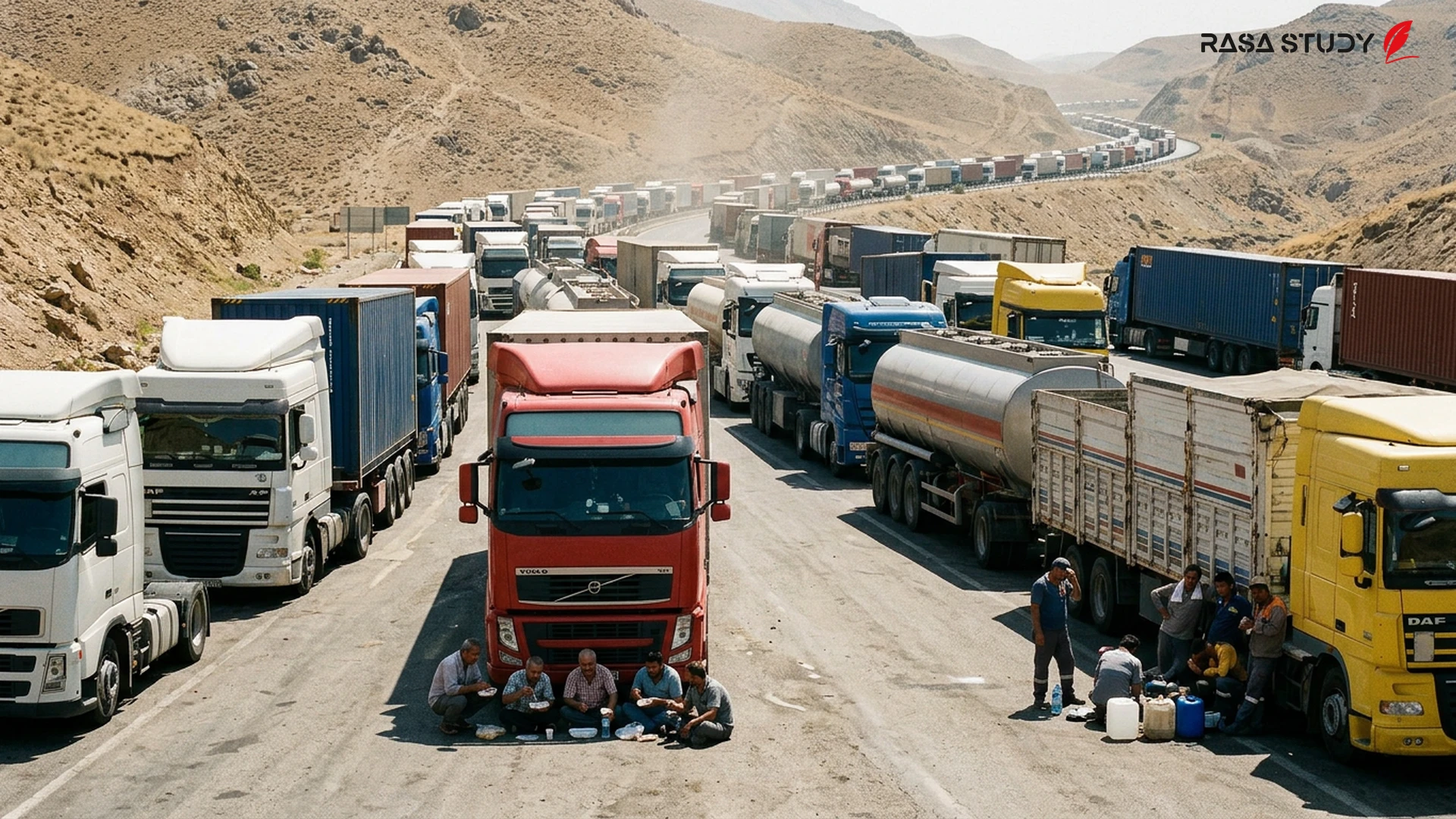
The Knot at the Bazargan Border and Long Queues The situation at the land borders between the two countries, particularly the Gürbulak-Bazargan border, has reached a critical stage. Reports indicate that more than 3,700 trucks are trapped in long queues in the extreme summer heat, with waiting times to cross the border reaching 28 days [3]. These long delays have not only increased logistical costs for Turkish companies but have also forced many exporters to turn to the Iranian fleet, which enjoys specific crossing priorities [4].
The Turkish Transport Association's 12-Point Demand from Iran In response to this situation, the International Transporters Association of Turkey (UND) presented a 12-point proposal package during an emergency meeting with Iranian delegations [4]. The most important demands from the Turkish side include: - Abolishing the prioritization of Iranian license plates at border crossings and implementing the "First In, First Out" principle. - Reforming fuel prices for Turkish transit trucks within Iranian territory. - Eliminating additional costs such as X-ray fees and road tolls at the Bazargan border. - Facilitating customs permits and removing unauthorized intermediaries in border operations [3].
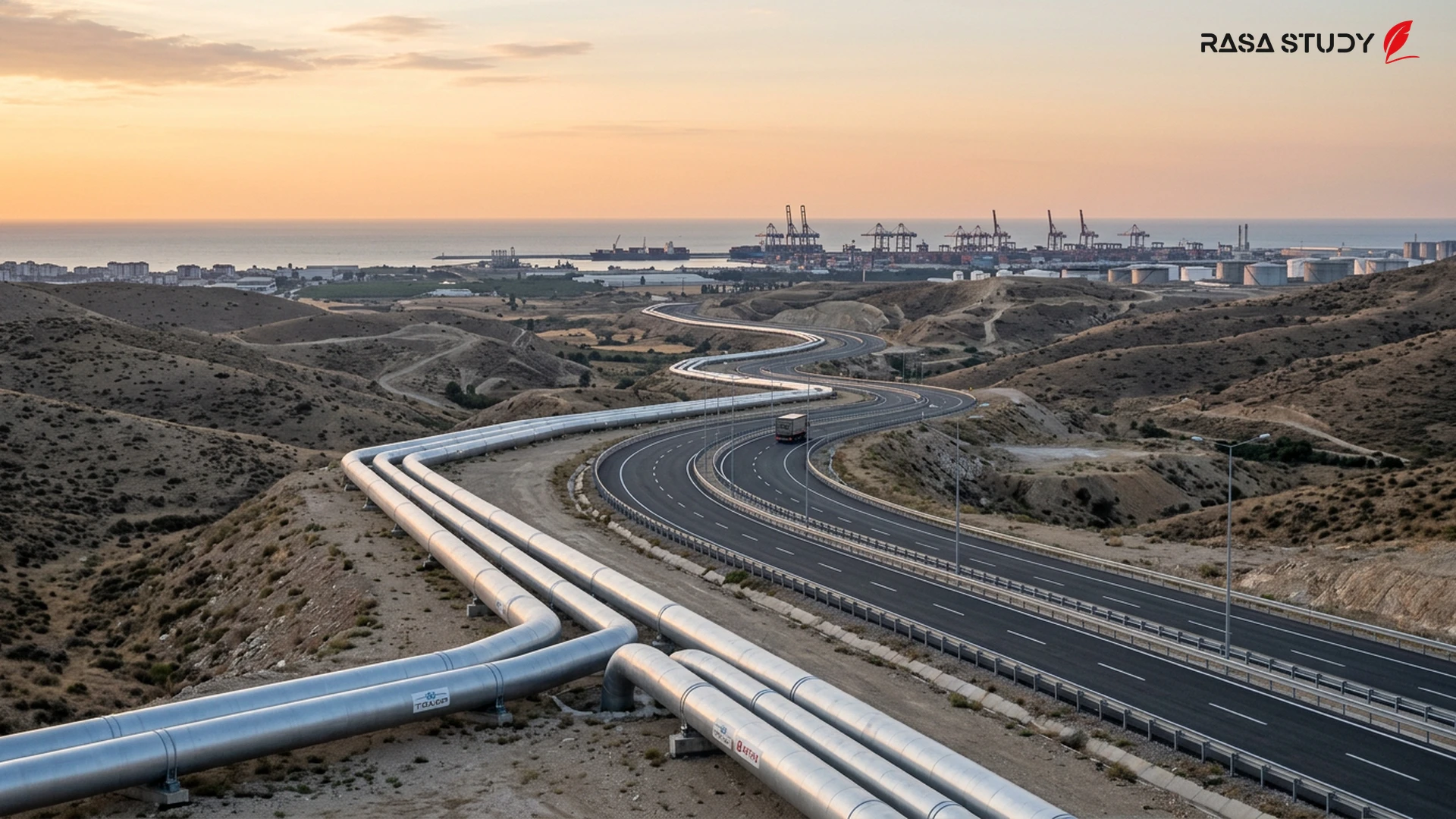
Outlook for Competition in Regional Corridors Experts believe that if Turkey cannot manage its logistical costs, a large portion of the $30 billion bilateral trade target will be overshadowed. While alternative corridors like the "Middle Corridor" and the "Development Road" are taking shape, the current competition over transport revenue shows that border infrastructure and transport diplomacy have become as vital as commodity production in the 2026 economy [1][4].
More than 3,700 trucks are waiting at the Iran-Turkey borders; a crisis that has shifted regional logistics revenue.
linkSources
- İhracatı Türkiye yaptı, navlunu İran kaptı! — Dünya Gazetesi (2026-07-08)
- Haziran İhracatı 25 Milyar Doları Buldu — Anadolu Agency (2026-07-03)
- Thousands of trucks stranded in growing queues at Türkiye-Iran border — Türkiye Today (2026-06-29)
- UND, İran Ticaret ve Taşımacılık Temsilcileriyle 12 Maddelik Çözüm Paketini Paylaştı — UND (2026-07-05)