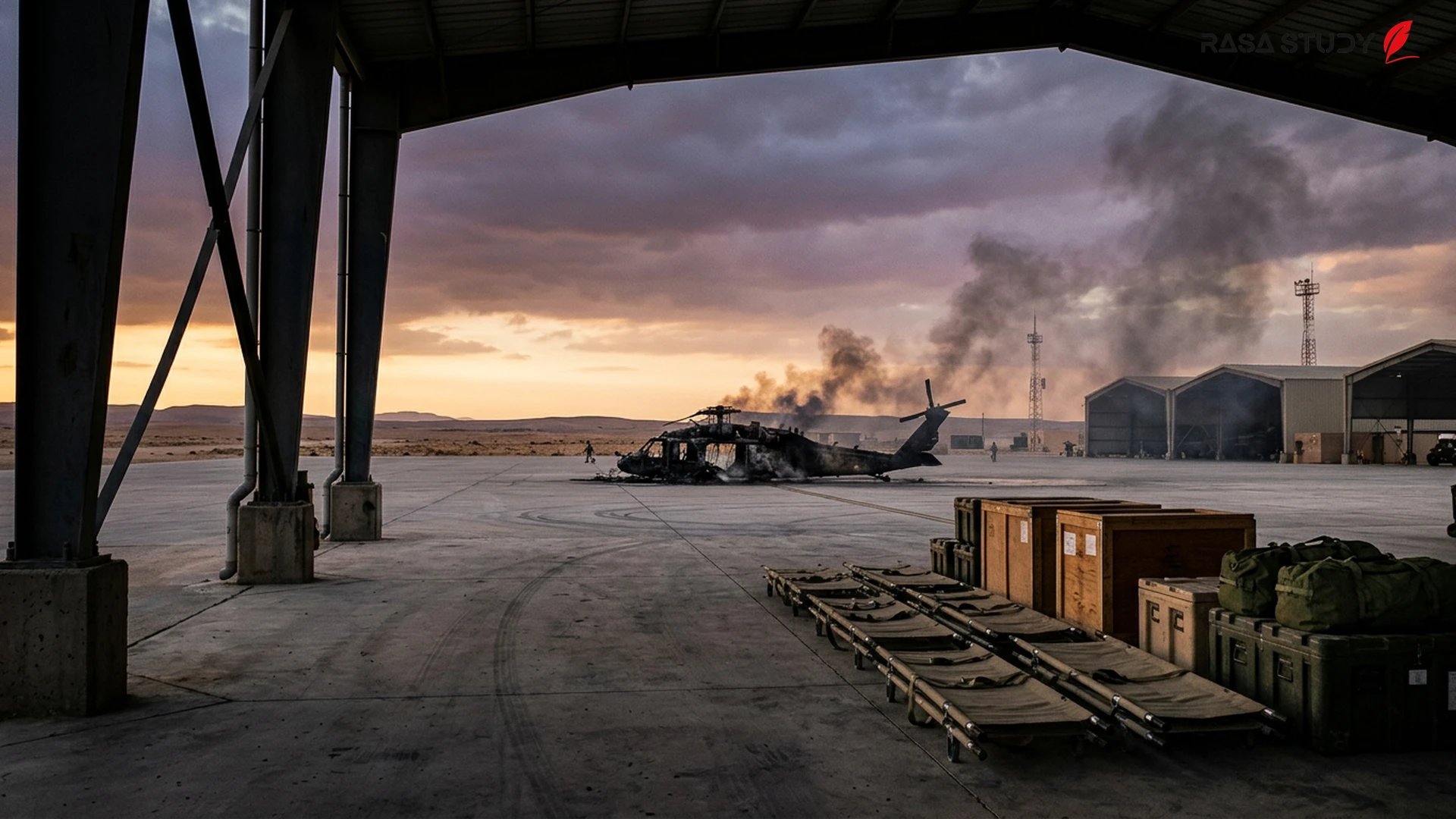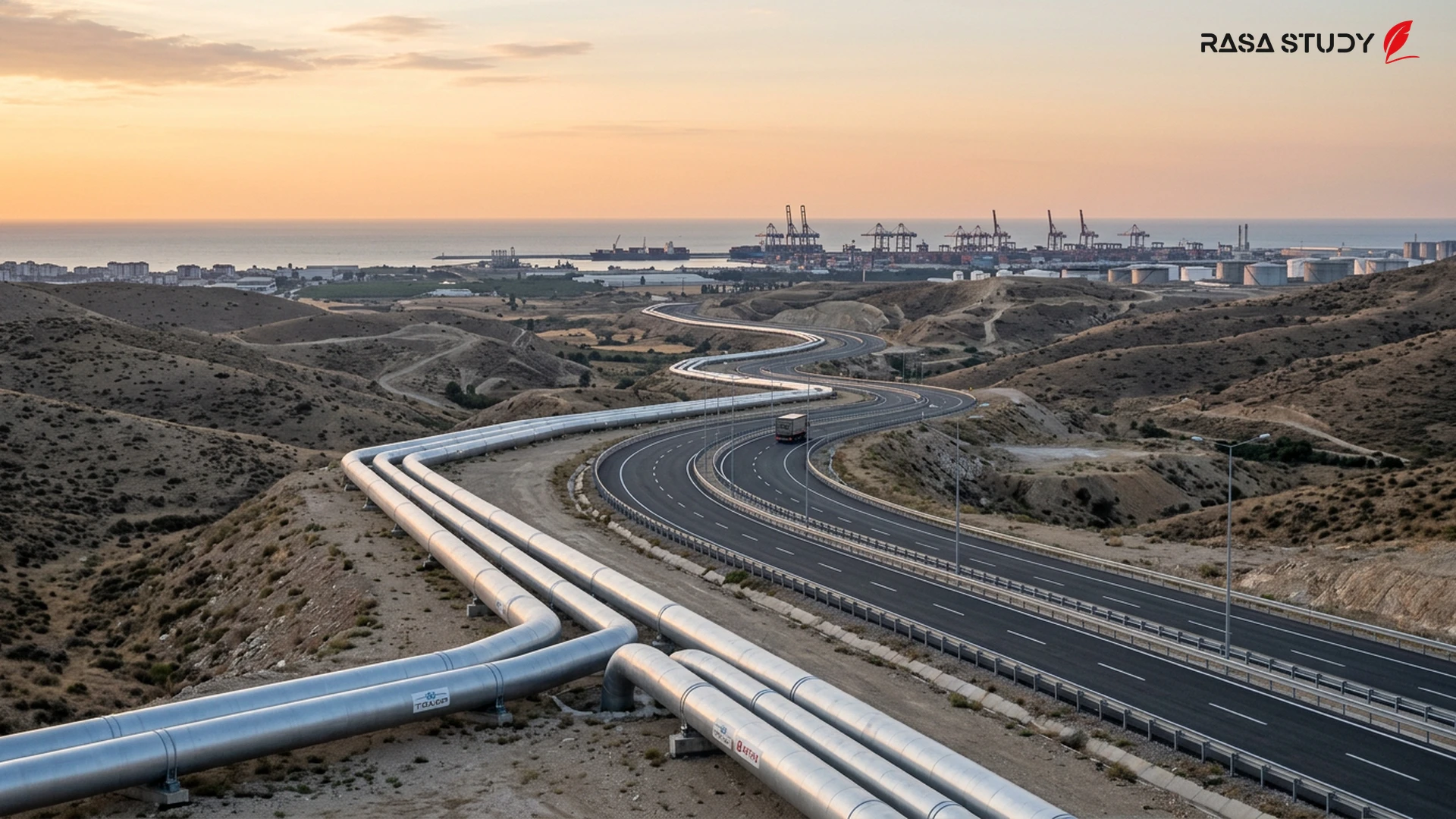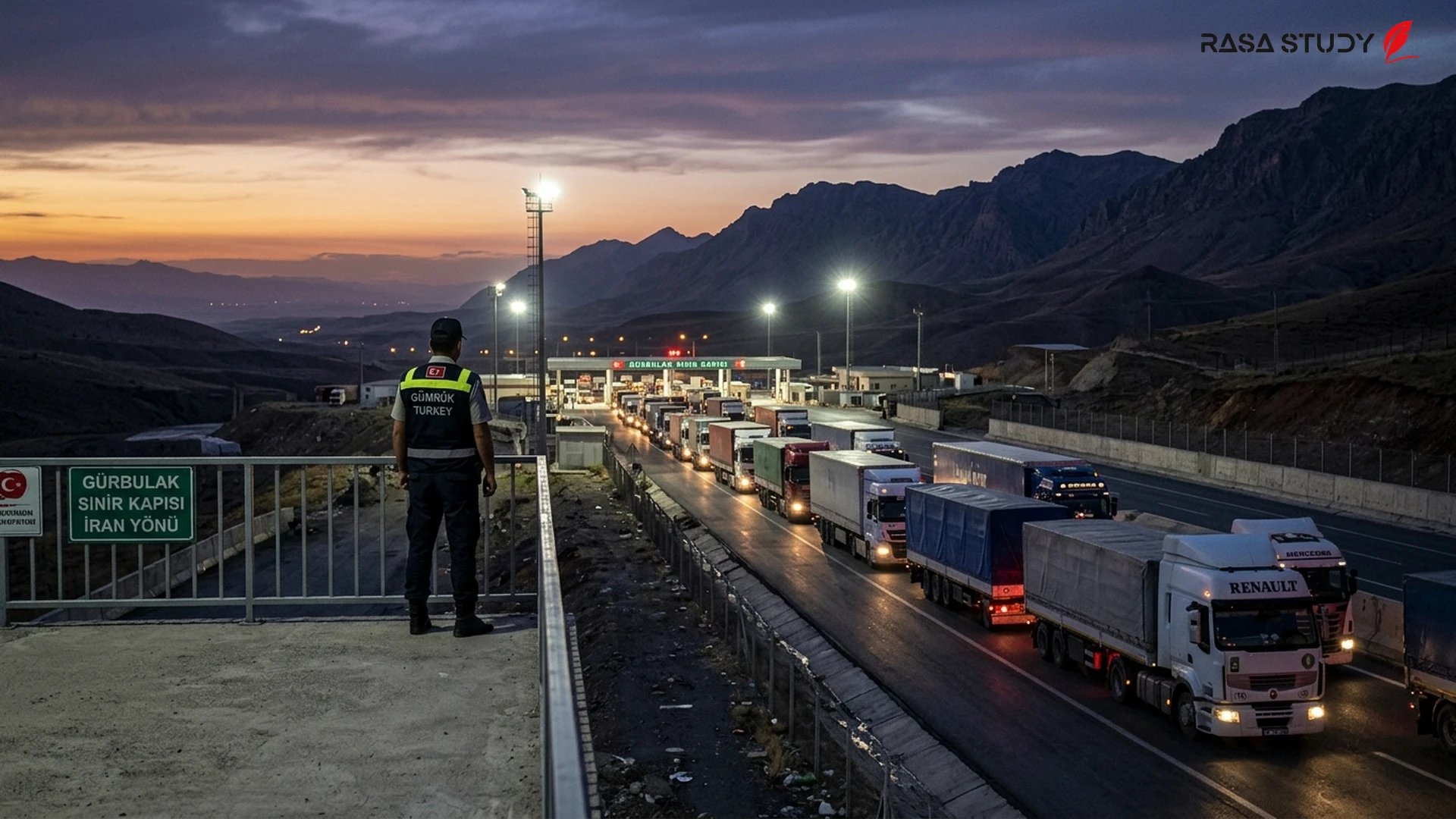
Prominent analyst Dr. İkbal Dürre believes Turkey prepared for current conditions by accurately predicting ongoing tensions. He emphasized that regional stability now depends on Iran's internal and diplomatic developments.
As of today, June 14, 2026, while the Middle East stands on the brink of a potential historic agreement between Iran and the United States, strategic analyses are focused on the pivotal role of regional powers. Dr. İkbal Dürre, professor of international relations and regional expert, stated in an interview with Rudaw News Network that the Turkish government had long predicted these crises and geopolitical shifts [1]. According to him, Ankara's readiness to face various scenarios is the result of a long-term strategy to preserve national interests amidst great power conflicts.
Ankara's Strategic Foresight in the 2026 Crisis Dr. Dürre believes that Turkey was not only unsurprised but had planned in advance for the shift in the balance of power between Iran, Israel, and the West. While intense military tensions have gripped the region in recent months, Ankara sought to avoid becoming part of a direct conflict by adopting a balanced policy [1]. This approach has allowed Turkey to now play a role as a key mediator alongside countries such as Pakistan and Qatar. Hakan Fidan, the Turkish Foreign Minister, also emphasized the necessity of returning to the negotiating table to prevent the collapse of the regional order in his recent diplomatic contacts [3].
Iran: The Determining Variable in New Equations A significant part of Dr. Dürre's analysis focuses on the point that "the course of regional developments depends heavily on what happens inside Iran." He notes that although international pressure and military operations over the past months have been effective, the final decision for peace or the continuation of the crisis will be made in Tehran [1]. These remarks come as a Qatari delegation is in Tehran today to advance final negotiations, and reports indicate that Iran is reviewing the legal and technical aspects of the draft agreement with Washington [2].
Redesigning the Middle East Map In his analysis, Dr. Dürre warns that the current crisis goes beyond nuclear projects and is actually part of a "regional redesign." He noted that powers such as Russia and China, despite opposing regime change in Iran, have no desire to enter a direct war with the United States for Tehran's sake [1]. This strategic isolation has placed Iran in a position where it must choose between accepting a new agreement or facing heavier consequences. Meanwhile, Turkey, understanding this reality, is trying to prevent the creation of a power vacuum that would lead to a refugee crisis or the strengthening of militant groups on its borders [3].
Ultimately, as Dr. Dürre emphasized, the coming days will be vital for all regional actors. The success of the negotiations currently underway could fulfill Ankara's predictions for achieving relative stability, provided that Iran's internal developments move toward de-escalation [1][2].
Dr. İkbal Dürre believes Turkey had prepared its strategy for the current regional crises in advance.
linkSources
- Doç. Dr. Dürre: Savaşa ABD ve İngiltere'nin müdahil olma olasılığını küçümsemiyorum — Rudaw (2026-06-11)
- Pakistan, Egypt hold second call in 24 hours ahead of possible US-Iran deal — Türkiye Today (2026-06-14)
- DPM, Turkish FM discuss regional situation — Radio Pakistan (2026-06-14)