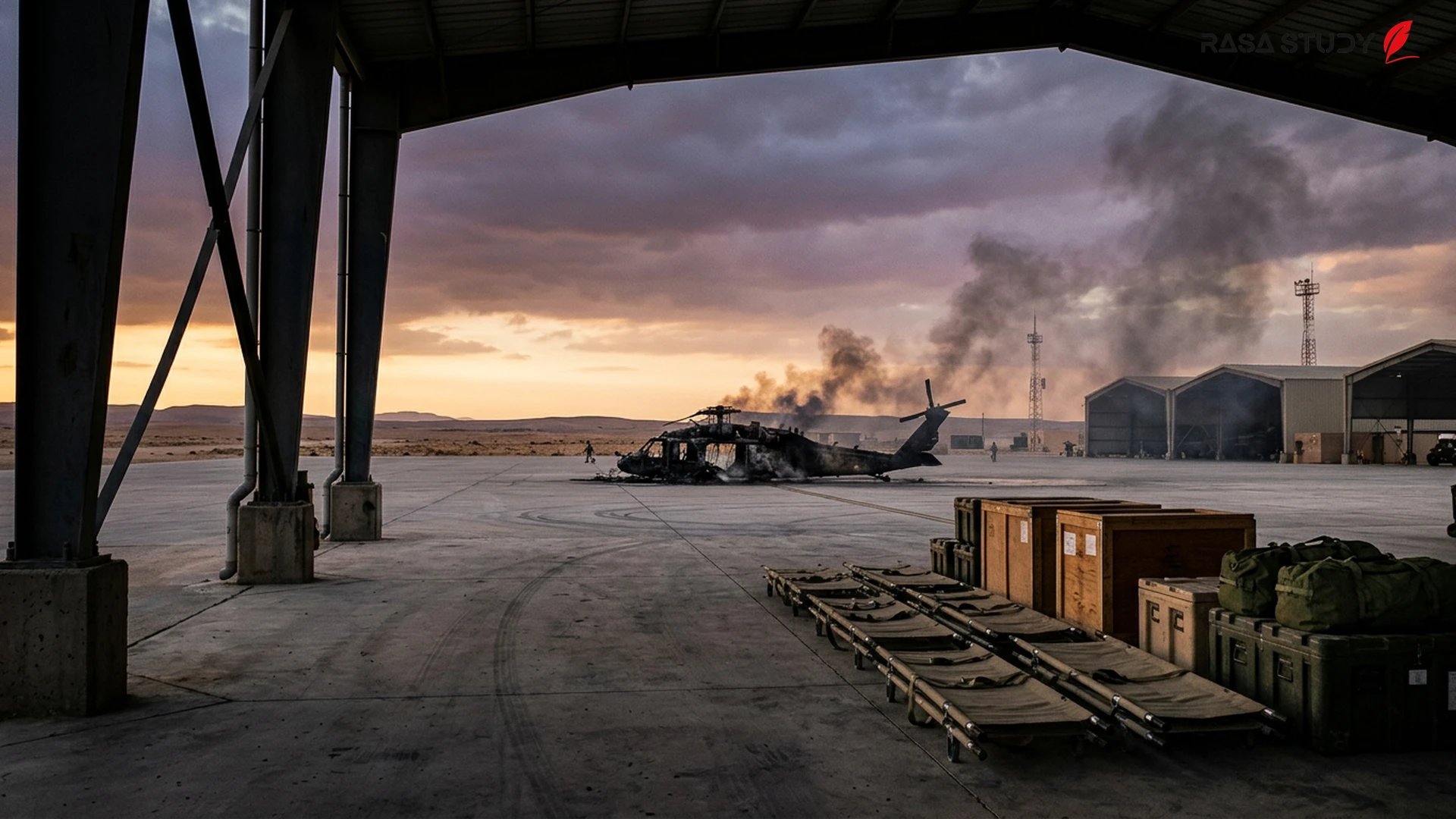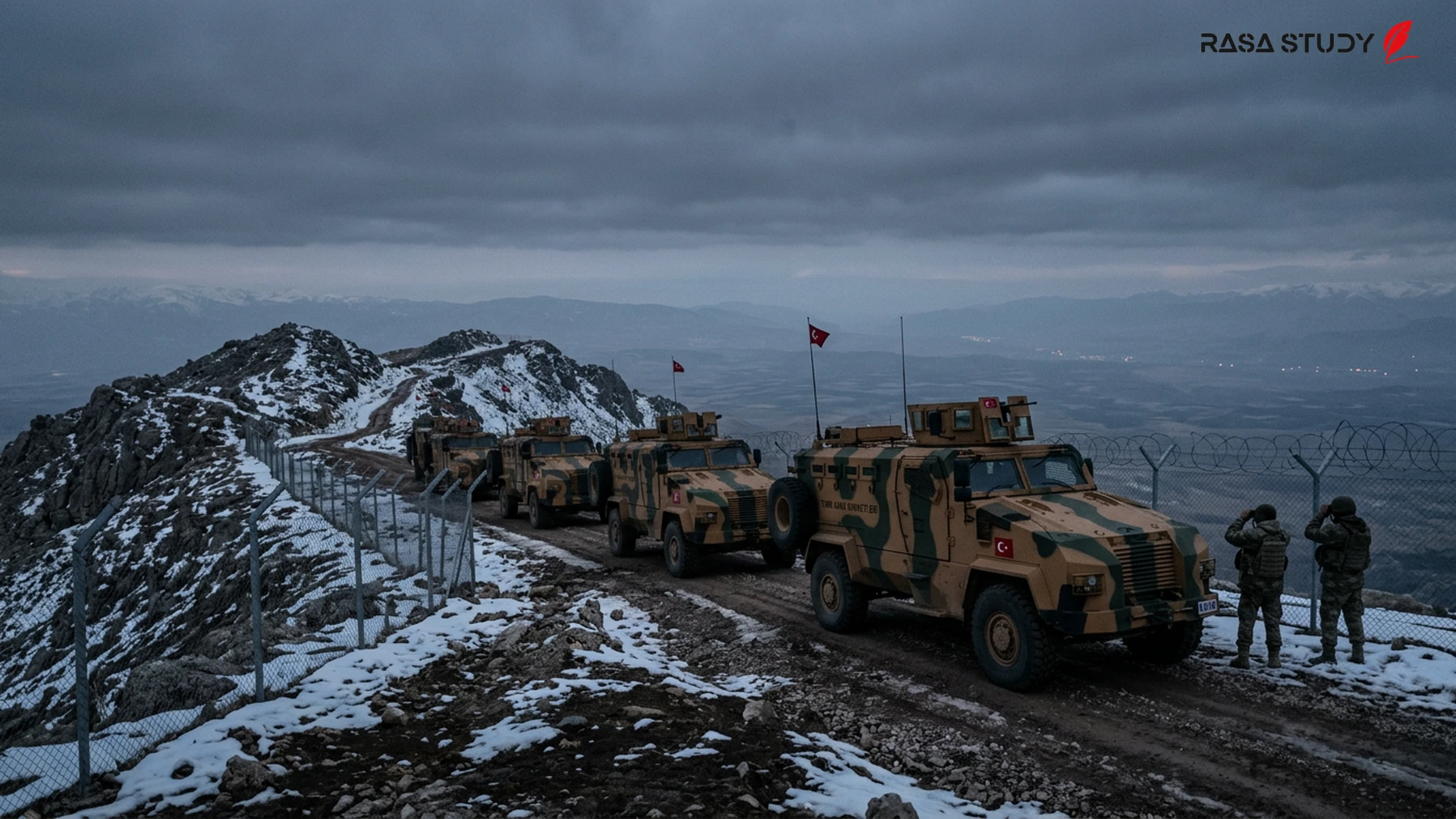
According to reports published on July 13, 2026, direct intervention by the Turkish government has led to the cessation of a large-scale covert operation aimed at regime change in Iran, which was designed by extra-regional powers.
As tensions in the Middle East reach their peak, new reports from credible news sources such as "Kuwaye Media" and "i24 News" indicate that Turkey, through a complex diplomatic and security maneuver, has blocked the execution of a secret military plan on Iranian soil [1]. This operation, allegedly designed with the support of the United States and Israel, intended to target Iran's internal stability by arming militia groups.
Details of the Failed Regime Change Plan According to leaked information, the plan involved the covert transfer of advanced weaponry to groups such as PJAK (the Iranian wing of the PKK) and certain armed groups in Balochistan. The ultimate goal of this program was cited as creating a coordinated invasion from Sulaymaniyah, Iraq, and the Pakistani borders into Iranian territory [3]. Reports suggest that Western intelligence agencies spent months organizing this infiltration and training militia forces, but the leak of the plan's details to Ankara changed the course of events.
The Role of the National Intelligence Organization (MİT) The Turkish government, led by Recep Tayyip Erdoğan, acted immediately upon receiving intelligence reports. Hakan Fidan, the Turkish Foreign Minister, delivered stern warnings to Washington officials while simultaneously exerting extensive pressure on the Kurdistan Regional Government (KRG) to prevent the passage of armed forces [2]. Analysts believe that Turkey preferred to nip this operation in the bud due to concerns over the collapse of the central government in Tehran and its security consequences. This intervention eventually led the White House to issue an order for the immediate halt of the plan.
Fear of Migration Waves and the Creation of a Buffer Zone One of the primary reasons for Ankara's firm opposition to this operation is the fear of a massive humanitarian crisis and a new wave of migration from the eastern borders. Dr. Hay Eytan Cohen Yanarocak, a regional affairs expert, notes that Turkey by no means wants an Israel-backed state in its neighborhood [3]. There are even reports indicating that the Turkish Armed Forces (TSK) had prepared plans to establish a "buffer zone" in northwestern Iran to guarantee the security of its borders in the event of any chaos.
International Reactions and Current Status These developments occur as the United States has carried out multiple missile strikes against Revolutionary Guard positions in the Persian Gulf in recent days [4]. However, Turkey's intervention demonstrates a serious rift in the strategies of NATO and regional allies toward Iran. While Washington and Tel Aviv are focused on military pressure, Ankara considers maintaining relative stability on its borders as the top priority. To date, official Iranian and American authorities have not shown a direct reaction to the leaked details of this intervention, but the prevailing diplomatic silence indicates the high sensitivity of the matter.
Ankara's diplomatic movements in July 2026 prevented a large-scale conflict on Iran's borders.
linkSources
- İran'daki gizli operasyon iddiaları Türkiye'nin müdahalesiyle durduruldu — Kuvayi Medya (2026-07-13)
- Turkey thwarted an Israeli and US-backed incursion of Kurdish forces into Iran — Middle East Eye (2026-07-09)
- İsrail merkezli i24 News: Türkiye'nin devreye girmesiyle İran'daki gizli operasyon durduruldu — ABC Gazetesi (2026-07-13)
- US military conducts new wave of strikes against Iran, CENTCOM says — Fox News (2026-07-13)