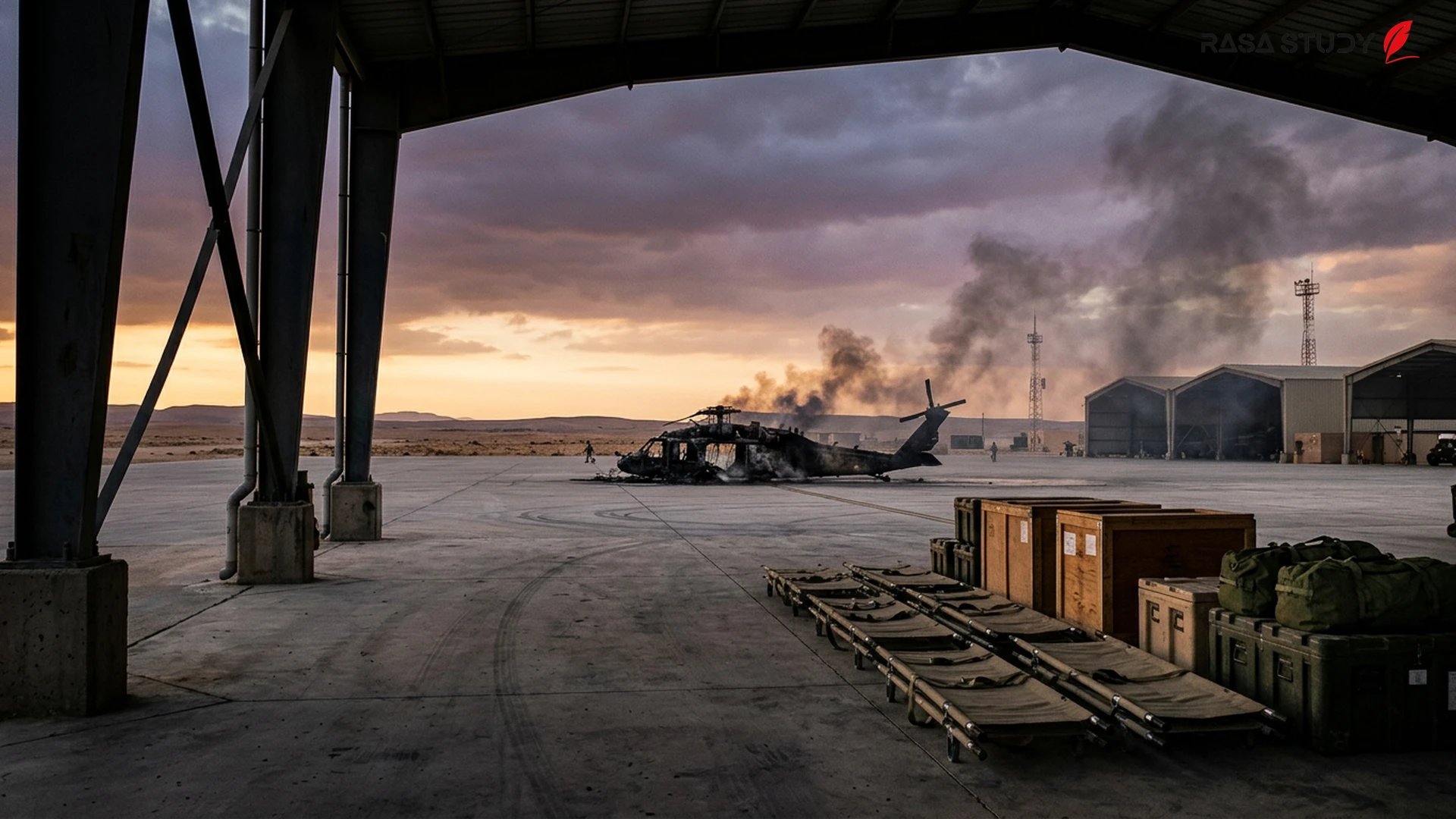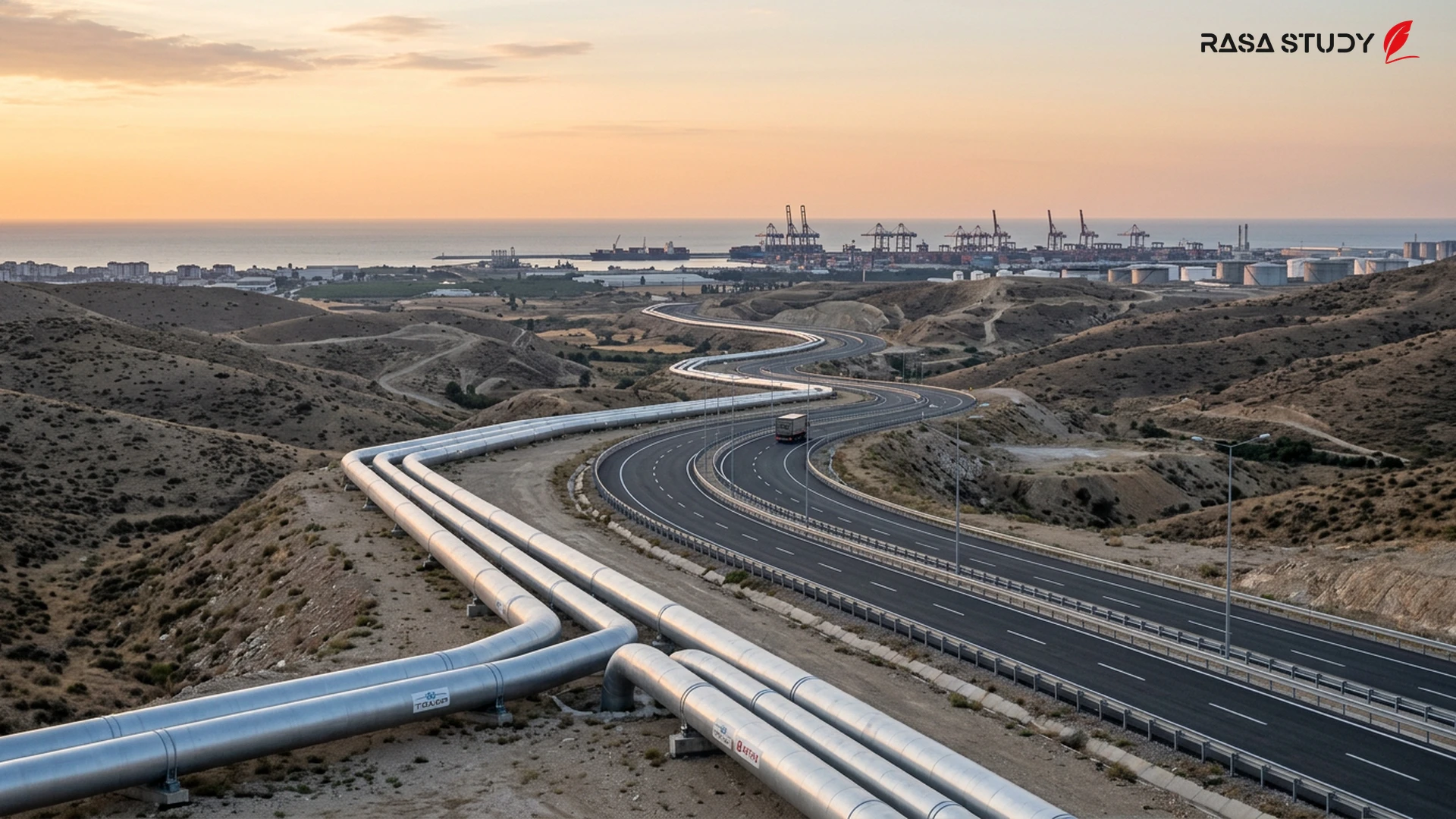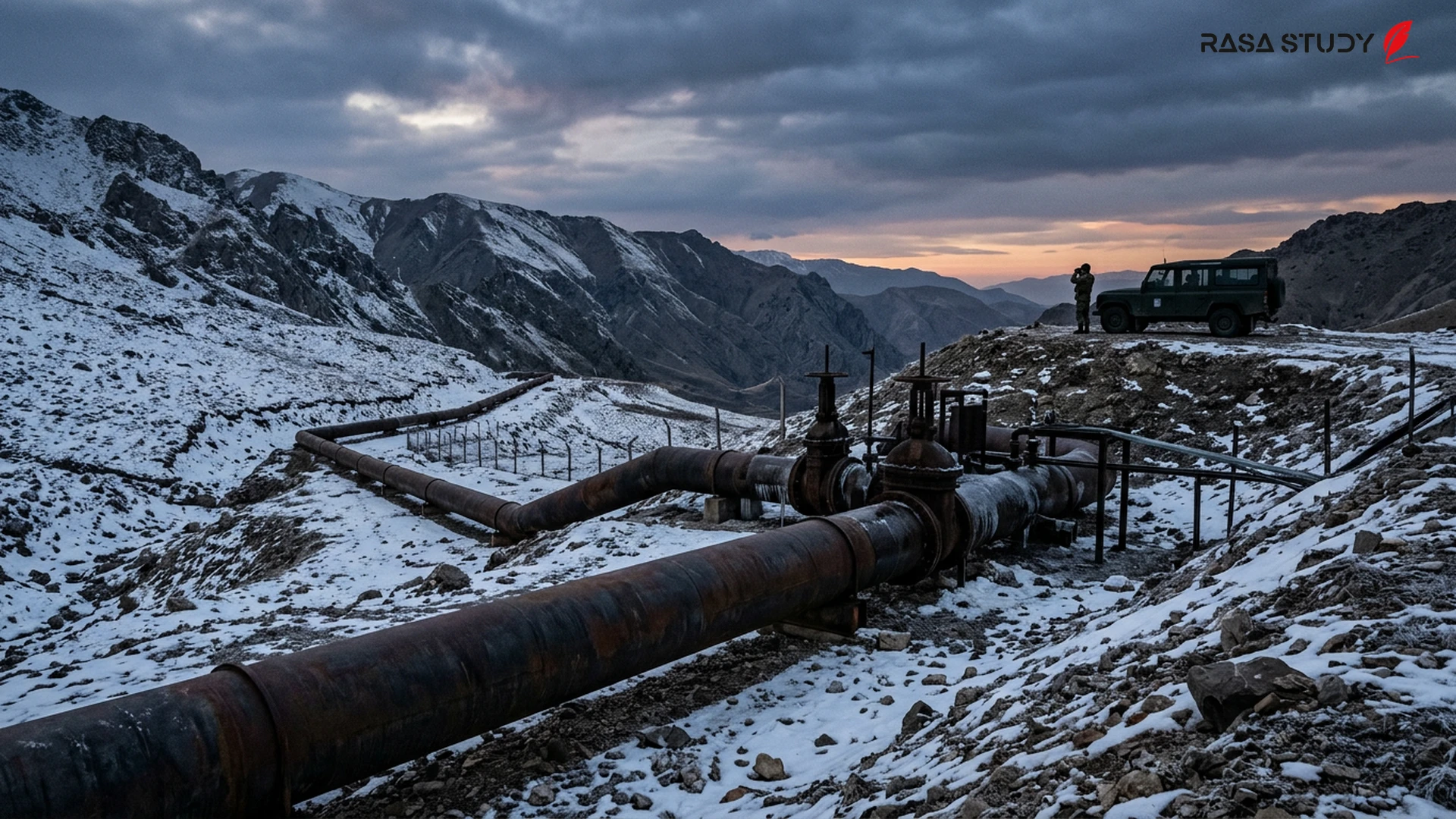
With the expiration of the 25-year Iranian gas contract and the intensification of military conflicts in the region, prominent Turkish diplomat Namık Tan warns that Turkey is on the brink of a dangerous geopolitical shift that could severely shake the country's strategic position.
Today, July 19, 2026, the Middle East region is experiencing one of its most critical periods. While United States military strikes against targets in Iran continue for the sixth consecutive night [4], a vital deadline for the Turkish economy has arrived: the expiration of the 25-year gas import contract from Iran signed in 2001 [3]. Namık Tan, former Turkish Ambassador to Washington and current Member of Parliament, warns in an analytical note on the T24 website that this coincidence of crises could turn Turkey into one of the biggest losers of energy geopolitical changes [1].
End of an Era and Negotiation Deadlock The contract to import 9.6 billion cubic meters of gas annually from Iran is ending at a time when, due to war conditions and unprecedented regional tensions, no official negotiations for its extension have taken place [3]. Although Turkey has tried in recent years to diversify its energy portfolio by signing long-term LNG contracts with companies such as Shell and ExxonMobil, as well as exploiting the Sakarya gas field in the Black Sea, energy security in the eastern regions of Anatolia remains dependent on the flow of Iranian gas [2]. Namık Tan believes that the lack of a clear strategy in facing the Iran crisis threatens not only energy supply but also Turkey's role as a regional "energy hub" [1].
The Barrier of Sanctions and Financial Challenges Even if there were political will to renew the contract, unprecedented financial obstacles stand in the way. According to the June 2026 agreement in the Halkbank case, the bank has been placed under strict supervision and prohibited from conducting any transactions that benefit Iran [2]. The return of the United Nations "Snapback" sanctions mechanism in 2025 has also further limited Ankara's room for maneuver. According to analysts, the main problem now is not the physical transfer of gas, but how to pay for it within the framework of the new sanctions architecture [2].
Changing Transit Maps and Strategic Isolation Namık Tan points out a key point in his analysis: the Iran crisis is not just a security issue, but a catalyst for revising global trade and energy routes [1]. With intensifying insecurity in the Persian Gulf and Iran's borders, alternative projects such as the "Middle Corridor" and bypass routes that circumvent Turkey have gained momentum. Tan warns that if Ankara cannot strike a balance between Washington's pressures and its own energy needs, the economic costs resulting from increased fuel prices and the loss of transit rights could break the back of Turkey's recovering economy [1][4].
Ultimately, the main question is whether Turkey can navigate this geopolitical storm or, in Namık Tan's words, will pay a heavy price for its eastern neighbor's crisis due to structural dependencies and diplomatic mistakes [1].
Namık Tan warns that changes in global energy maps could threaten Turkey's strategic position.
linkSources
- Türkiye, İran krizi ve değişen enerji jeopolitiği: En büyük kaybedenlerden biri Türkiye olabilir mi? — T24 (2026-07-19)
- Turkey’s expiring gas contract with Iran faces financial hurdle — Forbes (2026-06-29)
- Turkey says no talks under way yet on extending Iran gas deal set to expire in July — Turkish Minute (2026-04-18)
- US launches 6th consecutive night of strikes against Iran — Anadolu Agency (2026-07-17)