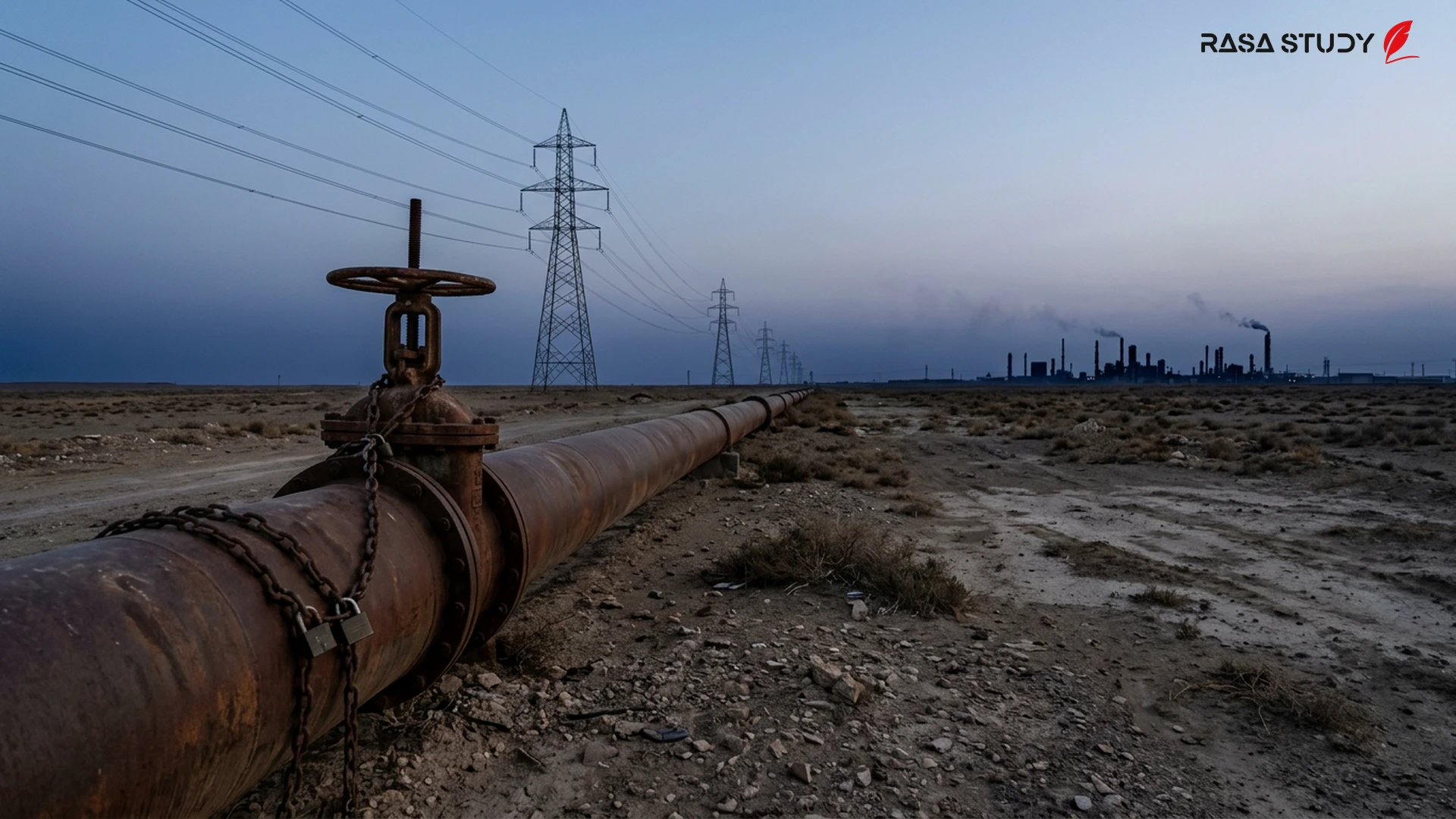
Today, July 19, 2026, Iran-Turkey energy relations stand at their most critical historical juncture. With the expiration of the strategic gas contract and escalating military tensions, the equations of "pipeline politics" in the region are fundamentally shifting.
The End of a 25-Year Contract and Diplomatic Deadlock As of today, July 19, 2026, the historic 25-year contract for Iranian gas exports to Turkey, signed in 1996, has officially neared its conclusion. Despite the strategic importance of this pipeline for Turkey's energy security, Alparslan Bayraktar, Turkey's Minister of Energy, had previously stated that no formal negotiations for the contract's renewal have taken place due to the regional crisis and military conflicts [1]. This diplomatic silence reflects Ankara's shifting priorities under the shadow of "Boru Politik" (Pipeline Politics).
Impact of War on Energy Infrastructure Field reports indicate that recent attacks on Iranian energy infrastructure, including the South Pars gas field and petrochemical facilities, have caused serious disruptions to export flows [3]. While Iranian officials attempt to demonstrate export stability, the realities of the battlefield and new U.S. airstrikes reported just today (July 19) have placed unprecedented pressure on the gas transmission network [5]. These conditions have further damaged Turkey's confidence in Iran as a stable supplier.
Financial Barriers and the Halkbank Enigma Beyond technical and military issues, financial challenges have become the greatest obstacle to contract renewal. The return of United Nations sanctions via the "Snapback" mechanism in late 2025 and a new Halkbank agreement in June 2026 have effectively blocked banking payment routes for purchasing gas from Iran [4]. Turkish banks now fear processing energy-related transactions with Iran due to international oversight. This "financial bottleneck" has turned the transfer of funds into a complex puzzle, even if gas were available.
Shift from Gas Exports to Electricity Imports One of the most peculiar developments in the "Boru Politics" of 2026 is Iran's request to import electricity from Turkey. Due to damages sustained by Iran's domestic power plants during the conflicts, Tehran has initiated negotiations to import 450 MW of electricity via the Van-Khoy transmission line [2]. This role reversal highlights the depth of the regional energy crisis and Turkey's transformation from a mere customer to a key supplier in the energy chain. While Turkey has reduced its dependence on Iranian pipeline gas through new LNG contracts with the U.S. and Russia, Tehran now finds itself in a difficult position to maintain its energy influence [4].
Military tensions in 2026 have cast a shadow of uncertainty over the future of Iranian gas exports to Turkey.
linkSources
- Turkey says no talks with Iran yet to extend gas contract — BSS News (2026-04-18)
- Iran Commences Talks with Turkey to Supply Electricity — Arman Egthesadi (2026-07-02)
- İran'ın Türkiye'ye doğalgaz akışını kestiği ileri sürüldü — NTV (2026-03-24)
- Turkey’s expiring gas contract with Iran faces financial hurdle — Forbes (2026-06-29)
- US forces launch new strikes on Iran targeting IRGC units — Anadolu Agency (2026-07-19)


