As regional tensions peak in July 2026, Tehran's recent missile strikes in Northern Iraq and differing security perspectives with Ankara have confronted the region with a new "strategic gap."
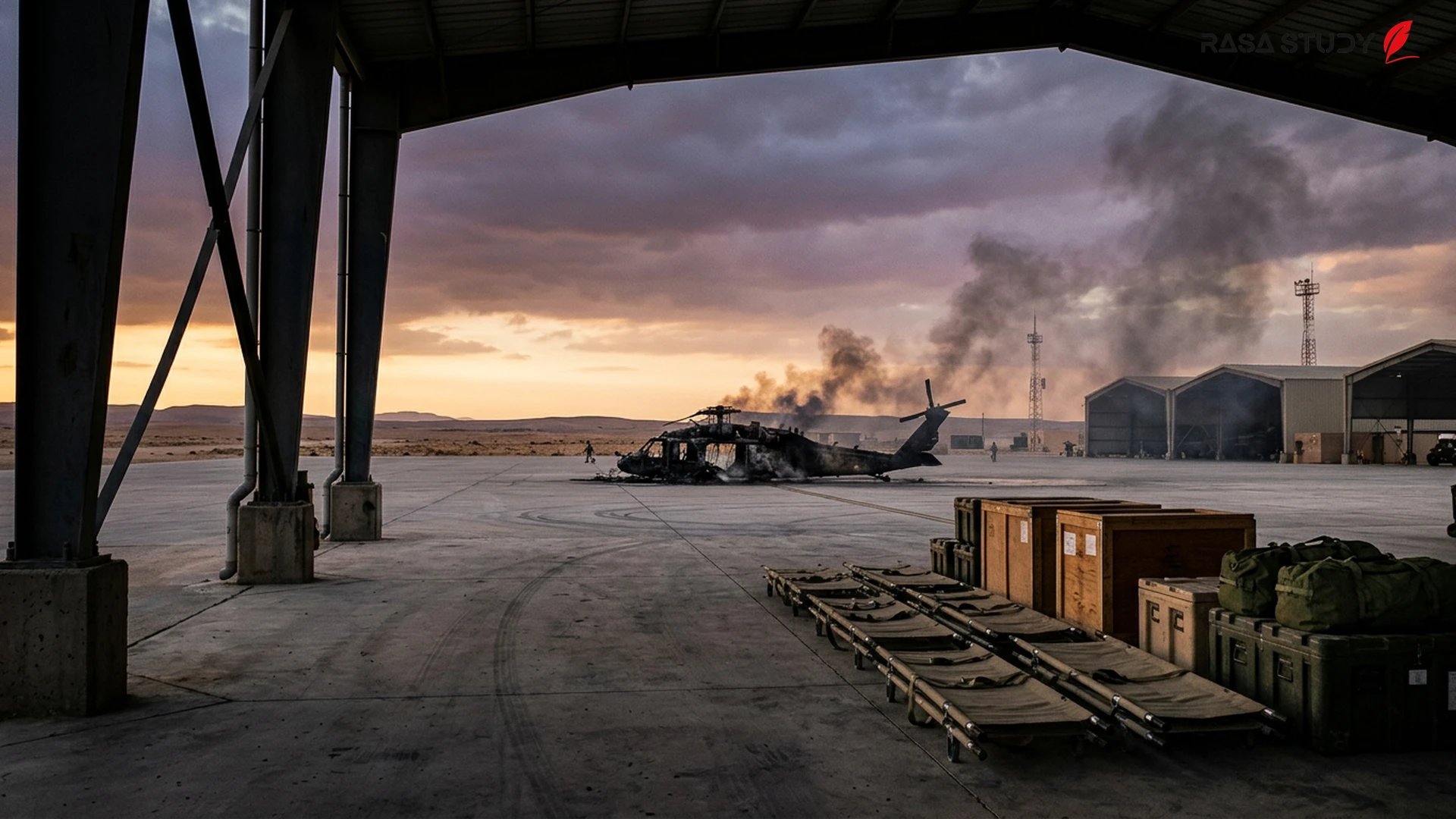
Tehran's Missile Strikes: A Message Beyond Borders In recent days, Northern Iraq has once again become a stage for Iran's military power. According to reports published on July 17 and 18, 2026, the Revolutionary Guard Corps (IRGC) carried out extensive missile and drone attacks against the positions of Iranian Kurdish opposition groups near Sulaymaniyah and Erbil [2]. These attacks, which resulted in the deaths of at least 9 members of the Komala Party, indicate a shift in Tehran's strategy toward "surgical" and radical operations to suppress dissidents outside its borders [3]. These movements occur while the region is embroiled in broader tensions between Iran and extra-regional forces.
Security Gap: Strategic Divergence between Ankara and Tehran Senior analyst Ömür Çelikdönmez, in an article in "DikGazete," points to a phenomenon he calls "Makas" or the security gap between Turkey and Iran [1]. While both countries are concerned about the activities of armed Kurdish groups on their borders, their goals and methods are sharply diverging. Turkey seeks to create a 30-kilometer security belt deep within Iraqi and Syrian territory to counter the PKK, but Tehran views this Turkish military presence as a threat to its geopolitical influence in Baghdad and Sulaymaniyah.
The Role of Kurdish Groups in the Balance of Power A key point in recent analyses is the instrumental use of militant groups in this regional competition. Reports indicate that Tehran, by pressuring the Iraqi central government and the Kurdistan Region, has demanded the complete disarmament of Iranian Kurdish opposition groups [3]. On the other hand, Ankara believes that the PKK acts as a subcontractor in some areas under Iranian influence to prevent the full stabilization of Turkey's security plans. This conflict of interest has turned border cooperation, once based on "joint containment of Kurds," into a cold rivalry.
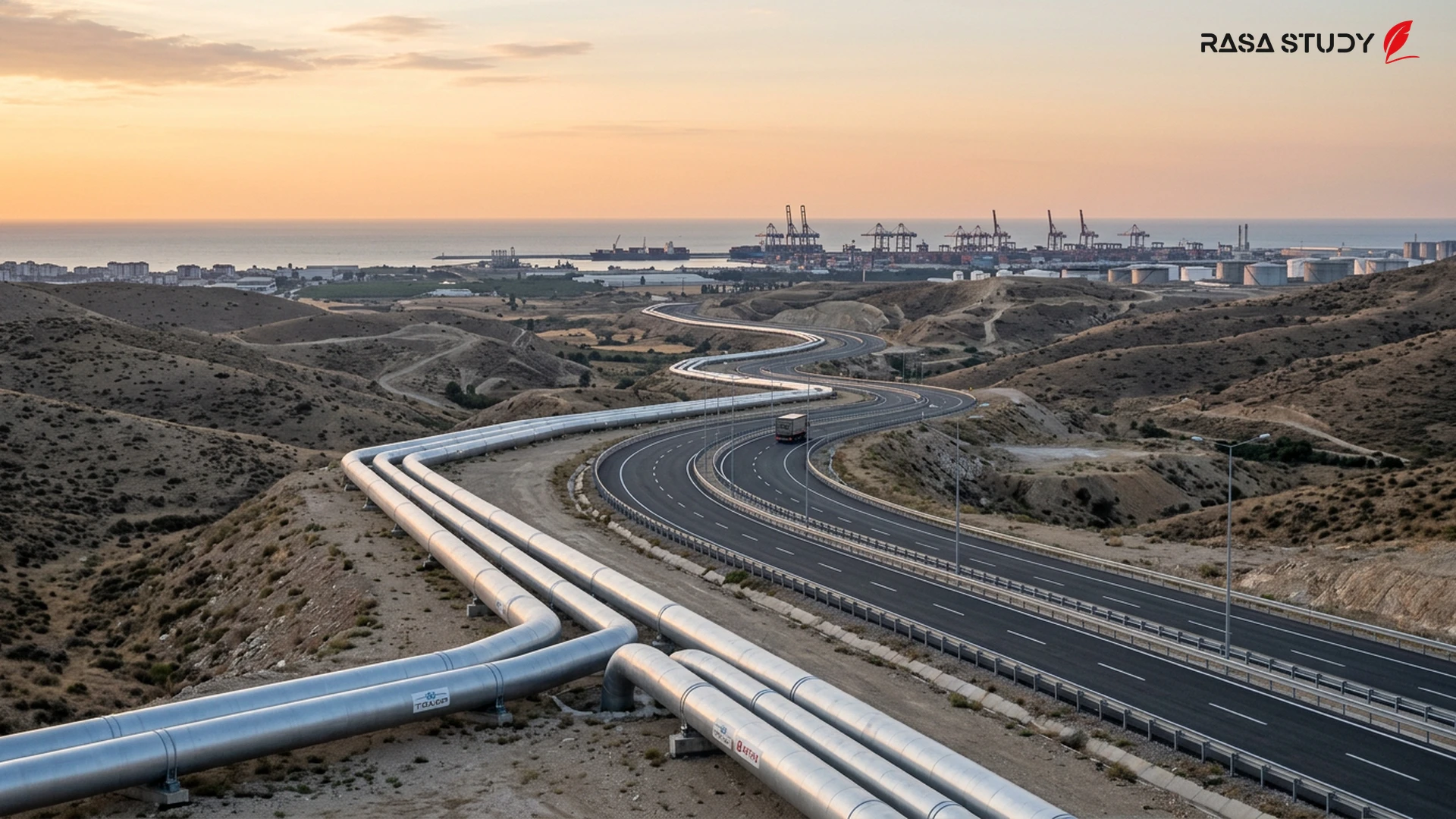
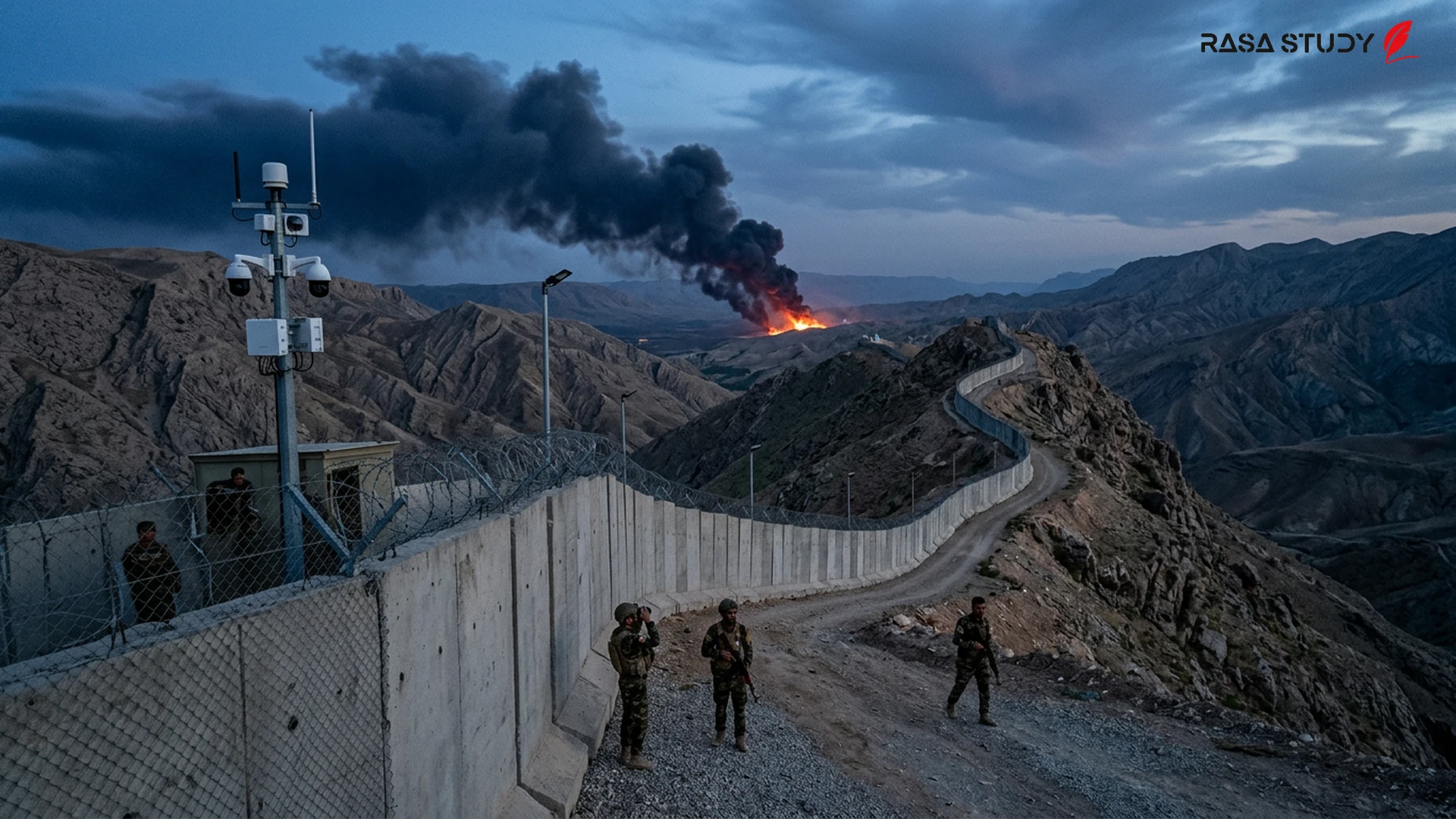
The Future of Stability on Shared Borders With energy contracts between the two countries nearing their end in mid-2026 and increasing pressures from new waves of migration, managing this security gap is vital for both capitals. Turkey is trying to isolate itself from Iran's internal instabilities by strengthening border walls and advanced surveillance systems [1]. However, until a comprehensive agreement on the management of Northern Iraq is reached, this "gap" could lead to more serious diplomatic or even proxy clashes between these two regional powers.
Military tensions on the shared borders of Iran, Turkey, and Iraq reached their peak in July 2026.
linkSources
- Ömür Çelikdönmez - Tahran’ın Kuzey Irak hamlesi ve sınır güvenliğinde Türkiye-İران makası! — dikGAZETE (2026-07-19)
- Iranian strikes kill eight Kurdish opposition fighters in Iraq — Iran International (2026-07-17)
- Nine Kurdish militants reportedly killed in Iranian missile strike in Iraq — News.Az (2026-07-18)