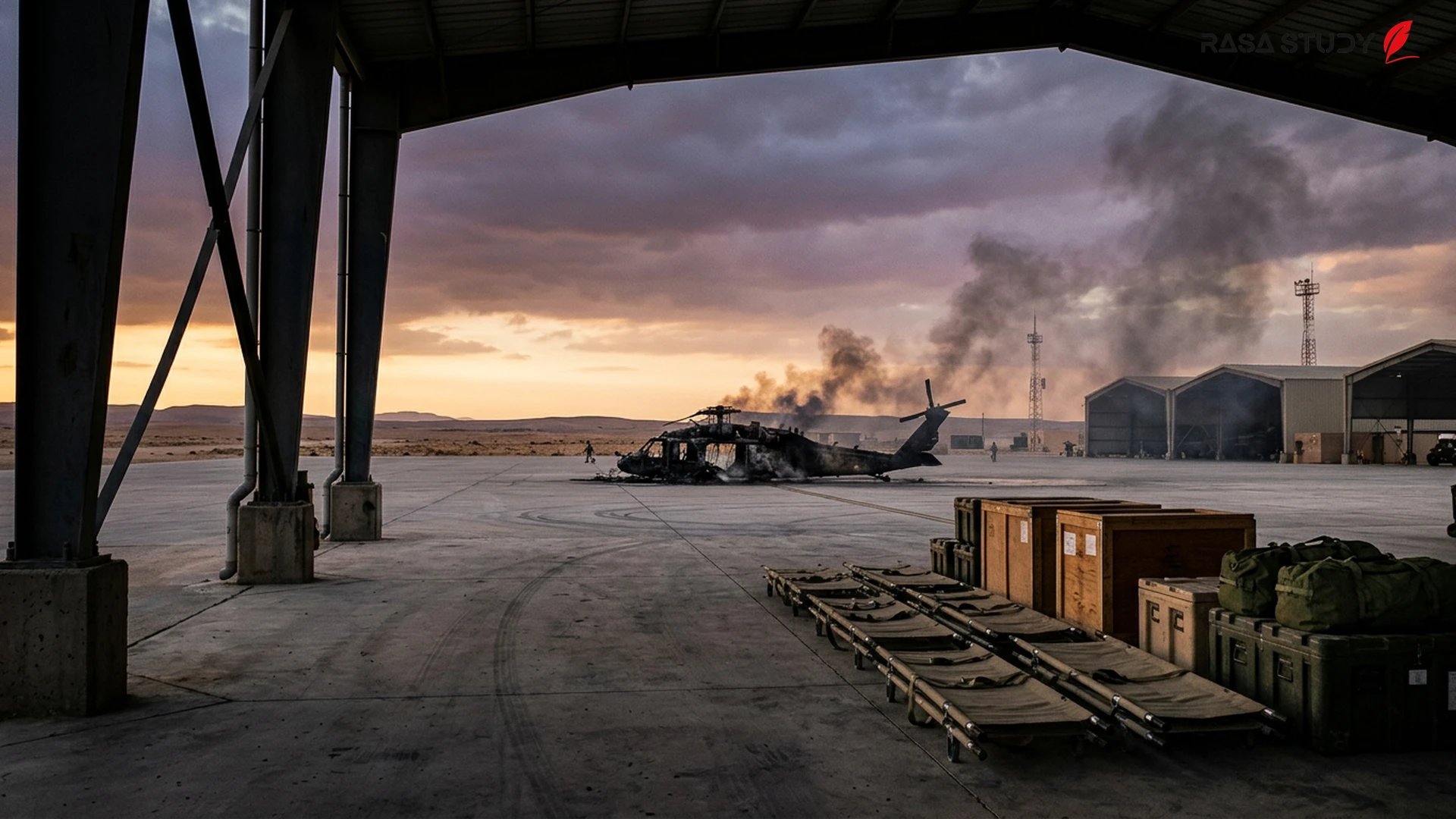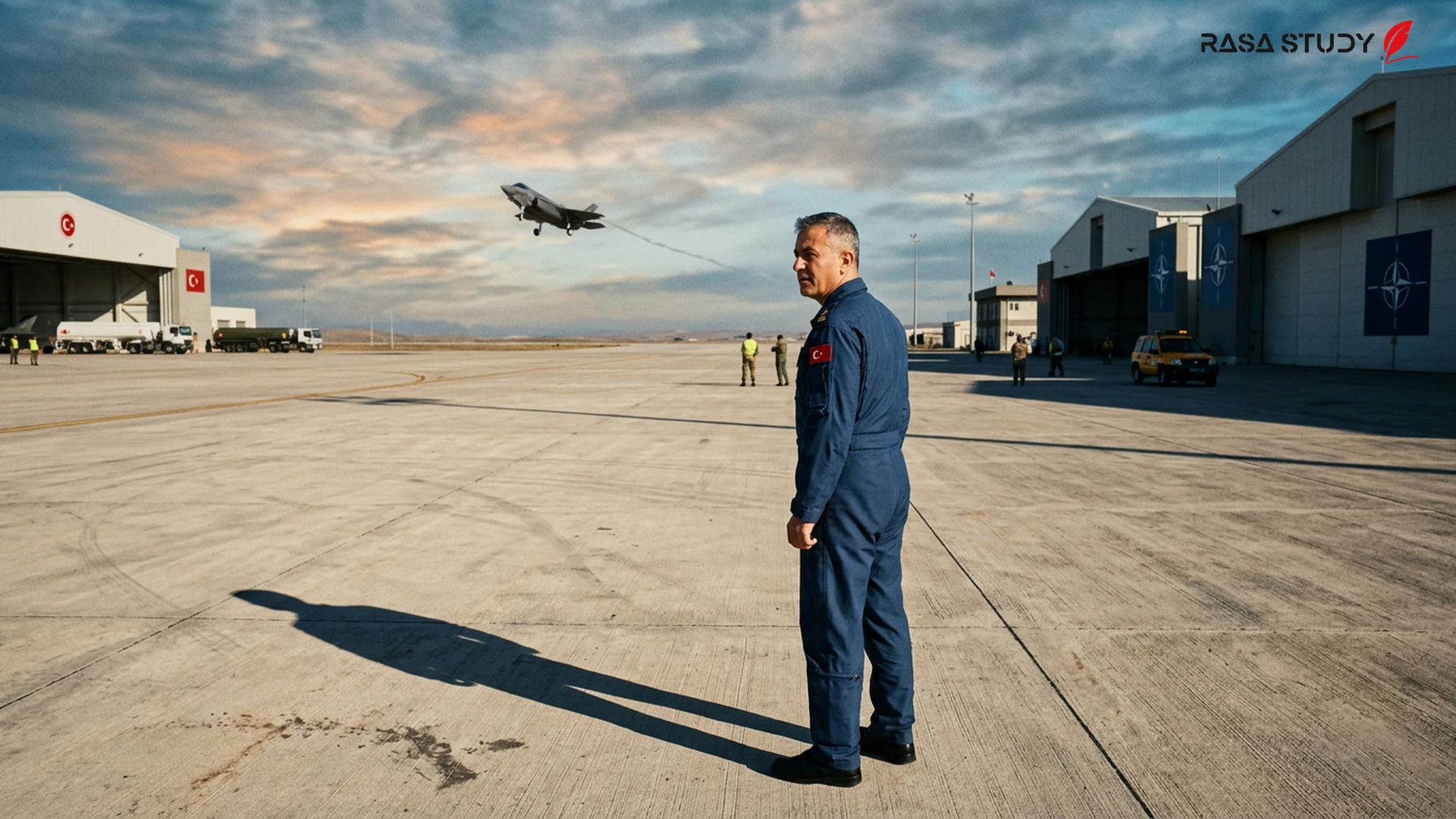
As unprecedented tensions escalate in the Middle East and political shifts occur in Washington, Turkey's strategic position within NATO has once again become a focal point of international attention; is Ankara becoming an irreplaceable ally once more?
In the twenty-eighth episode of the "Toplum ve Siyaset" program on Medyascope, international affairs expert Efe Tokdemir analyzed the complex dimensions of Turkey's relations with the West amidst the crises of 2026. This conversation was released at a time when speculation regarding Turkey's return to the F-35 fighter jet program and its role in mitigating regional tensions has reached its peak [1].
Reviving Turkey's Strategic Position in NATO Tokdemir argues in this interview that recent developments in Eastern Europe and the Middle East have forced NATO to reconsider its priorities. With NATO's second-largest army and control over key straits, Turkey has once again emerged as a defensive bulwark and a diplomatic mediator. According to him, the main question is not whether NATO needs Turkey, but how Ankara will use this "mutual need" to resolve its pending cases [1][3].
The F-35 Knot and the Impact of Trump's Return One of the main pillars of this discussion is the fate of the F-35 fighter jets. After years of suspension due to the purchase of the S-400 system, signals are now being received from Washington regarding the possibility of Turkey's return to this project. Tokdemir believes that Donald Trump's transactional approach to foreign policy could pave the way for a new agreement. Trump, who has always emphasized strengthening the defensive capabilities of allies in exchange for financial participation, might untie the F-35 knot as part of a larger security package [2][4].
Turkey Amidst Iran-Israel Tensions Another sensitive part of this conversation is dedicated to the possibility of war between Iran and Israel. Tokdemir notes that in the event of a full-scale conflict, Turkey would be in a difficult position. On one hand, NATO obligations and security relations with the West, and on the other, the necessity of maintaining stability on eastern borders and relations with Tehran, drive Ankara toward a policy of "active balance." NATO knows well that without Turkey's cooperation, managing any crisis on the alliance's southern borders would be impossible [1][3].
Future Outlook: From Competition to Cooperation Ultimately, the provided analysis shows that 2026 could be a year of major shifts in Turkish foreign policy. Although challenges such as human rights and disputes in the Eastern Mediterranean remain, the geopolitical necessities arising from potential wars and power shifts in America have once again made Turkey an indispensable piece on the global chessboard [2].
Analysts believe the security necessities of 2026 have brought Turkey and NATO closer together.
linkSources
- Toplum ve Siyaset (28): Türkiye NATO için yeniden vazgeçilmez mi? — Medyascope (2026-07-15)
- Turkey's F-35 Return: Strategic Necessity or Political Gamble? — Al-Monitor (2026-07-10)
- NATO's Southern Flank and the Iran-Israel Shadow War — Reuters (2026-07-18)
- The Trump Factor in US-Turkey Relations: 2026 Outlook — Carnegie Europe (2026-07-12)