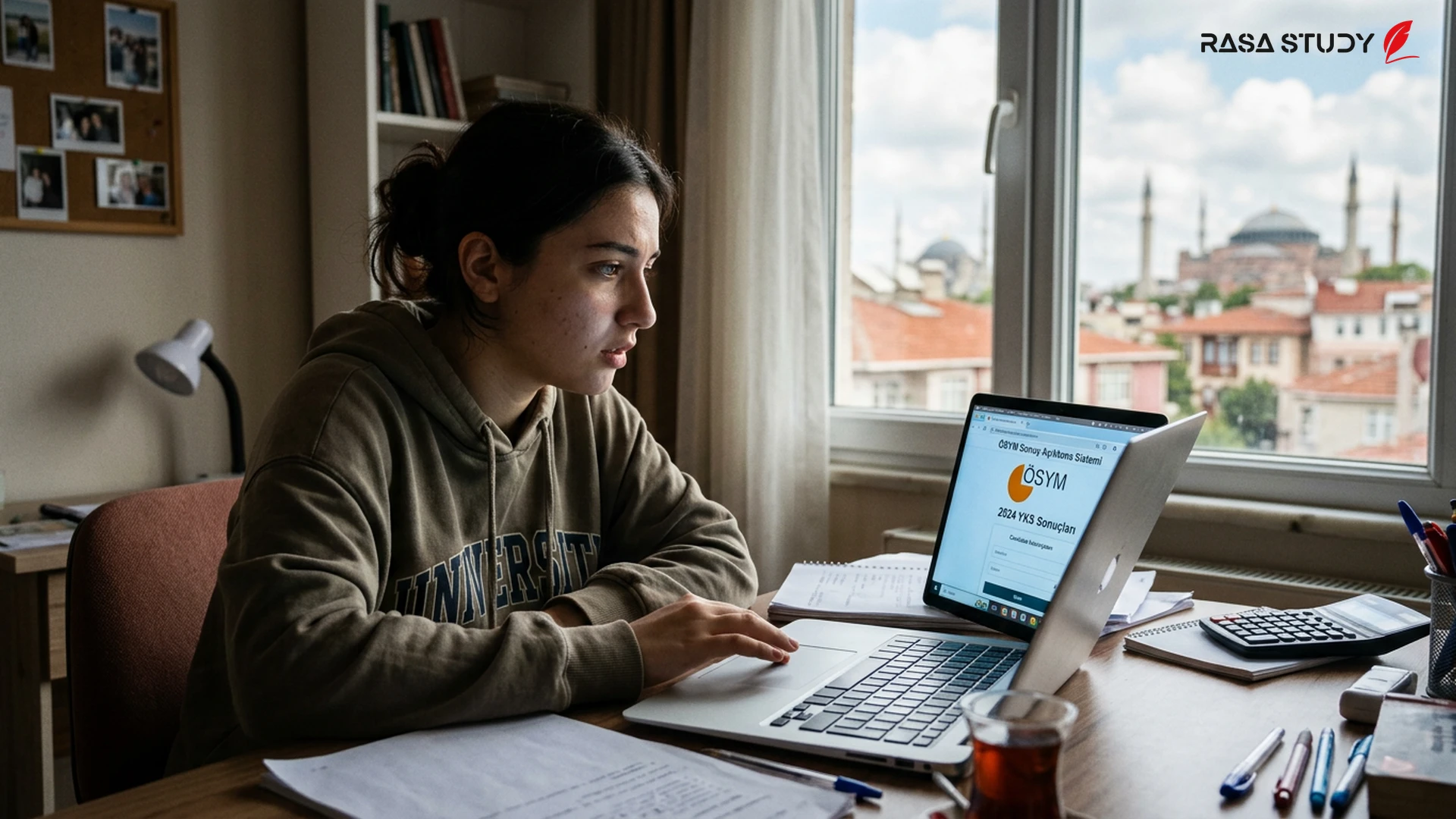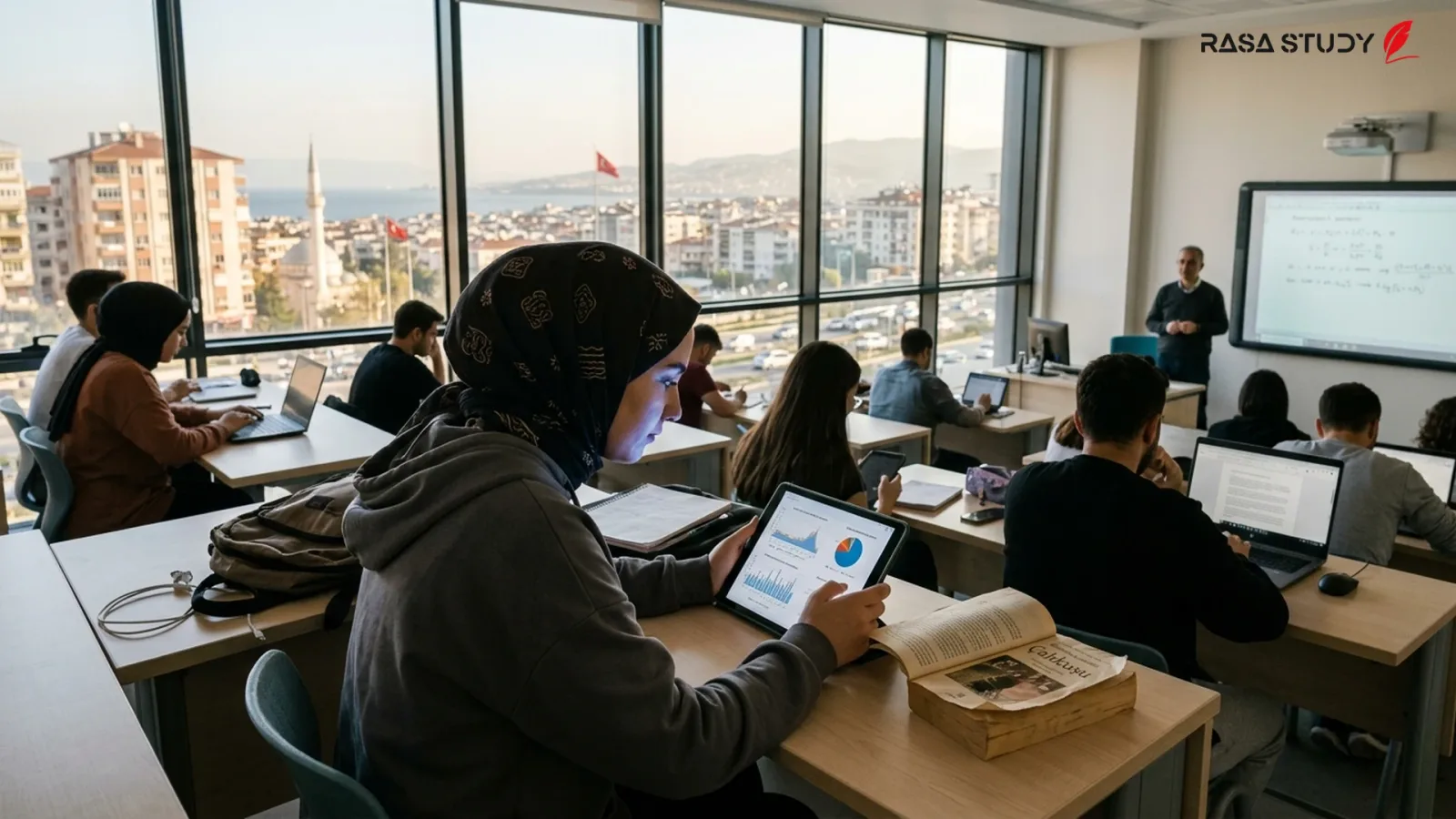
New reports released in June 2026 indicate that Turkey is on a path toward improving PISA educational indicators, yet serious challenges remain regarding reading skills and digital literacy among the country's students.
In recent days, the release of new analyses regarding Turkey's educational performance in the international PISA test has sparked widespread debate in the country's academic and media circles. Anadolu Agency examined in a special report why there is a discrepancy between public perception of educational quality and actual statistical data [1].
Analysis of New PISA Data and Turkey's Standing According to the latest published data, Turkish students have managed to maintain relative stability in mathematics and science, showing slight improvements in some indicators. Reports from the Organisation for Economic Co-operation and Development (OECD) indicate that Turkey's recent investments in educational infrastructure and modern technologies have had a positive impact on basic subject scores [2]. However, experts believe these advancements are still far from ideal standards and require continued structural reforms.
The Difference Between Perception and Reality in the Education System One of the key points highlighted in the Anadolu Agency report is the issue of "perception versus data." While public opinion may be pessimistic about educational quality due to economic pressures or constant changes in entrance exam systems, PISA data shows that the level of students' technical knowledge has improved compared to previous decades [1]. This gap indicates an urgent need for transparency in educational results for parents and society to rebuild trust in the education system.
Challenges in Reading Skills and Digital Literacy Despite success in mathematics, reading skills and comprehension remain the Achilles' heel of Turkish students. The Ministry of National Education (MEB) announced in a statement that new programs have been developed to strengthen reading habits and text analysis in primary and secondary schools [3]. Furthermore, given the nature of the new PISA tests focusing on digital literacy, students must further strengthen their critical thinking abilities in virtual spaces.
A Look at the Future and Upcoming Reforms Turkish educational authorities emphasize that the ultimate goal is to rank among the top 20 countries in the world in PISA indices. To achieve this, focusing on teacher training and updating curriculum content based on 21st-century needs has been prioritized [3]. Analysts believe that if Turkey can create a balance between theoretical education and practical skills, it will witness a significant jump in global rankings in future PISA cycles.
Analysis of PISA 2026 data indicates structural changes in the Turkish education system.
linkSources
- Eğitimde algılar ve veriler: Türkiye'nin PISA karnesi bize ne söylüyor? — Anadolu Ajansı (2026-06-10)
- PISA 2025 Results and Turkey's Educational Trends — OECD (2026-06-08)
- MEB'den PISA verilerine ilişkin yeni değerlendirme — TRT Haber (2026-06-11)