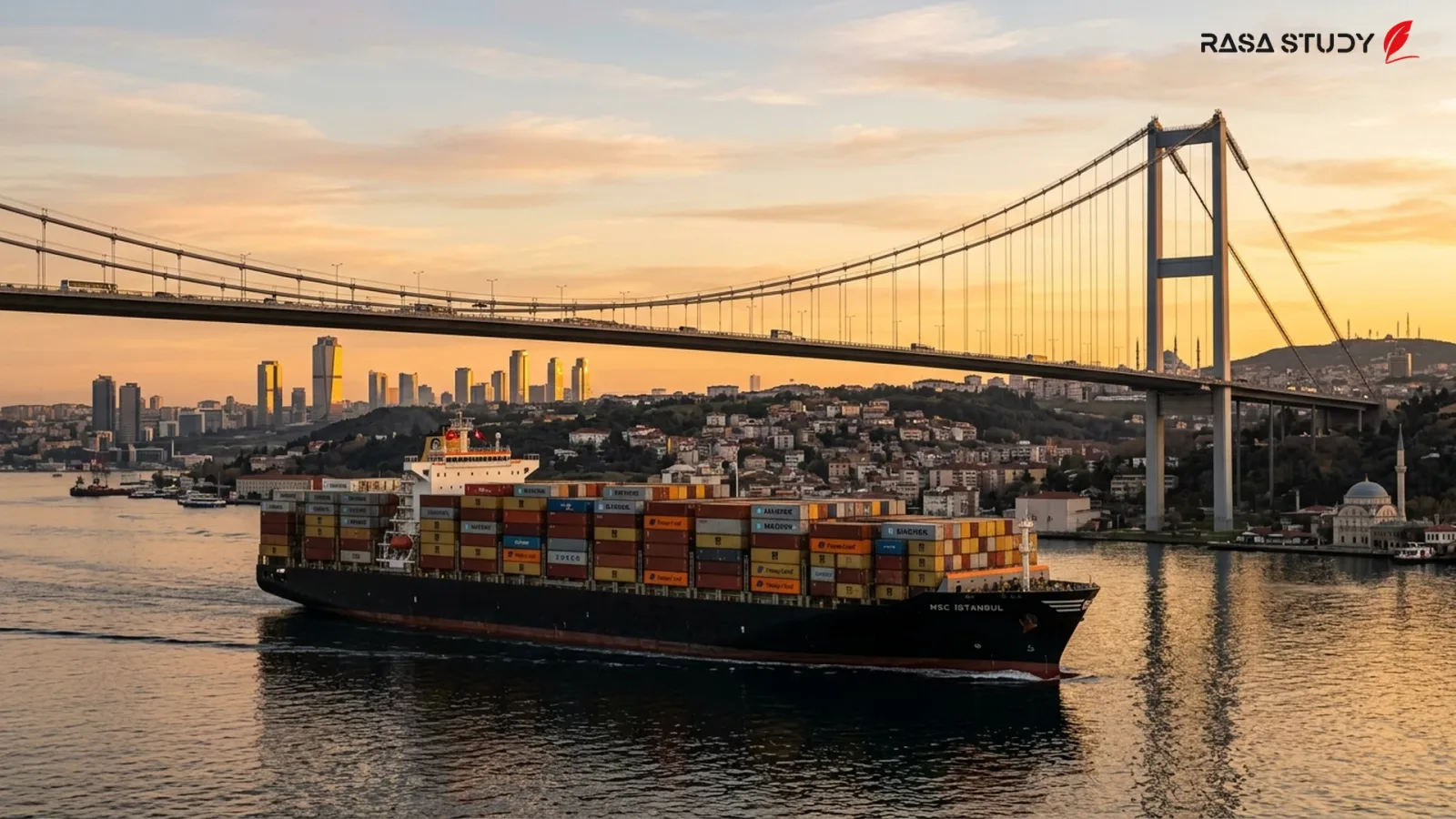
As of June 2026, economic and diplomatic analyses indicate that the realization of peace scenarios in surrounding regions will transform Turkey into an unrivaled hub of trade and political influence at the heart of Eurasia.
While the world grapples with numerous geopolitical challenges in mid-2026, new reports published in İstanbul Ticaret Gazetesi (Istanbul Commerce Newspaper) suggest that Turkey is on the verge of a strategic leap. According to these analyses, establishing lasting peace in conflict zones to the north, south, and east could solidify Turkey's position as a "peace-making power" and the region's economic center of gravity [1].
Turkey: An Island of Stability Amid Crises Ömer Bolat, Turkey's Minister of Trade, emphasized in a recent speech on June 11, 2026, that despite widespread conflicts in the Middle East and neighboring areas, Turkey has managed to maintain itself as a "safe harbor" for investors. He noted that the government's active foreign policy and peace-oriented approach have turned the country into a center for production and social life amidst regional turbulence [1]. According to him, if the flames of war subside, Turkey's latent potential in the industrial, tourism, and transit sectors will flourish at an accelerated pace.
Economic Reforms and Market Confidence in 2026 In the same vein, Mehmet Şimşek, Minister of Treasury and Finance, provided encouraging messages regarding macroeconomic stability at a meeting of the Banks Association of Turkey on June 12, 2026. Pointing to the reduction in the budget deficit and adequate foreign exchange reserves, he announced that the country's economic program is correctly on track [2]. This internal stability, alongside structural reforms initiated at the beginning of 2026, has prepared Turkey to exploit post-peace opportunities. Reducing the corporate tax rate for exporters to 9% and tax exemptions at the Istanbul Financial Center are among the measures Ankara has taken to attract global capital during times of stability [3].
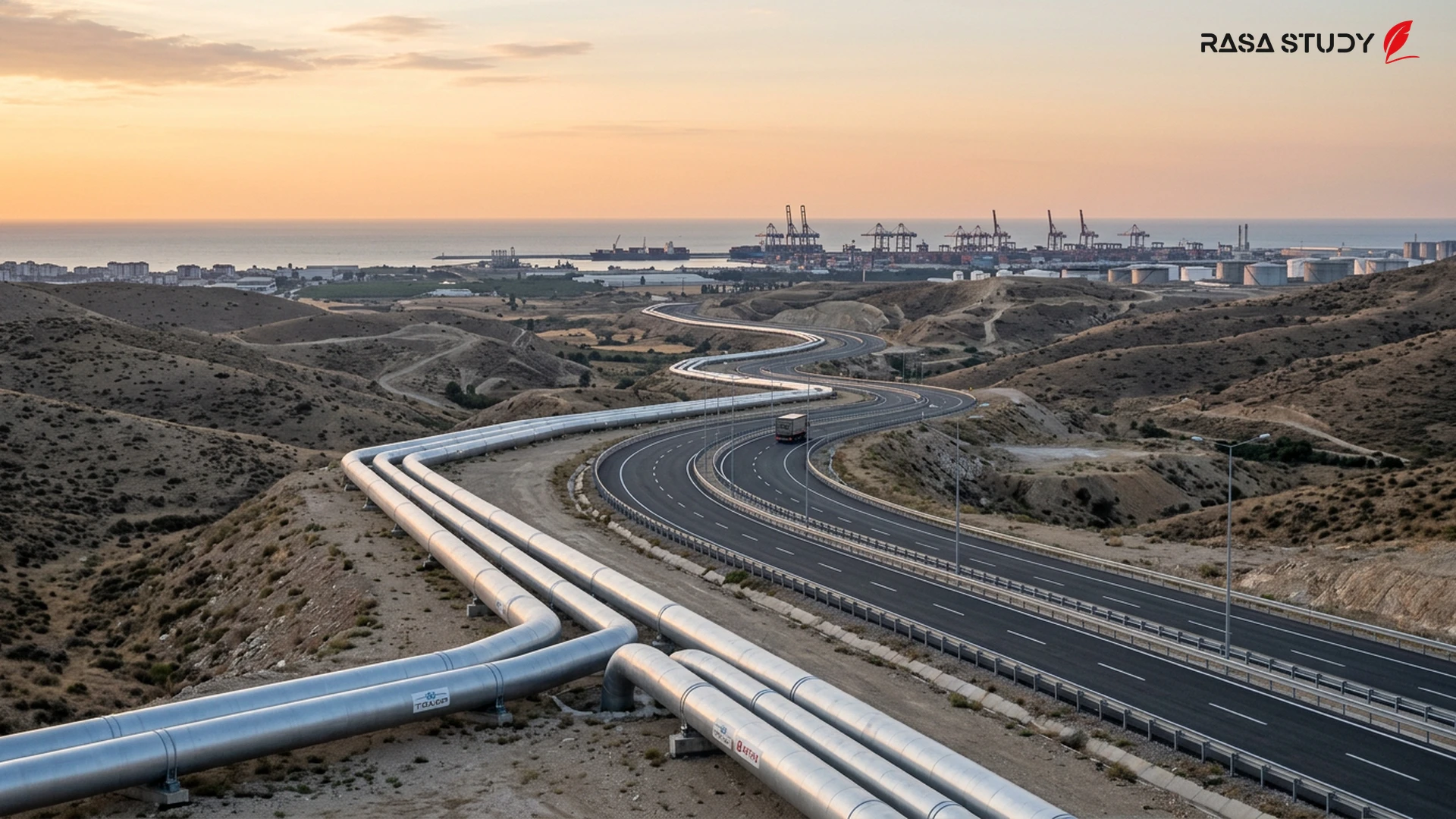
The Role of Mediation and Strategic Autonomy International analysts believe that 2026 is the year of testing Turkey's "strategic autonomy." By maintaining a balance between NATO membership and close relations with regional powers like Iran and Russia, Ankara has been able to play a facilitator role in many conflicts [4]. This mediatory role, particularly in reconstructing trade routes and energy corridors, has increased Turkey's bargaining power on the international stage. İstanbul Ticaret Gazetesi emphasizes that a peace scenario would not only reduce military costs but also turn Turkey into the primary route for energy and goods transfer between East and West [1].
Future Outlook: From Financial Center to Logistics Hub Looking toward the second half of 2026, it is clear that Turkey's long-term strategy is based on becoming a preeminent regional power (Middle Power). Extensive investments in rail and digital infrastructure, alongside the strengthening of domestic defense industries, are the tools Ankara has employed to consolidate its influence [3][4]. If peace scenarios in the Caucasus and the Middle East are realized, Turkey is ready to take the economic leadership of the region, relying on the industrial capacities of cities like Kayseri and Istanbul.
In 2026, Turkey seeks to solidify its position as the region's top power by relying on economic reforms and its mediatory role.
linkSources
- Bakan Bolat'ın sözleri gündem oldu: Türkiye artık barış kurucu güç — İstanbul Ticaret Gazetesi (2026-06-11)
- Şimşek'ten “endişeye mahal yok” mesajı: Vatandaş bize güveniyor — Karar (2026-06-12)
- Turkiye Investment Reforms 2026: Tax Incentives for Global Investors — Yeni Şafak (2026-04-27)
- Türkiye at the Threshold: Foreign Policy Tests in 2026 — SETA (2026-01-01)