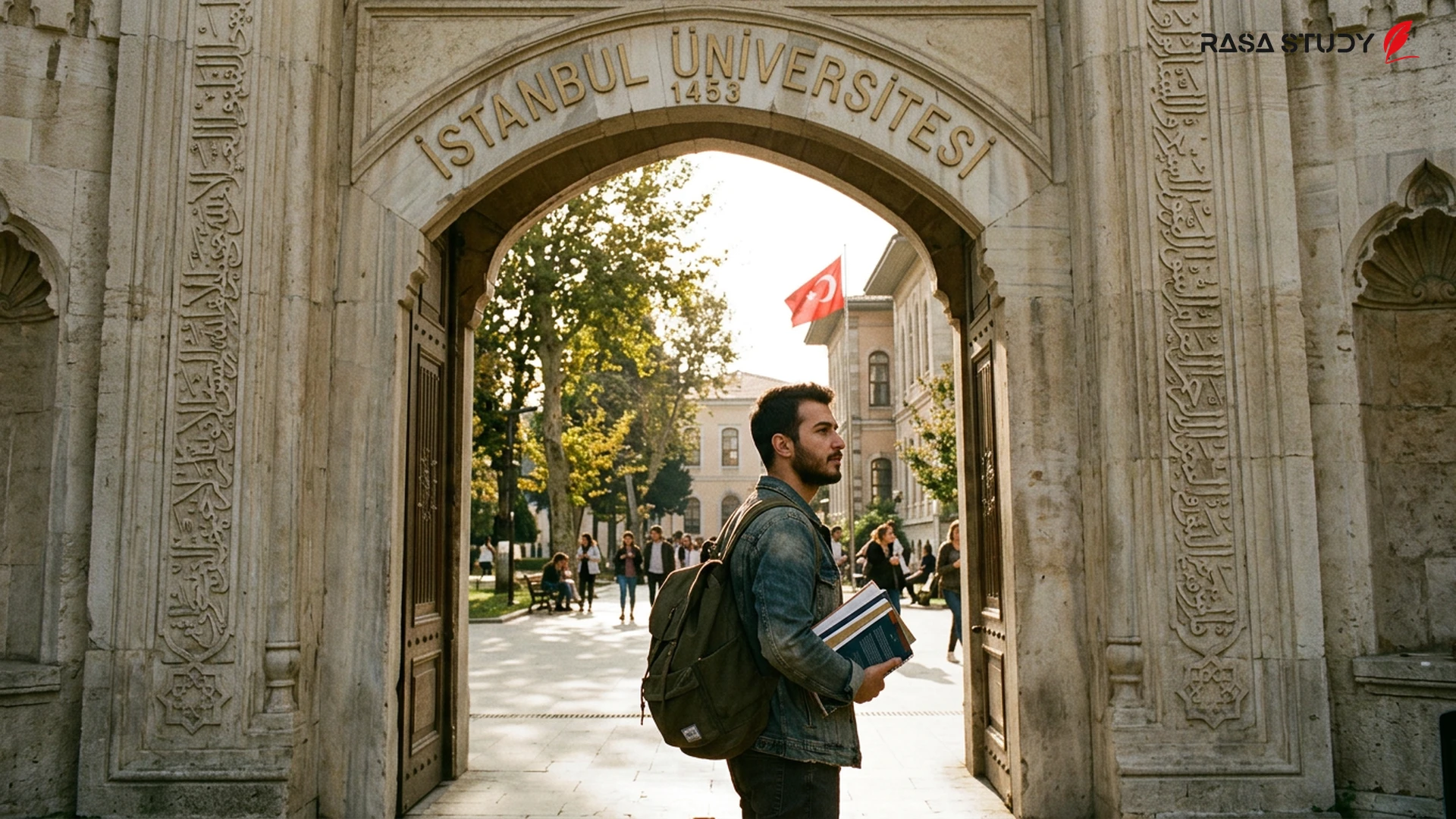
With the submission of the new student amnesty bill to the Turkish Parliament in July 2026, the path for thousands of expelled students to return to universities has been paved. This plan includes various educational levels and is considered a major step toward restoring educational rights.
Submission of the 28-Article Bill to the Grand National Assembly of Turkey (TBMM) On July 8, 2026, the Justice and Development Party (AK Parti) officially submitted a 28-article bill aimed at amending the Higher Education Law to the Presidency of the Grand National Assembly of Turkey (TBMM) [1]. This bill, much of which is dedicated to "student amnesty," was explained by Özlem Zengin, Deputy Chairperson of the ruling party group, in a press conference. The goal of this action is to provide a second chance for individuals who were forced to drop out due to various reasons, including economic or family problems [3].
Scope of Amnesty and Conditions for Returning to Study According to published details, this amnesty includes all students in associate, bachelor's, master's, and doctoral programs who disconnected from the university after July 1, 2022 [2]. Also, individuals who were accepted in entrance exams but failed to complete final registration are included in this plan. Based on predictions, eligible students can resume their education from the first semester of the 2026-2027 academic year [1].
Restrictions and Groups Excluded from the Plan The Turkish government has set clear red lines in this bill. Individuals convicted of crimes related to terrorism, intentional murder, torture, sexual assault, child abuse, and drug trafficking have no right to use this amnesty under any circumstances [4]. Additionally, those expelled for plagiarism or providing forged documents are excluded from the scope of this law [3]. Özlem Zengin emphasized that the security of university environments was the main priority in drafting this bill [6].
Deadlines and Application Process After the final approval of the bill in Parliament and its publication in the Official Gazette, applicants will have only 4 months to submit their request to the relevant university [2]. For individuals performing military service, this deadline is set at 2 months after the date of discharge [5]. Special facilities are also provided for medical and dental students who completed theoretical courses but faced issues in the internship phase to complete their practical training [4].
Supplementary Reforms in the Higher Education System This bill is not limited to student amnesty. According to news reports, heavy penalties ranging from 2 to 4 years of imprisonment are considered for unauthorized institutions issuing degrees [1]. Public universities are also allowed to open international campuses abroad by presidential decree. Furthermore, a security clearance requirement for newly hired professors is included in this law [1][3].
The Turkish Parliament is reviewing the student amnesty bill to return thousands of students to the education cycle.
linkSources
- Üniversite affı TBMM gündeminde: İlişiği kesilen öğrenciler için geri dönüş yolu açılıyor — Habere Güven (2026-07-08)
- Öğrenci affı TBMM gündemine gelecek — TRT Haber (2026-06-29)
- Üniversite affı çıktı mı, kimler yararlanabilecek? Kanun teklifi TBMM'ye sunuldu — Hürriyet (2026-07-07)
- Yükseköğretim Kanunu ve Bazı Kanunlarda Değişiklik Yapılmasına Dair Kanun Teklifi — TBMM (2026-07-02)
- AK Parti üniversiteden atılanların geri dönüşü için hazırlanan teklifi TBMM'ye sunuyor — Haberler.com (2026-06-27)


