New reports from Turkish educational institutions and the Hey Khabar media outlet indicate concerning shifts in young people's interest in higher education. Rising living costs and evolving labor market demands have placed the future of higher education under significant pressure.
Concerning Enrollment Status in Turkish Universities
According to reports published in July 2026, serious questions have been raised regarding the decline in university education rates in Turkey. The Hey Khabar media outlet addressed this issue in a recent report, questioning whether the golden age of degree-seeking in Turkey has come to an end [1]. Preliminary statistics show that in the current academic year, the number of applicants for humanities and basic sciences has faced a significant decrease. This trend, which began in 2025, has now become a national debate in mid-2026.
Economic Factors: The Main Obstacle to Higher Education
One of the primary reasons for this retreat is the cost-of-living crisis in major cities such as Istanbul, Ankara, and Izmir. According to data from the Council of Higher Education (YÖK), student housing and transportation costs have increased by more than 40 percent compared to last year [2]. Many families are no longer able to cover their children's expenses in other cities. This has led many young people to seek low-skilled jobs with immediate income right after secondary school instead of entering university, in order to contribute to the family economy.
Paradigm Shift: Skill-Based vs. Degree-Oriented
In addition to financial issues, a shift in labor market perspectives plays a crucial role. Economic reports show that the unemployment rate among university graduates in specific fields remains high [3]. This has pushed Turkey's new generation toward short-term technical and vocational training and skill-based online courses. Young people prefer to participate in six-month programming or technical skill courses that are in high demand in the labor market, rather than spending four years on a degree that does not guarantee a job.
Long-Term Consequences for Turkey's Workforce
Experts warn that a decline in university education rates could lead to a decrease in the quality of the specialized workforce in Turkey in the long run. While a focus on skills is positive, a shortage of specialists in basic sciences and advanced engineering could slow the country's technological growth. The Turkish government is considering new support plans for students to prevent further enrollment drops in the coming years, but until economic stability is established, returning to previous rates seems difficult [1][3].
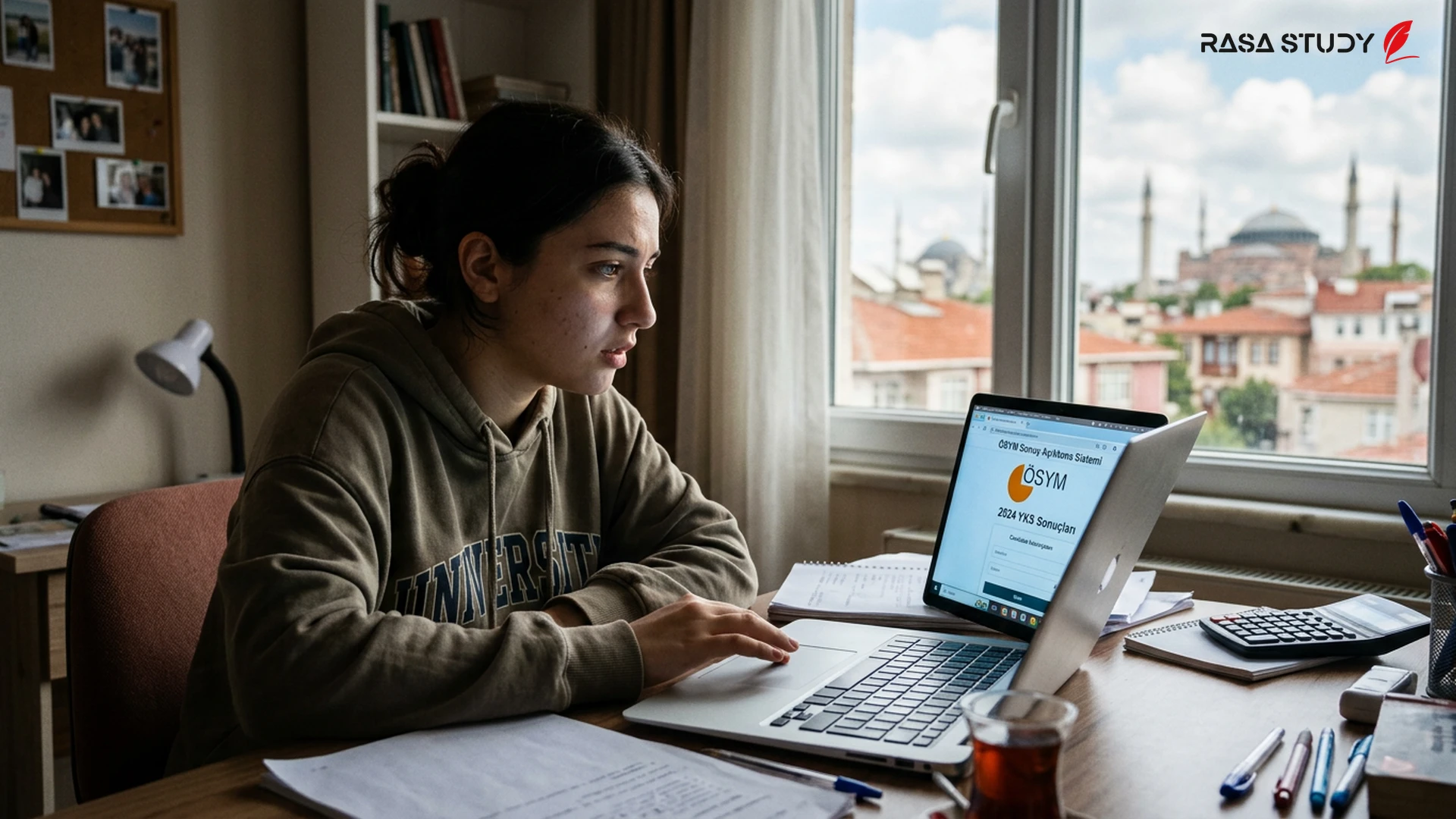
Rising living costs in Turkey have caused many young people to forgo continuing their university education.
linkSources
- TÜRKİYE’DE ÜNİVERSİTE OKUMA ORANI GERİLİYOR MU? — Hey Haber (2026-07-02)
- Yükseköğretim İstatistikleri: 2025-2026 Akademik Yılı Verileri — YÖK (Council of Higher Education) (2026-06-15)
- Ekonomik Krizin Eğitim Tercihlerine Etkisi: Gençler Neden Üniversiteden Uzaklaşıyor? — TRT Haber (2026-07-04)