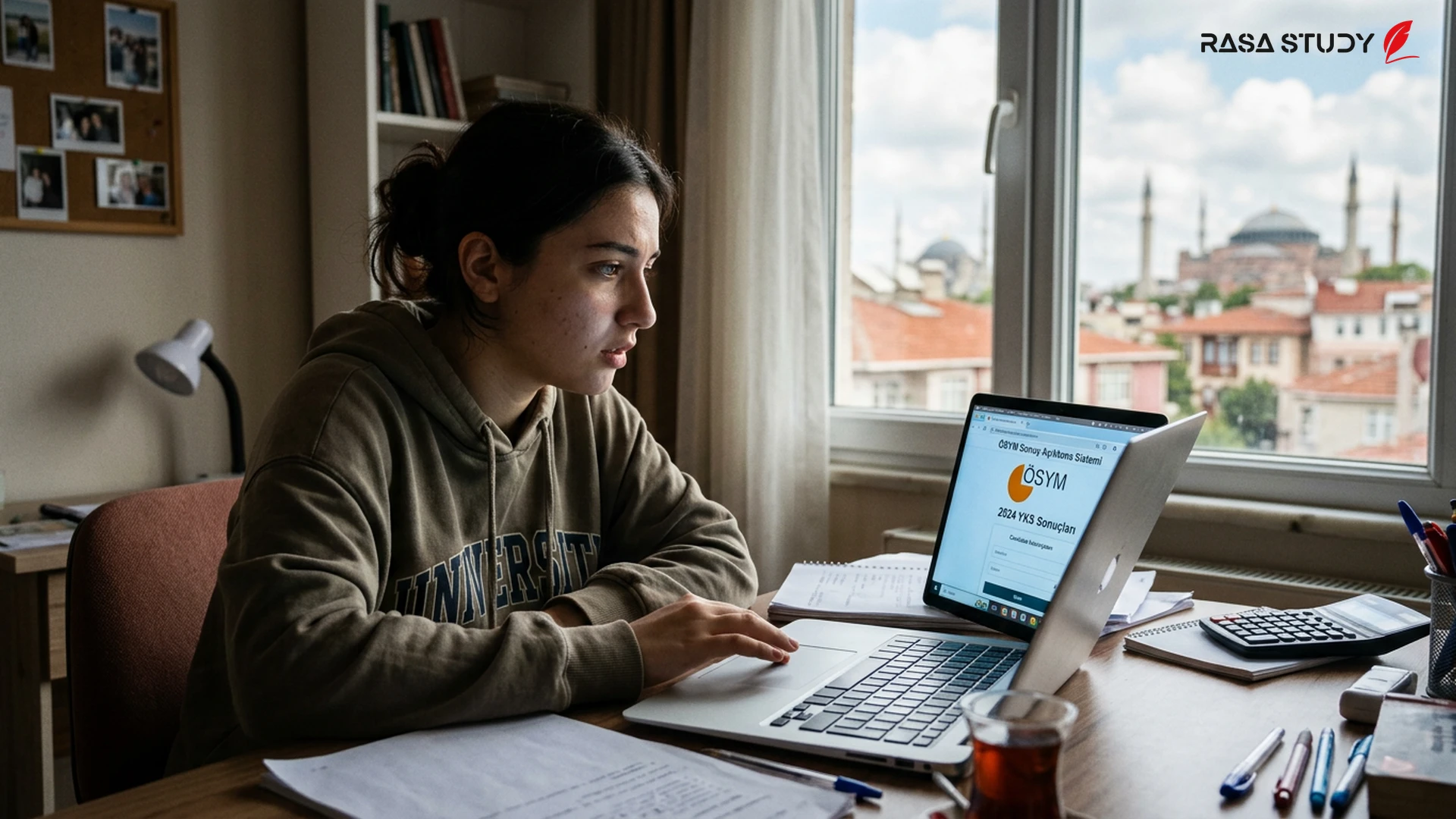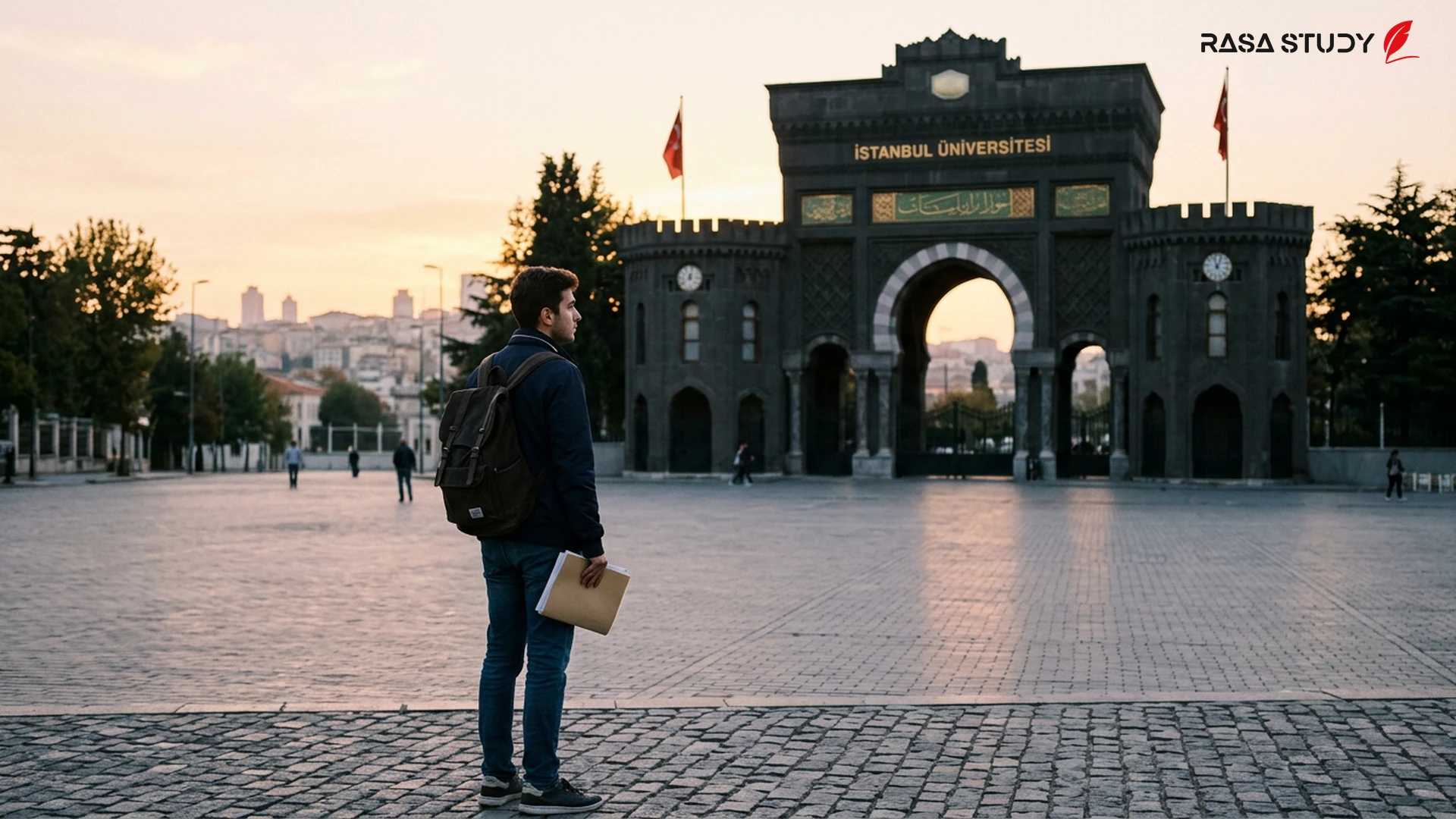
The Education Commission of the Grand National Assembly of Turkey (TBMM) today, July 15, 2026, approved a comprehensive student amnesty plan. This resolution allows thousands of expelled or withdrawn students to return to their studies in the 2026-2027 academic year.
Today, July 15, 2026, the Education, Culture, Youth, and Sports Commission of the Grand National Assembly of Turkey (TBMM) approved a proposal for a broad student amnesty after a 14-hour marathon session that lasted until dawn. The meeting, chaired by Ayşen Gürcan, concluded with the approval of 28 articles amending the Higher Education Law, paving the way for thousands of students to return to the education cycle.
Eligibility Criteria for the 2026 Student Amnesty According to this resolution, students who were expelled or voluntarily withdrew from universities from July 1, 2022, onwards due to reasons such as non-registration, absence, or exceeding the maximum allowed duration of study, are covered by this amnesty. The plan includes all academic levels, including associate, bachelor's, master's, and doctoral degrees.
Applicants are required to submit their requests to their respective universities within 4 months after the law officially comes into effect. Individuals currently performing their military service have up to 2 months after the end of their service to apply for return. Accepted students can resume their studies starting from the first semester of the 2026-2027 academic year.
Who is Excluded from the Amnesty? Turkish lawmakers have set specific restrictions to ensure the security of the educational system. Individuals convicted of terrorism, intentional homicide, sexual misconduct, torture, or drug trafficking are strictly prohibited from benefiting from this amnesty. Additionally, students of the Police Academy, the Gendarmerie and Coast Guard Academy, and the National Defense University (military centers) are excluded from this law and cannot return to these institutions.
New Reforms in the Turkish Higher Education System This legislative package goes beyond a simple amnesty and includes significant structural changes: * Combating Academic Fraud: Professors or students who have commissioned their theses, articles, or projects to others for payment (Ghostwriting) will face severe penalties, including dismissal from the profession and the annulment of academic degrees. * Support for Student Mothers: Graduate students who have children during their studies can receive up to two additional semesters of leave, which will not be counted toward their maximum allowed duration of study. * Increased Retirement Age for Professors: The retirement age for faculty members has been increased to 75 years, subject to the university's needs and approval by competent authorities. * Single-Course Exams: Facilities have been provided to hold additional exams for students who can graduate by passing only 2 or 3 remaining courses.
The meeting of the Turkish Parliament's Education Commission that led to the approval of the plan for thousands of students to return to universities.
linkSources
- Üniversitelilere öğrenci affı düzenlemesi komisyondan geçti — Sabah (2026-07-15)
- Öğrenci affı ve yükseköğretime ilişkin düzenlemeler kabul edildi — T24 (2026-07-15)
- 2026 Student Amnesty in Turkey; Thousands of Students Set to Return to Universities — Rasa Study (2026-07-14)
- Sweeping higher education reform bill cleared Turkish Parliament's Education Commission — Hürriyet Daily News (2026-07-15)
- Komisyon toplantısında anneanne oldu — Odatv (2026-07-15)