With Tehran's regional position weakened following recent tensions, new reports indicate the decisive role of Turkish influence in Iran's power structure and a fundamental shift in the Middle East balance of power; a development that has turned Ankara into the region's pivotal actor.
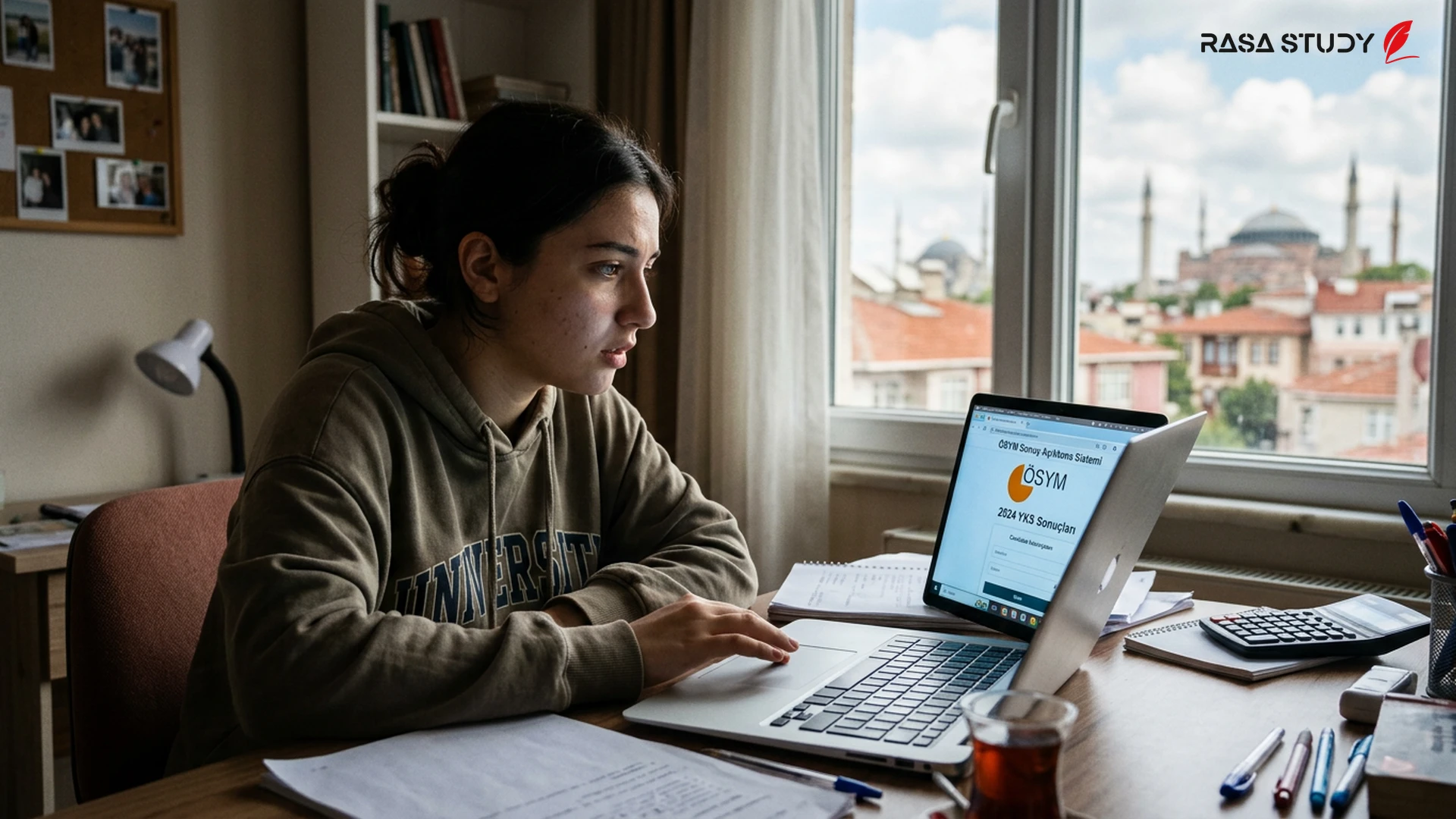
Turkish Influence at the Heart of Tehran's Decision-Making In July 2026, reports published by media outlets such as Bursa TV indicate that the discussion of Turkish influence in Iran has become one of the hottest topics in political circles. Contrary to traditional perceptions that viewed the Iran-US confrontation as the main axis of developments, new demographic and political realities are now emerging [1]. The extensive presence of Turkish-descendant figures in Iran's high-level decision-making and deep cultural ties have become key elements in directing Tehran's foreign policy and geopolitical stances. This influence is clearly visible not only in government layers but also within the fabric of Iranian civil society.
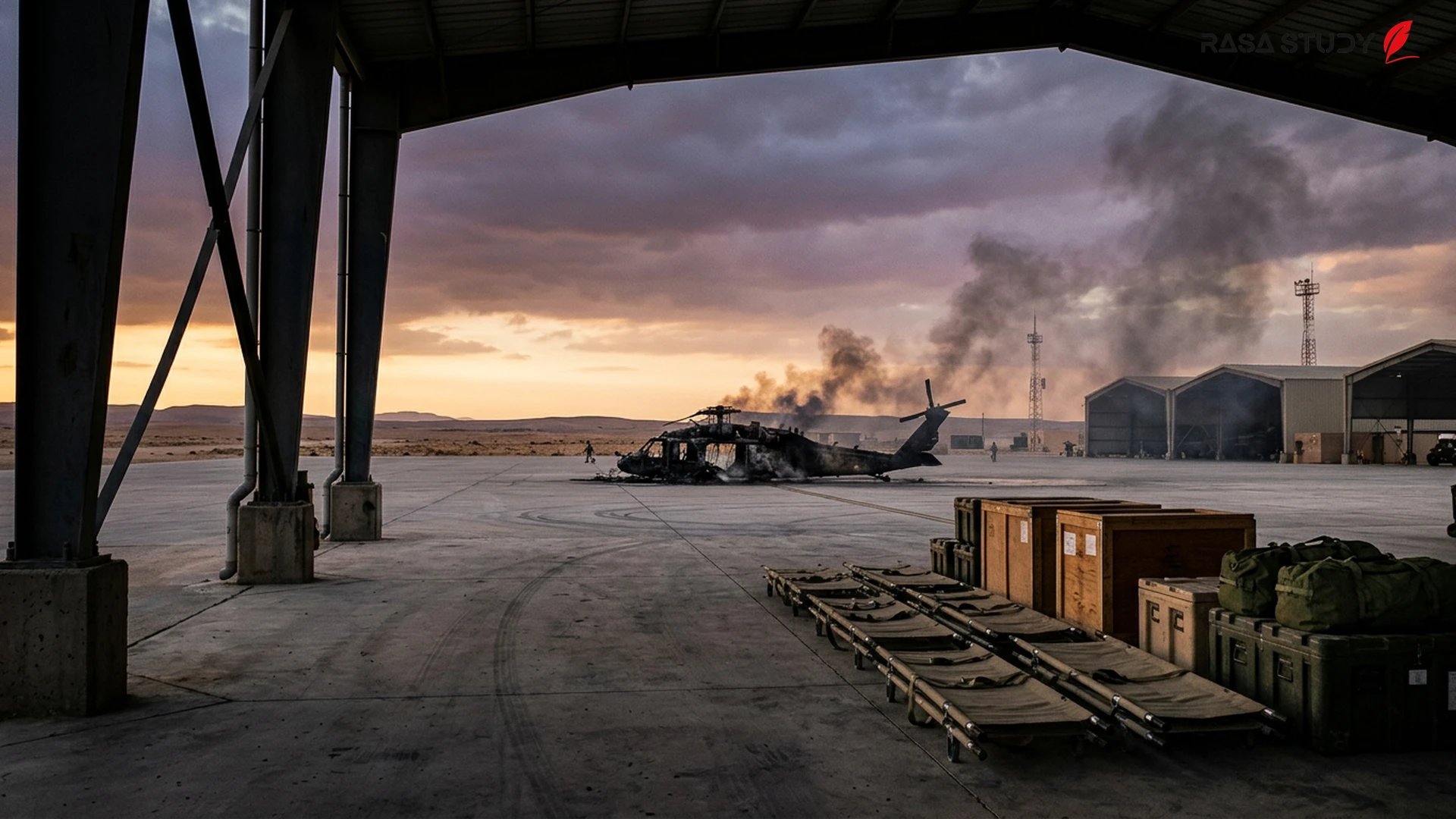
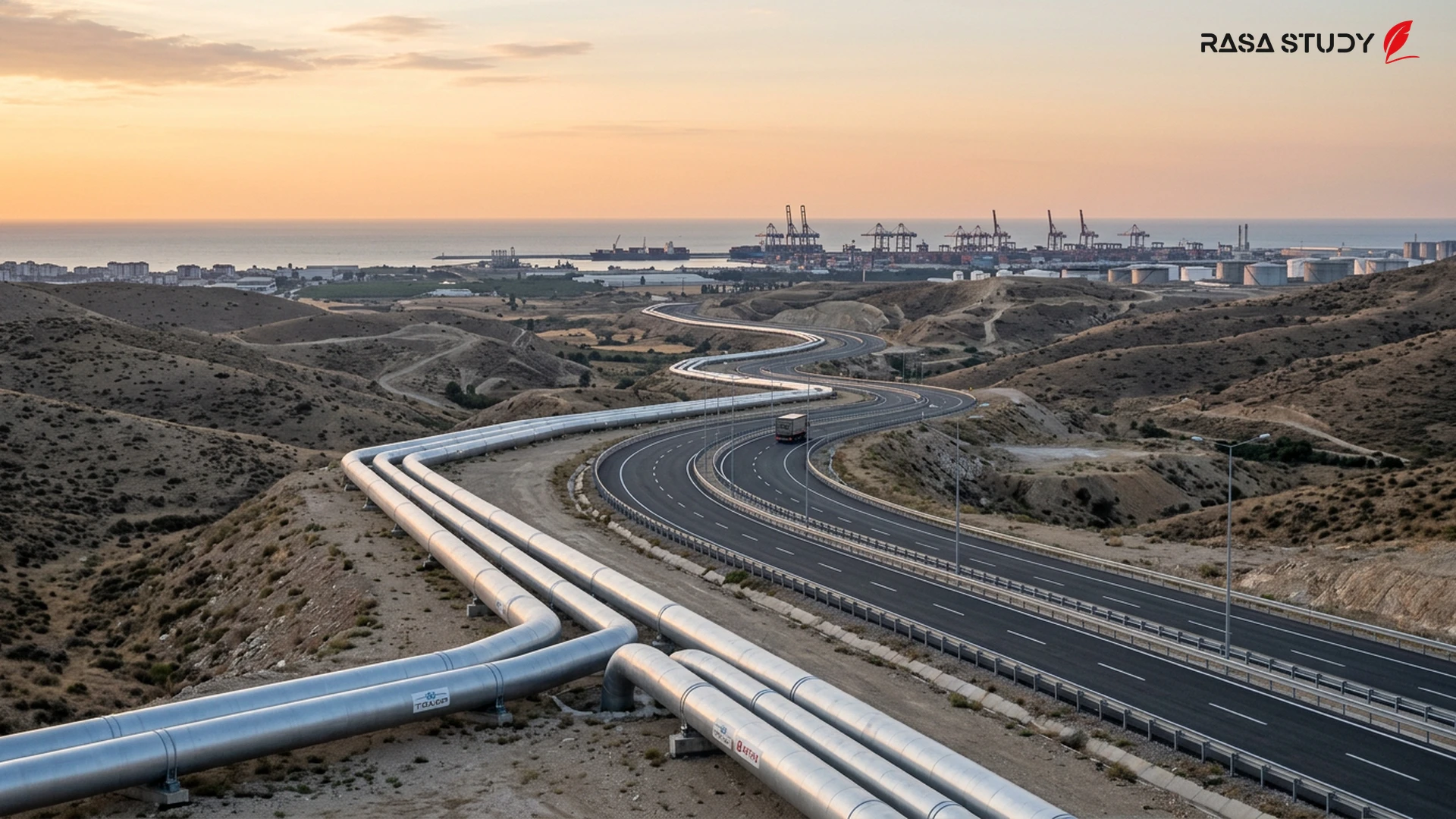
Power Vacuum and Ankara's Neo-Ottoman Strategy Following extensive military operations in 2025 that led to the weakening of Iran's strategic infrastructure, a major power vacuum has been created in the region [5]. Analysts believe Turkey has positioned itself in the best possible way to fill this vacuum. By utilizing soft power diplomacy and strengthening its defense industries, Ankara is rewriting the map of influence in the Middle East [2]. According to Forbes reports, Turkey's superiority in the Syria, Caucasus, and Iraq files has turned the country into a decisive power that possesses unique influence channels even in Iran's internal affairs, which other NATO members lack [5].
Ethnic Ties: Turkey's Strategic Leverage One of the overlooked dimensions in Western analysis is the 12 to 20 million Turkish-descendant population in northwestern Iran who share deep ties with Ankara [5]. This demographic potential has allowed Turkey to access the depths of Iranian society beyond satellite imagery. Hakan Fidan, the Turkish Foreign Minister, drawing on his experience in the Intelligence Organization (MİT), has established a network of contacts at various levels, even among Revolutionary Guard cadres, allowing Ankara to monitor and, if necessary, direct Iran's internal developments with high precision [5].
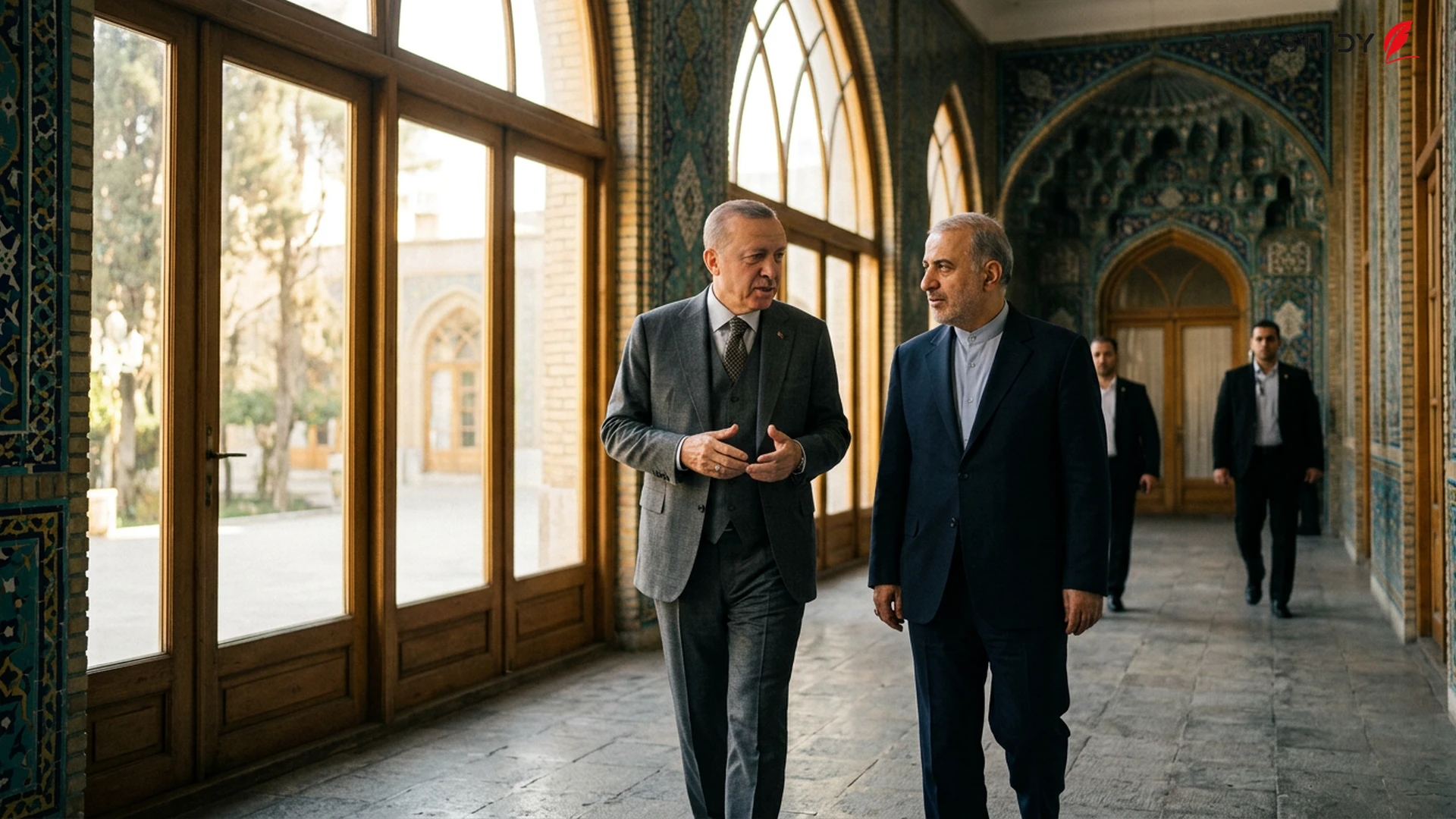
Mediation in the Shadow of Threat: The Role of Erdogan and Trump While tensions between Washington and Tehran reached their peak in early 2026, Recep Tayyip Erdogan played the role of a diplomatic savior by proposing a tripartite mediation framework [4]. By maintaining its NATO commitments while simultaneously keeping communication channels open with Masoud Pezeshkian's government, Turkey has sought to prevent an all-out conflict that could have led to the total collapse of the regional order [3]. This dual role has turned Turkey into the only bridge capable of connecting the conflicting interests of major powers and regional actors [4].
Shifting balance of power in the Middle East; Turkey emerges as the pivotal actor in Tehran's new equations.
linkSources
- İran’da Türk etkisi ve Ortadoğu’daki yeni güç dengeleri tartışılıyor — Bursa TV (2026-07-19)
- Turkey’s Ambitions: A Neo-Ottoman Power for the 21st Century — Forbes (2026-07-13)
- The Iran war is fundamentally redefining politics in the Middle East — Chatham House (2026-06-05)
- Iran-Turkey Diplomatic Engagement Amidst Regional Risk — Special Eurasia (2026-01-31)
- Türkiye-İran İlişkilerinde Yeni Dönem: Forbes Analizi — SDE (2026-06-26)