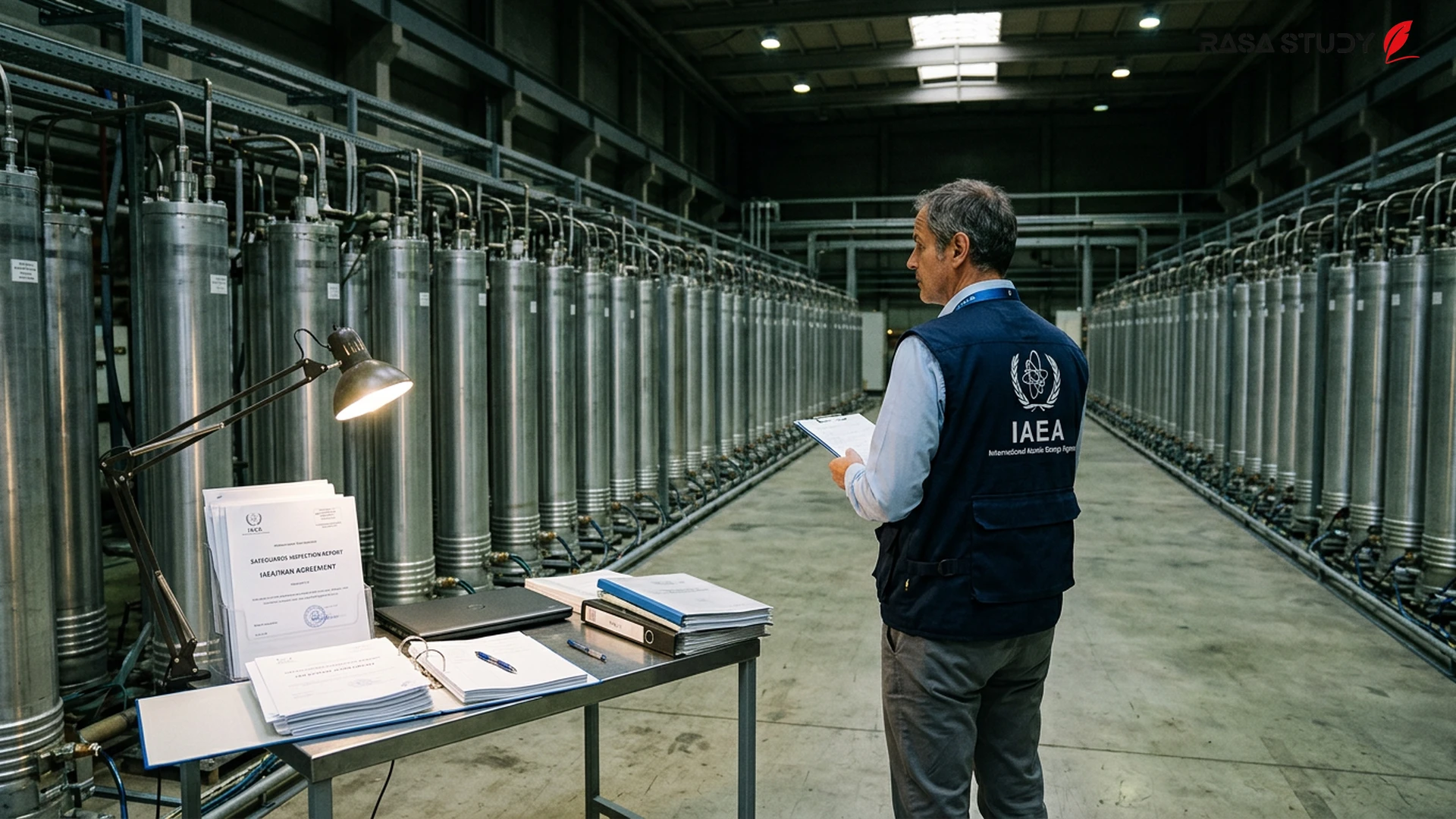
The United Nations, in a recent Security Council meeting, warned of the critical state of monitoring Iran's nuclear activities and called on all parties to cooperate with 'good faith' to reach a sustainable diplomatic solution.
The Necessity of Diplomacy Amid Unprecedented Tensions On July 10, 2026, Rosemary DiCarlo, UN Under-Secretary-General for Political Affairs, presented a message from Antonio Guterres to the Security Council emphasizing the vital importance of returning to the negotiating table. According to reports published by Anadolu Agency, the UN believes that despite deep differences, diplomacy is the only peaceful way to resolve the Iranian nuclear deadlock and ensure regional security [1]. This call comes as the region has witnessed intense military tensions in recent months.
Monitoring Crisis: Loss of IAEA 'Continuity of Knowledge' One of the most concerning parts of the UN report was the announcement that the International Atomic Energy Agency (IAEA) has lost its 'continuity of knowledge' regarding all of Iran's declared nuclear facilities. This situation intensified following airstrikes in February 2026, which prevented IAEA inspectors from verifying activities related to centrifuge production, heavy water, and enriched uranium stockpiles [2]. Rosemary DiCarlo noted in her statement that without monitoring access, it has become impossible for the international community to accurately assess the status of Iran's nuclear program [3].
Islamabad Memorandum; A Window for a New Agreement? Despite the dark atmosphere surrounding the negotiations, the UN pointed to the 'Islamabad Memorandum of Understanding' signed on June 17, 2026, between Iran and the United States as a positive step. This memorandum includes agreements to determine the status of enriched material stockpiles and their dilution under IAEA supervision [1]. The UN urged the parties to use this framework as a basis for more comprehensive negotiations to prevent further escalation of conflicts [2].
Divide in the Security Council over Resolution 2231 The recent Security Council meeting also highlighted a deep rift among global powers. While Western countries emphasized the need to pressure Iran to return to its commitments, Russia and China opposed holding the meeting. These two countries argue that given the technical expiration of Resolution 2231 in October 2025, the Security Council no longer has a mandate to review the Iranian nuclear file under this title [3]. This diplomatic stalemate has posed a serious challenge to efforts to reach a global consensus.
UN Security Council meeting to review the implementation of Resolution 2231 and the status of IAEA monitoring in Iran.
linkSources
- UN calls for 'good-faith' talks to secure lasting resolution of Iran nuclear issue — Anadolu Agency (2026-07-10)
- Security Council LIVE: 'Lost continuity of knowledge' on Iran's nuclear programme since US-Israel attacks — UN News (2026-07-10)
- UN official cites 'lost continuity of knowledge' on Iran's nuclear programme — Security Council Report (2026-07-10)


