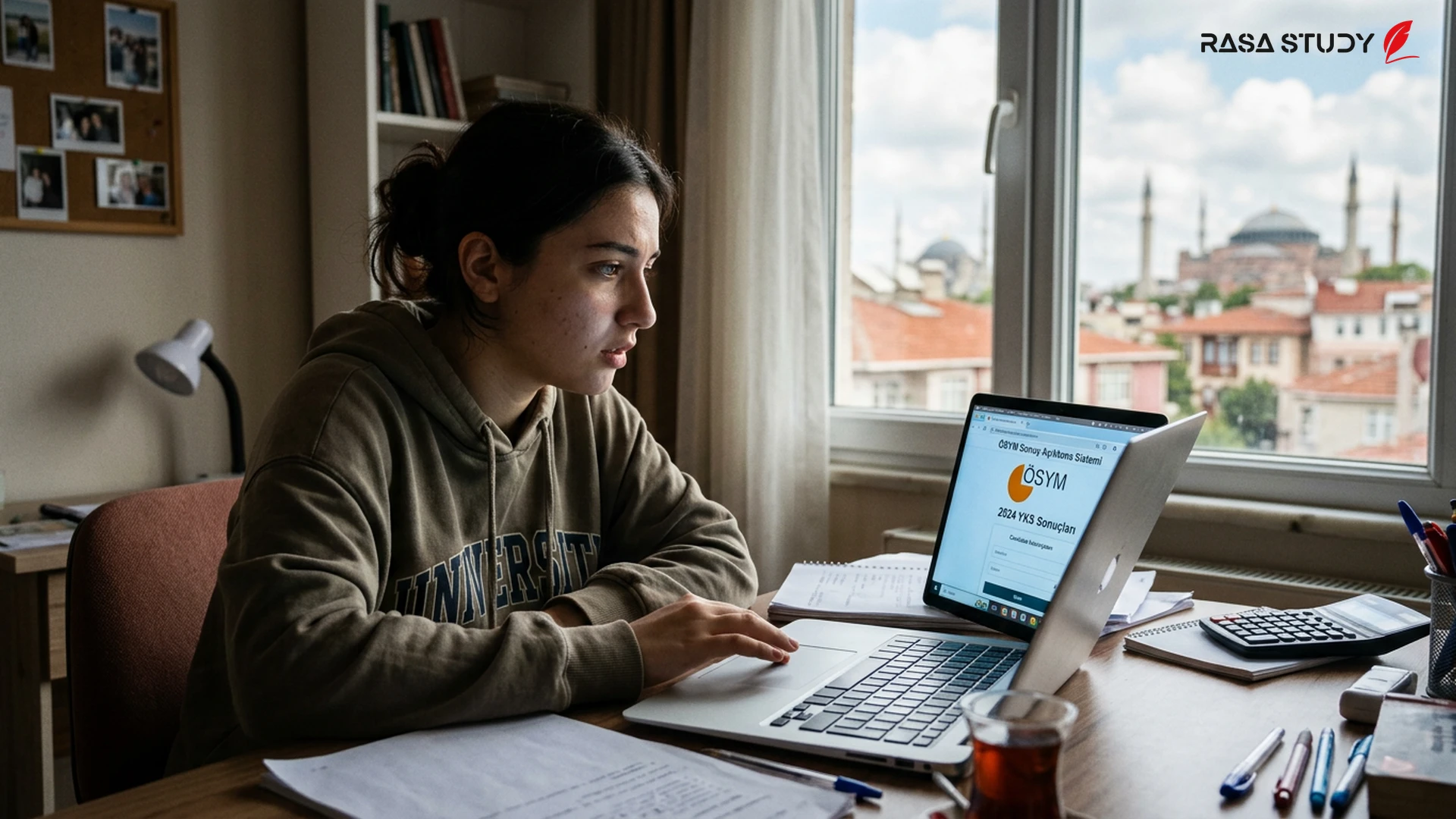
On the eve of the new academic year, reports published in July 2026 indicate that tuition and student living costs in Turkey have reached their highest historical levels, exerting unprecedented financial pressure on families.
Education Cost Crisis in 2026 As the university enrollment season for the 2026-2027 academic year approaches, new data shows a staggering jump in educational expenses. According to a report by the media outlet "Kronos," the basic costs for a student, including tuition, accommodation, and food, have reached new records that align with the annual inflation rate in the education sector [1]. This situation has caused many students to hesitate about continuing their education in major cities. ## Skyrocketing Private University Tuition Private universities in Turkey have increased their rates by between 80% and 120% for the new academic year. Based on analyses published in economic media, tuition for some popular fields such as medicine and engineering at top-tier Istanbul universities has now surpassed the one million Lira per year mark [2]. These price increases have not only targeted the middle class but have turned access to quality higher education into a privilege for the wealthy. ## Housing Challenges and Living Expenses Beyond tuition, the housing crisis is the biggest obstacle for students in 2026. Rents for private dormitories and student apartments in cities such as Ankara and Izmir have grown by more than 90% compared to the previous calendar year [3]. Reports indicate that the average monthly cost for a student, including transportation and food, now exceeds 35,000 Lira, which is significantly higher than the current minimum wage [1]. ## Social and Economic Consequences Experts warn that this "educational inflation" could lead to a decrease in university enrollment rates and an increase in dropout rates. Many students are forced to take on full-time jobs alongside their studies, which severely affects their educational quality [3]. The Turkish government is under pressure to provide new support packages, including low-interest student loans and housing subsidies, but to date, these measures have failed to keep pace with the rate of price increases.
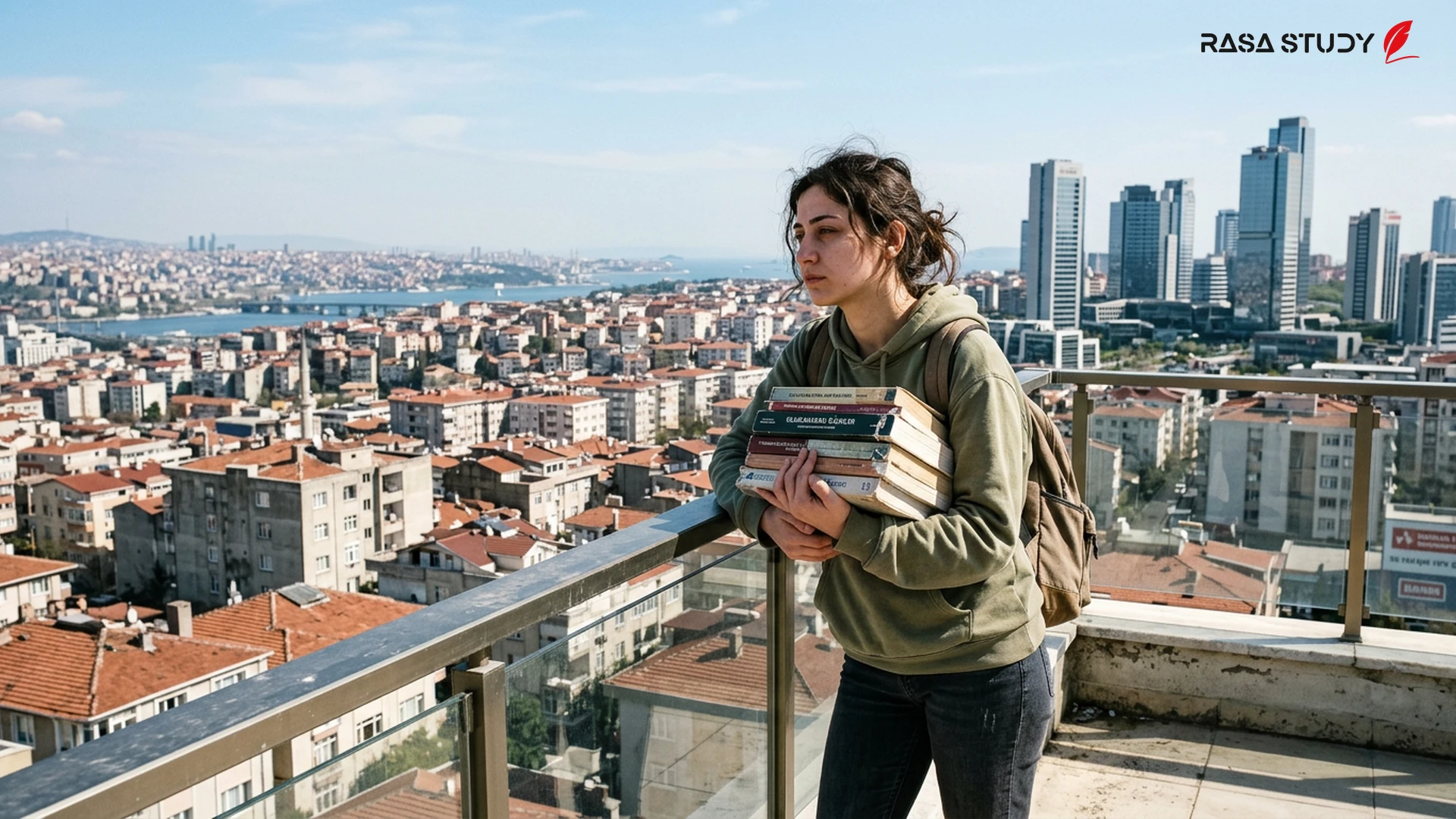
The rising cost of living in major Turkish cities has made continuing education difficult for many students in 2026.
linkSources
- Üniversite masrafı rekor seviyeye çıktı: Aylık gider 35 bin TL'yi aştı — Kronos News (2026-07-05)
- 2026-2027 Akademik Yılı: Özel Üniversite Ücretlerinde Dev Artış — Hürriyet (2026-07-03)
- Türkiye'de Eğitim Enflasyonu ve Barınma Krizi — Bloomberg HT (2026-07-01)