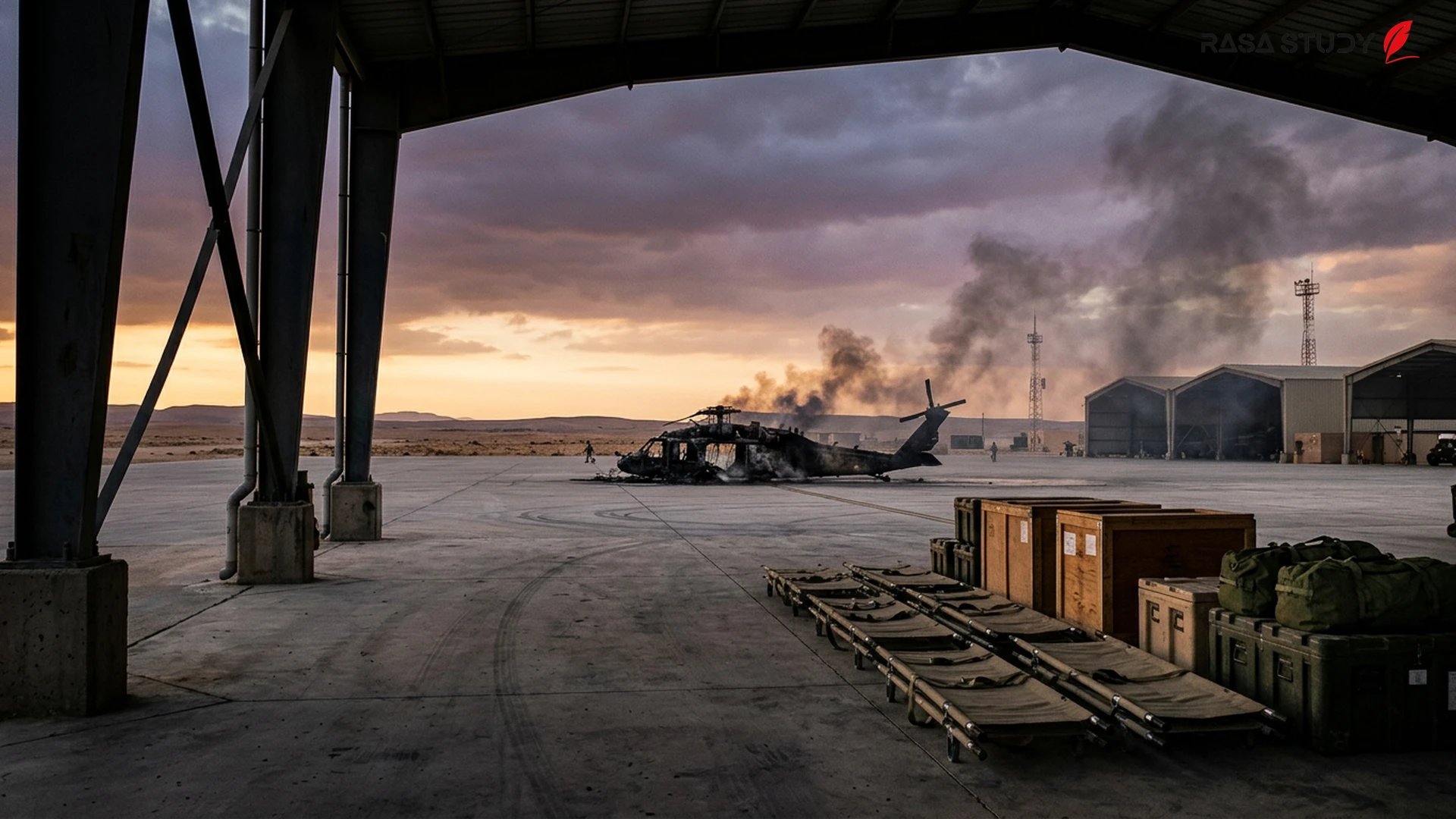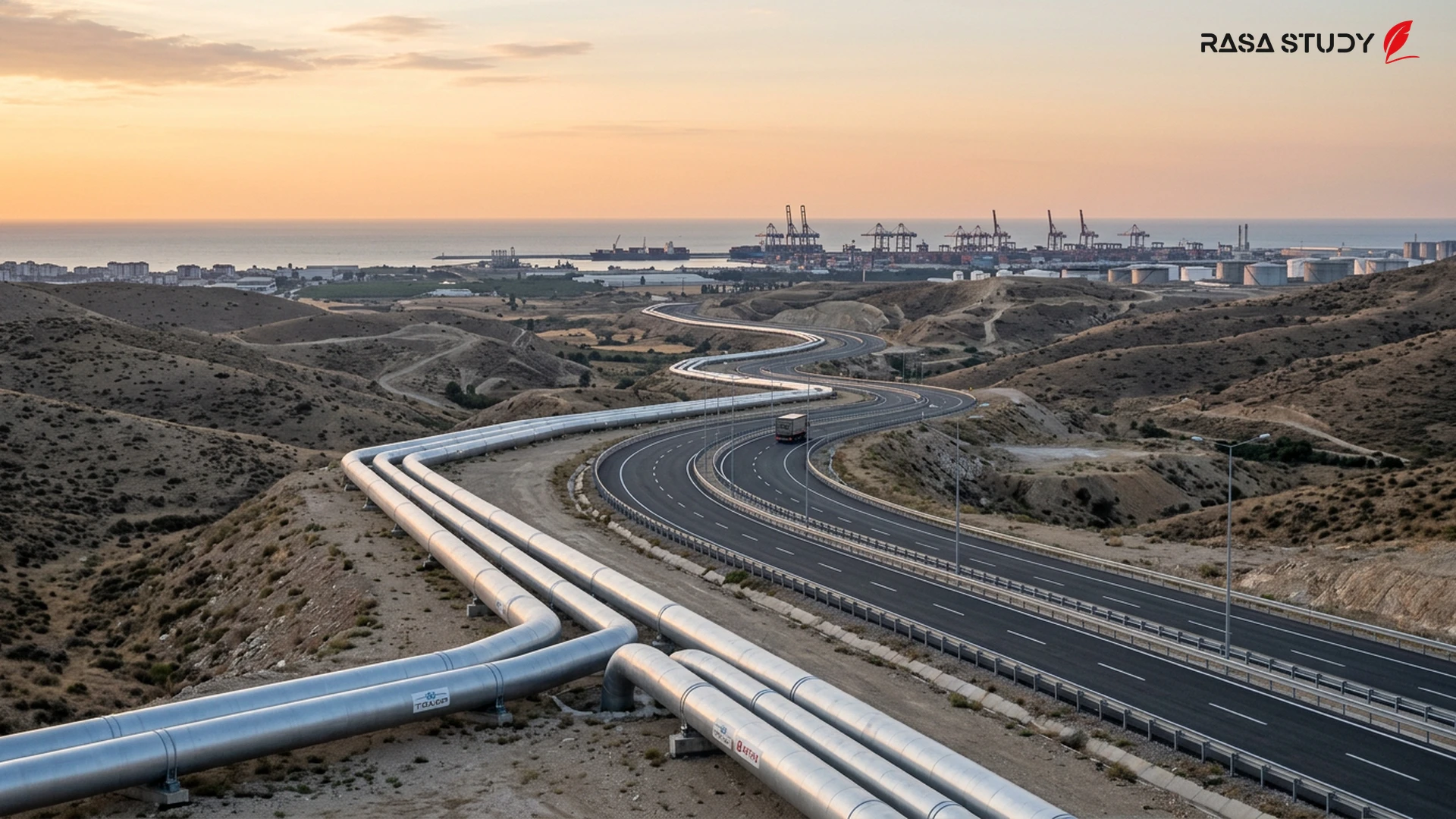
In the sixth consecutive night of heavy United States strikes, civilian and strategic infrastructure in Iran's southern provinces were targeted, resulting in casualties and a serious energy grid crisis.
Following an unprecedented escalation of tensions in the Persian Gulf, the United States Central Command (CENTCOM) announced that it has successfully completed its sixth wave of airstrikes against targets on Iranian soil. This operation, conducted under the direct order of US President Donald Trump, has for the first time this week directly targeted the country's civilian and logistical infrastructure [1][5].
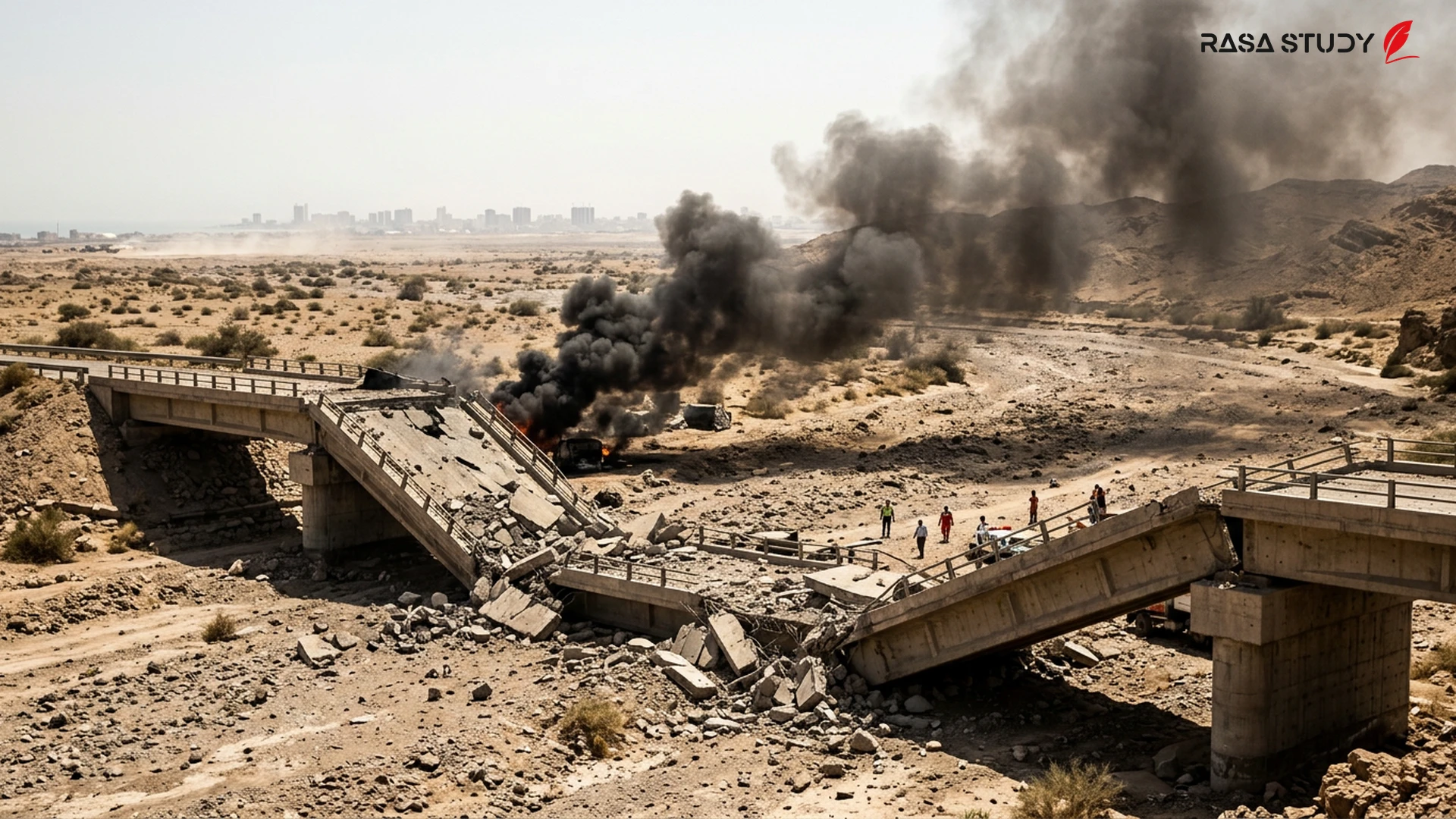
Destruction of Bridges and Transport Hubs in Southern Iran Official reports indicate that US fighter jets and drones, using precision-guided munitions, destroyed six key bridges in the Khamir County of Hormozgan Province [1][4]. These bridges were considered vital transit routes toward Bandar Abbas. Additionally, Iranshahr Airport in the southeast and the Bandar Abbas railway station were hit, causing a complete halt to the movement of goods and passengers in these regions [3][4].
Energy Crisis and Conservation Calls Iran's Ministry of Energy stated in a communique that last night's attacks on power facilities in the south have placed the national grid under extreme pressure. Following damage to several distribution substations and power plants, authorities have urged citizens to conserve electricity and limit the use of cooling systems to prevent widespread blackouts [2][3]. Temperatures in southern Iran are currently extremely high, and power outages could lead to a humanitarian disaster.
Human Casualties and International Reactions According to statistics released by the Ministry of Health, at least 8 people were killed and 20 others injured in last night's attacks, with women and children among the victims [1][2]. The total death toll from the past week of attacks has now reached 38, with more than 400 wounded [3]. Human rights organizations have warned that targeting civilian infrastructure with no military use could constitute a war crime [2].
Tehran's Retaliation and Blockage of Trade Routes In response to these attacks, Iran launched missiles and deployed drones toward the facilities of US allies in the region. Reports show that a power plant and a desalination facility in Kuwait were targeted and damaged [3]. Furthermore, maritime traffic in the Strait of Hormuz has dropped to a minimum due to potential mining and the presence of warships, causing a sudden spike in global energy prices [4].
Destroyed bridges in Hormozgan Province that have cut off main transit routes to Bandar Abbas.
linkSources
- هشت شهید و ۲۰ مجروح، پیامد تداوم حملات آمریکا به زیرساختهای برخی استانها — IRNA (2026-07-17)
- US hits civilian infrastructure as it expands strikes against Iran — The Guardian (2026-07-17)
- US strikes hit airport, bridges and railway station in Iran — CBS News (2026-07-17)
- ABD, İran'a yönelik son saldırılarında altyapı tesislerini hedef aldı — BirGün (2026-07-17)
- ABD İran'ı Yeniden Vurdu - Kıbrıs Türk Haber — Kıbrıs Türk Haber (2026-07-14)