With the announcement of an agreement between the United States and Iran in June 2026 to end military hostilities, the Turkish economy, which was under severe pressure from inflation and energy costs, now faces a prospect of stability and commercial revival.
The announcement of the agreement between Washington and Tehran in mid-June 2026, following months of military tension that began in February of this year, has created a wave of optimism in regional markets. For Turkey, which as a major neighbor of Iran has always suffered from geopolitical instabilities, this agreement means a reduction in financial pressures and a return to the path of economic growth [1].
Reducing Energy Costs and Curbing Inflation One of the most tangible results of this agreement for Ankara is the collapse of global oil prices. During the conflict, Brent oil prices had reached over $110 per barrel, putting additional pressure on Turkey's trade balance. With the announcement of the understanding, prices have returned to the $80 range [4]. Experts predict that this price reduction could decrease Turkey's energy import bill from $100 billion to approximately $75 billion [1]. Mehmet Şimşek, Turkey's Finance Minister, previously noted that the recent war added 5 percentage points to the country's inflation rate; therefore, the current calm could accelerate the disinflation process [1].
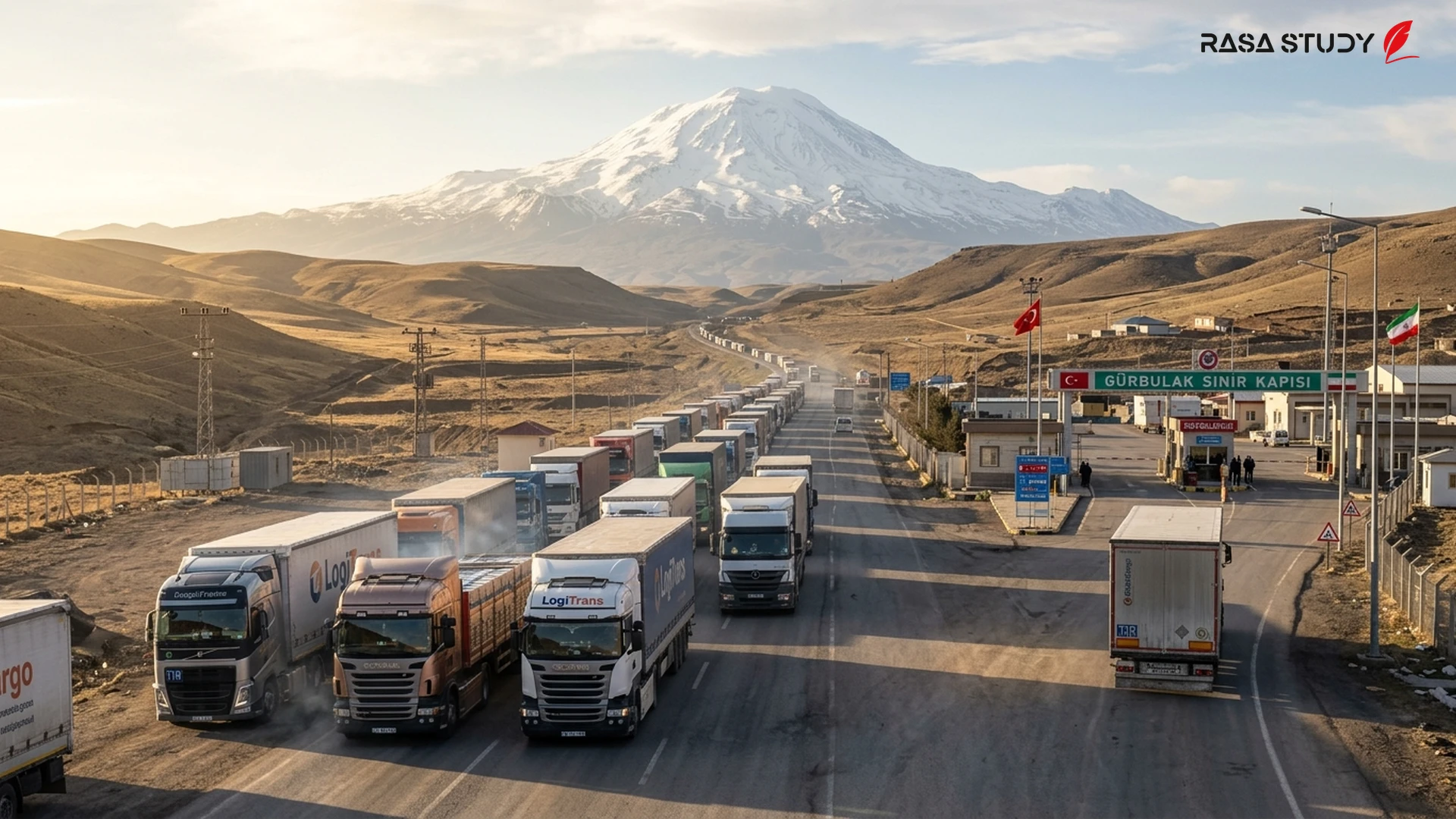
Revival of Border Trade and Reopening the Strait of Hormuz The reopening of the Strait of Hormuz and the lifting of the maritime blockade on Iran are key to reviving commercial exchanges. Turkey and Iran had previously set a $30 billion annual trade target, which had been hindered by sanctions and recent conflicts [2]. Now, with the potential lifting of banking and transit restrictions, Turkey's manufacturing and export sectors expect Iranian markets to reopen to Turkish goods. Additionally, the return of security to international transport routes will significantly reduce logistics costs for merchants in both countries [4].
Positive Reaction from Financial Markets and Borsa Istanbul Turkey's financial markets immediately reacted to this news. The Borsa Istanbul index (BIST 100) jumped by 3%, and Turkey's Credit Default Swap (CDS) rate reached its lowest level since February 2026 [2]. This indicates a return of foreign investor confidence in regional stability. Recep Tayyip Erdoğan, the President of Turkey, welcomed the agreement, describing it as a "breath of fresh air for the region" and emphasized the mediating role of countries such as Pakistan and Qatar [3].
Remaining Challenges and Diplomatic Caution Despite the optimism, Turkish security officials continue to emphasize the need for caution. İbrahim Kalın, head of the National Intelligence Organization (MIT), warned that final negotiations for the full implementation of the agreement will be very difficult and complex [3]. There are also concerns about potential attempts to sabotage this peace process. However, for the Turkish economy, which seeks to attract foreign investment and stabilize the Lira in 2026, any de-escalation between Iran and the US is considered a strategic victory [5].
Positive reaction of Turkish financial markets to the announcement of the peace agreement between Iran and the United States in June 2026.
linkSources
- ABD-İran anlaşması Türkiye ekonomisini nasıl etkileyebilir? — T24 / BBC Türkçe (2026-06-16)
- Global markets rally as US-Iran peace deal boosts risk appetite — Yeni Şafak English (2026-06-15)
- پیشبینی رئیس اطلاعات ترکیه از مذاکرات ایران و آمریکا: بسیار دشوار است — Etemad Online (2026-06-16)
- ABD-İran anlaşması sonrası gözler petrol arzının toparlanma hızına çevrildi — Anadolu Ajansı (2026-06-16)
- Experts React: The US and Iran Reach an Agreement — Middle East Institute (2026-06-14)


