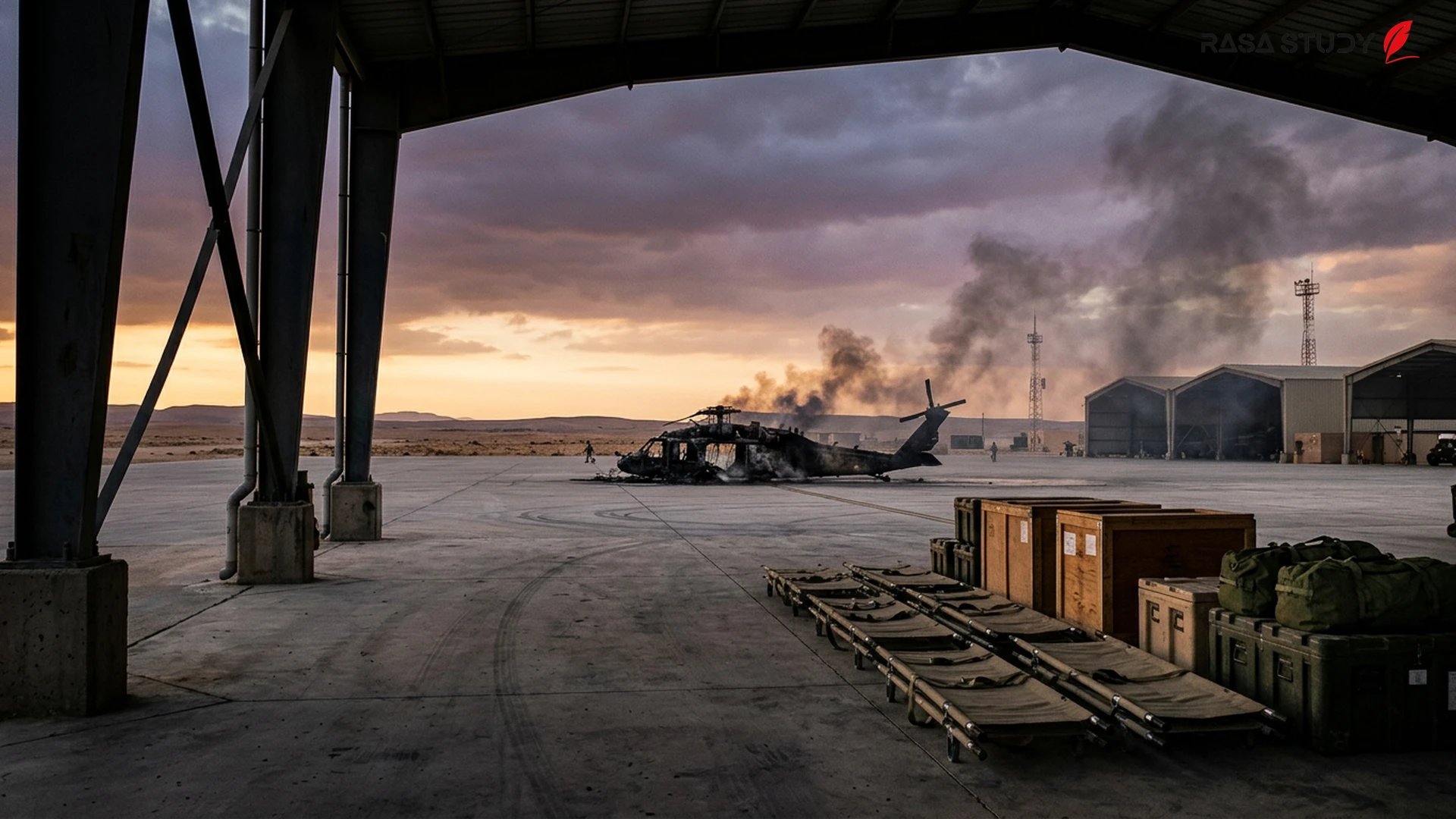
Following the announcement of a diplomatic memorandum of understanding between the United States and Iran on June 16, 2026, a wave of international support has swept the globe, with world leaders describing the event as a "historic step."
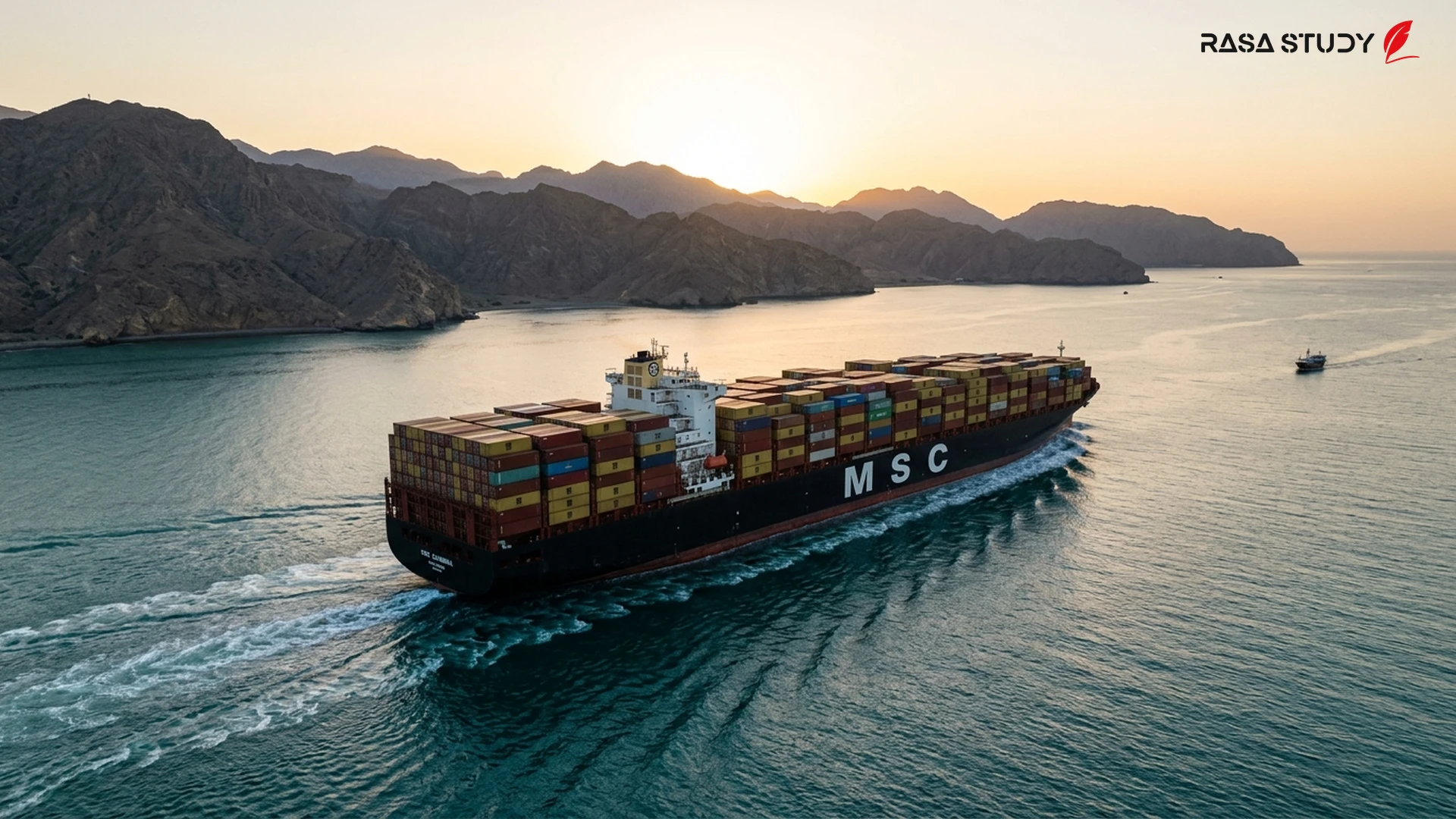
A New Chapter in Middle East Diplomacy Today, June 16, 2026, the world woke up to hopeful news. The United States and Iran have reached a Memorandum of Understanding (MOU) aimed at ending months of military conflict and restoring stability to the region. According to reports, the agreement includes a 60-day ceasefire and the immediate reopening of the Strait of Hormuz, which plays a vital role in global energy supply [1]. James David Vance, the Vice President of the United States, confirmed that the memorandum was signed digitally, with an official signing ceremony scheduled for June 19 in Geneva, Switzerland [5].
Broad International Support and the Key Role of Mediators Achieving this agreement would not have been possible without the continuous efforts of regional mediators. United Nations Secretary-General Antonio Guterres welcomed the deal, describing it as a "vital step" toward ending the crisis and expressed gratitude for the roles of Pakistan, Qatar, Turkey, and Egypt in facilitating the talks [2]. Turkish President Recep Tayyip Erdogan also called the development a "major breakthrough for regional peace" and emphasized his country's readiness to support the full implementation of the agreement's terms [3]. European countries and G7 members also declared their support for this diplomatic path in separate statements.
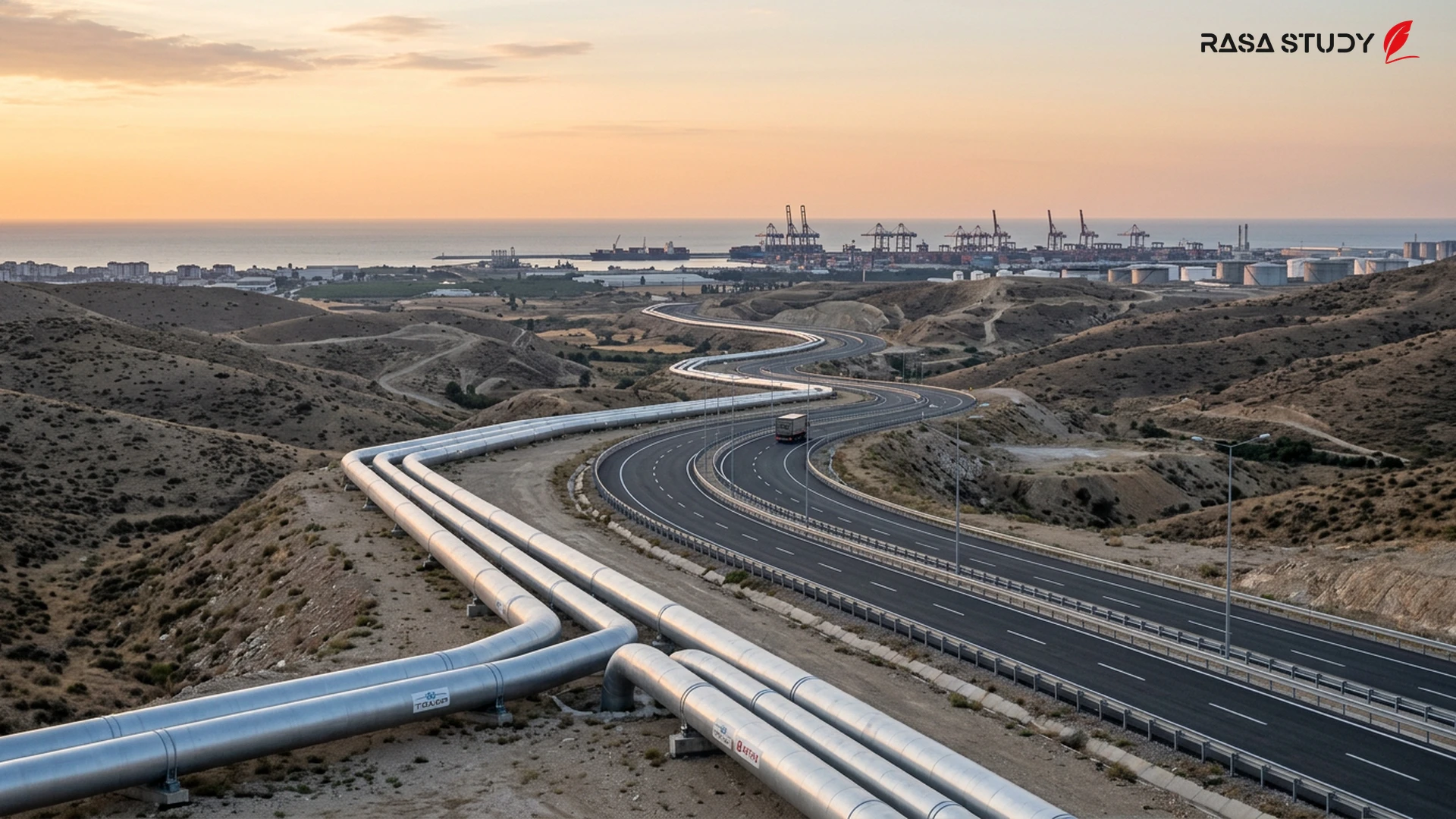
Immediate Impact on Global Markets and Energy Security The announcement of the agreement and the reopening of the Strait of Hormuz had an immediate impact on the global economy. Brent crude oil prices fell significantly to below $84 per barrel, reflecting reduced concerns over energy supply disruptions [1]. The agreement also includes a framework for future negotiations regarding Iran's nuclear program and the lifting of economic sanctions, which could pave the way for the return of billions of dollars in frozen Iranian assets [5].
Challenges Ahead and the Path to Lasting Peace Despite current optimism, analysts warn that this memorandum is more of a "pause" in hostilities than a comprehensive peace treaty. Complex issues such as the precise details of nuclear monitoring and regional security arrangements still require intensive negotiations during the 60-day ceasefire period [4]. However, the presence of high-ranking officials at the upcoming ceremony in Geneva indicates a serious will on both sides to move past previous deadlocks and toward a sustainable agreement [5].
The June 2026 agreement between Tehran and Washington revived hopes for ending the crisis in the Middle East.
linkSources
- World reacts as Iran and US reach tentative deal to end war — Al Jazeera (2026-06-15)
- Guterres welcomes US-Iran peace deal as 'critical step' toward ending conflict — UN News (2026-06-14)
- Erdoğan hails US-Iran deal for regional peace — Yeni Şafak (2026-06-15)
- US-Iran agreement is more pause than peace — Asia Times (2026-06-16)
- The United States and Iran Announce a Deal to End the War — CSIS (2026-06-15)