Donald Trump, the US President, on the eve of his 80th birthday, announced a historic peace agreement with Iran; however, the secrecy in publishing the details of this memorandum has placed him at the center of sharp criticism from both political factions.
On the evening of June 14, 2026, coinciding with Donald Trump's 80th birthday, he announced what he called a "Grand Bargain" with Iran via a post on the social network Truth Social. This announcement, achieved through Pakistani mediation after months of intensive negotiations, immediately affected global markets but simultaneously sparked a wave of doubt and criticism within the United States [1][2].
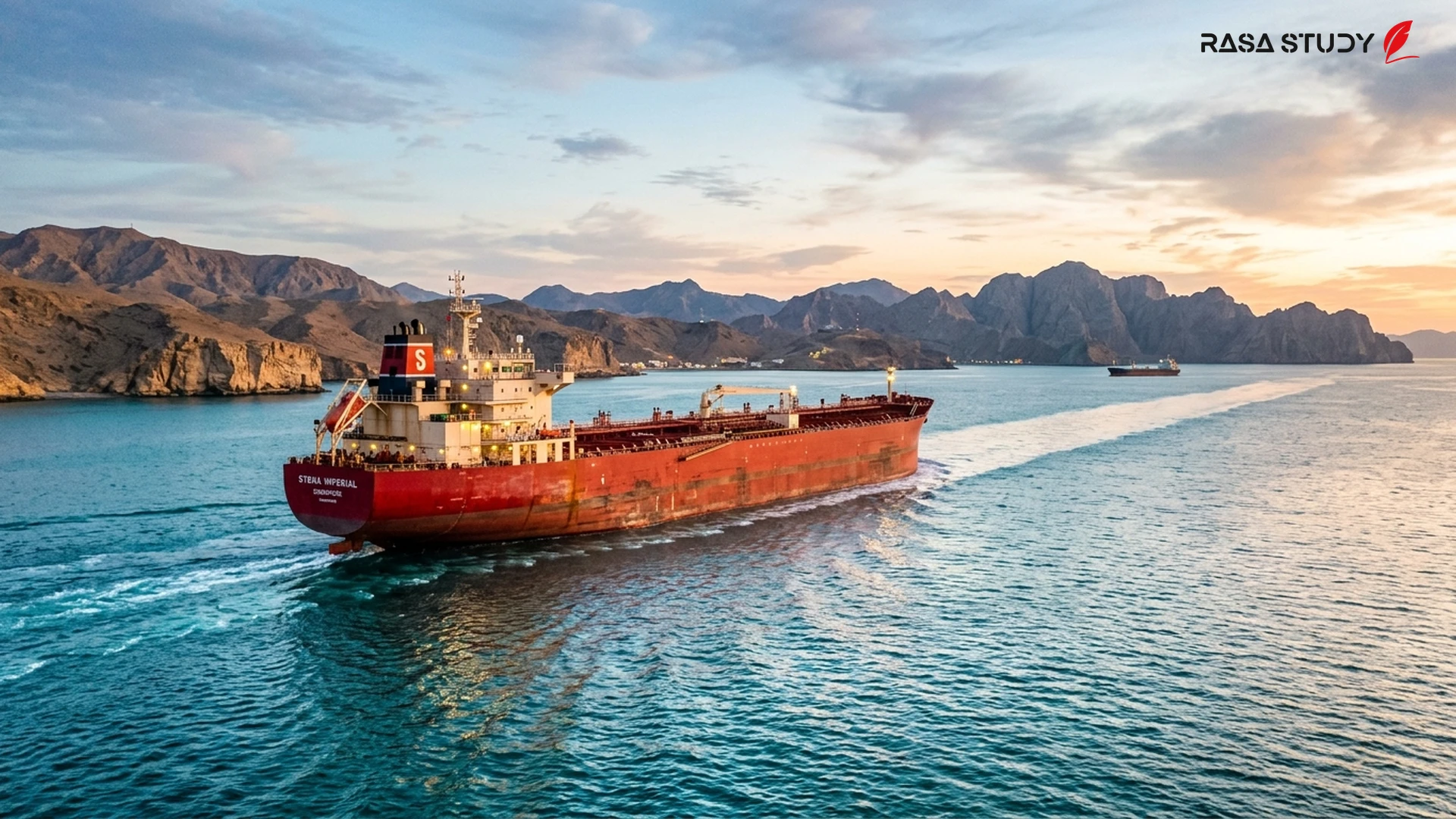
Reopening of the Strait of Hormuz and Immediate Market Reaction One of the most tangible results of this agreement emphasized by Trump is the immediate reopening of the Strait of Hormuz and the end of the US naval blockade of Iran. Using the phrase "Let the oil flow," Trump announced that minesweeping operations began on Friday and trade routes will open [1]. This news caused oil prices to drop by 3%, reaching $83.75 per barrel [3]. Conversely, the price of gold, as a safe-haven investment, rose significantly to $4325 per ounce, reflecting investors' simultaneous fear and hope regarding the sustainability of this deal [3][5].
Nuclear Ambiguities and Sharp Criticism in Washington Despite Trump's optimism, the lack of written details in the official announcement has drawn the ire of analysts and politicians from both parties. Critics point out that the released statements make no mention of the fate of Iran's enriched uranium or missile restrictions [2]. Tommy Vietor, a former White House official, believes that Trump was merely looking to end the war at any cost without achieving his main objectives [1]. Additionally, reports from diplomatic sources indicate that the text of the Memorandum of Understanding (MOU) includes a 60-day ceasefire that also covers Lebanon, but its finalization is subject to the approval of Iran's Supreme Leaders [2][4].
The Role of Mediators and the Path Ahead to Switzerland Reports indicate that Shehbaz Sharif, the Prime Minister of Pakistan, played a key role in bringing the views of Washington and Tehran closer together [2]. According to the announced schedule, the official signing ceremony of this agreement is set to take place on June 19, 2026, in Switzerland [1][3]. However, doubts about the parties' commitment and the potential reactions of Israel, which has remained silent so far, continue to cast a heavy shadow over Trump's "Birthday Diplomacy" [4][5]. While the world waits for the decisive Friday, Trump claims this agreement will return lasting peace to the region, but for many, it is merely a "theatrical victory" with vital details shrouded in ambiguity.
Donald Trump claims the new deal with Iran is the "greatest deal in history" to restore stability to energy markets.
linkSources
- ABD-İran anlaşmasının ayrıntıları açıklanmadı: Trump eleştirilerin odağında — Forbes Türkiye (2026-06-15)
- What do we know about the US-Iran peace deal – and what questions remain? — The Guardian (2026-06-15)
- ABD-İran anlaşması sonrası altın yükselişe geçti — Forbes Türkiye (2026-06-15)
- What's in the Iran deal Trump says he's ready to sign — Axios (2026-06-11)
- ABD'li yetkiliden İran anlaşmasının detayları — Bloomberg HT (2026-06-12)


