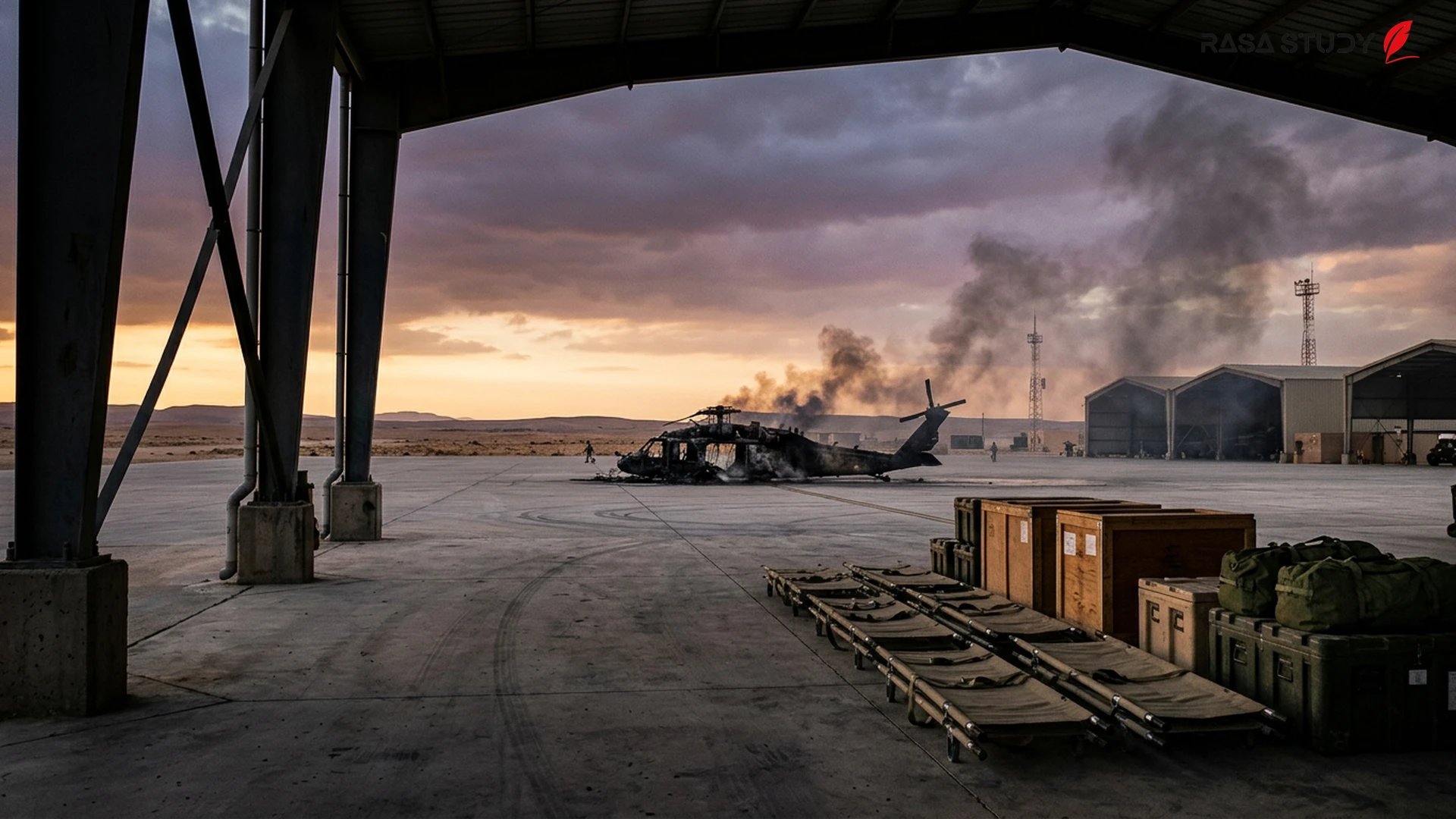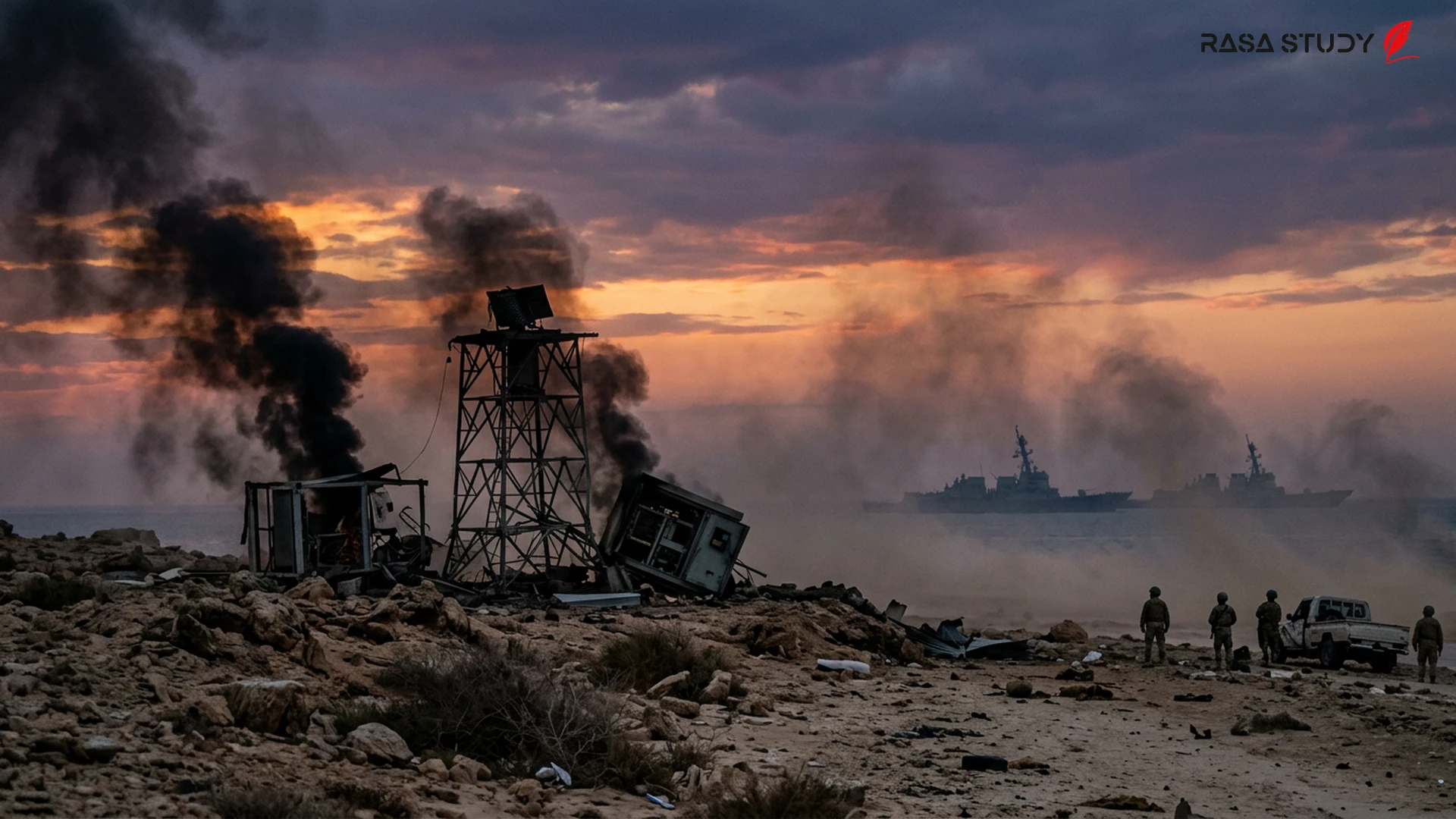
Amid intense tensions in the Persian Gulf, Donald Trump officially declared the end of the ceasefire with Iran immediately following the NATO summit in Ankara, ordering massive airstrikes on military positions in southern Iran.
On July 9, 2026, the Middle East once again stood on the brink of total war. US President Donald Trump, who had traveled to Ankara to attend the 36th NATO Summit, announced during his press conference in the Turkish capital that the ceasefire agreement between Washington and Tehran, signed in mid-June, had completely collapsed [1]. In a sharp tone, Trump referred to Iranian leaders as "sick people" and emphasized that he no longer had any desire to continue negotiations with them [2].
The End of Diplomacy in Ankara and the Start of Military Operations During his meetings in Ankara, including talks with Recep Tayyip Erdogan and Volodymyr Zelenskyy, Trump explicitly stated that American patience regarding Iranian actions in the Strait of Hormuz had run out [5]. Immediately after leaving Turkey and while still en route, he issued the order to begin military operations. According to a statement from US Central Command (CENTCOM), American fighter jets and missiles bombed approximately 90 military targets along the Iranian coastline [1]. These targets included air defense systems, radar stations, drone warehouses, and logistical infrastructure in cities such as Bandar Abbas, Konarak, and Chabahar [3].
Tehran's Reaction and Reported Casualties Iranian officials responded immediately to these attacks. The Iranian Ministry of Health confirmed that at least 14 people were killed and 78 others were injured during these strikes [1]. However, reports indicate that the Bushehr nuclear power plant was not damaged in the attacks. The Islamic Revolutionary Guard Corps (IRGC) announced in an official statement that this American action would not go unanswered, and in the first wave of retaliatory strikes, US military bases in Bahrain (Sheikh Isa Air Base) and Kuwait were targeted [4].
Roots of the Conflict and the Region's Uncertain Future Recent tensions escalated after the US claimed that Iran had attacked commercial ships in the Strait of Hormuz, violating the terms of the ceasefire memorandum [2]. In his remarks, Trump emphasized that his primary goal is to prevent Iran from obtaining nuclear weapons and that pressure will continue until this goal is achieved [5]. Analysts believe that the failure of this short-term ceasefire has severely diminished hopes for a lasting peace in the region and has confronted global oil markets with a new shock [3][4]. While Trump stated he is not looking for a long-term war, he warned that "whatever happens, it will happen very fast" [4].
US President Donald Trump announced in Ankara that the agreement with Iran has ended and military strikes have begun.
linkSources
- Trump 'ateşkes bitti' dedi , ABD İran'ı vurdu — Yeni Mesaj (2026-07-09)
- Trump: İran ile ateşkes anlaşması artık bitti — Mepa News (2026-07-08)
- ABD-İran ateşkesi bozuldu! Trump Türkiye’den gider gitmez saldırdı — Anadolu'da Bugün (2026-07-08)
- U.S. launches new strikes against Iran as ceasefire is strained — LA Times (2026-07-08)
- Trump'tan İran'a yeni tehdit: Bu akşam muhtemelen vuracağız — Star (2026-07-08)