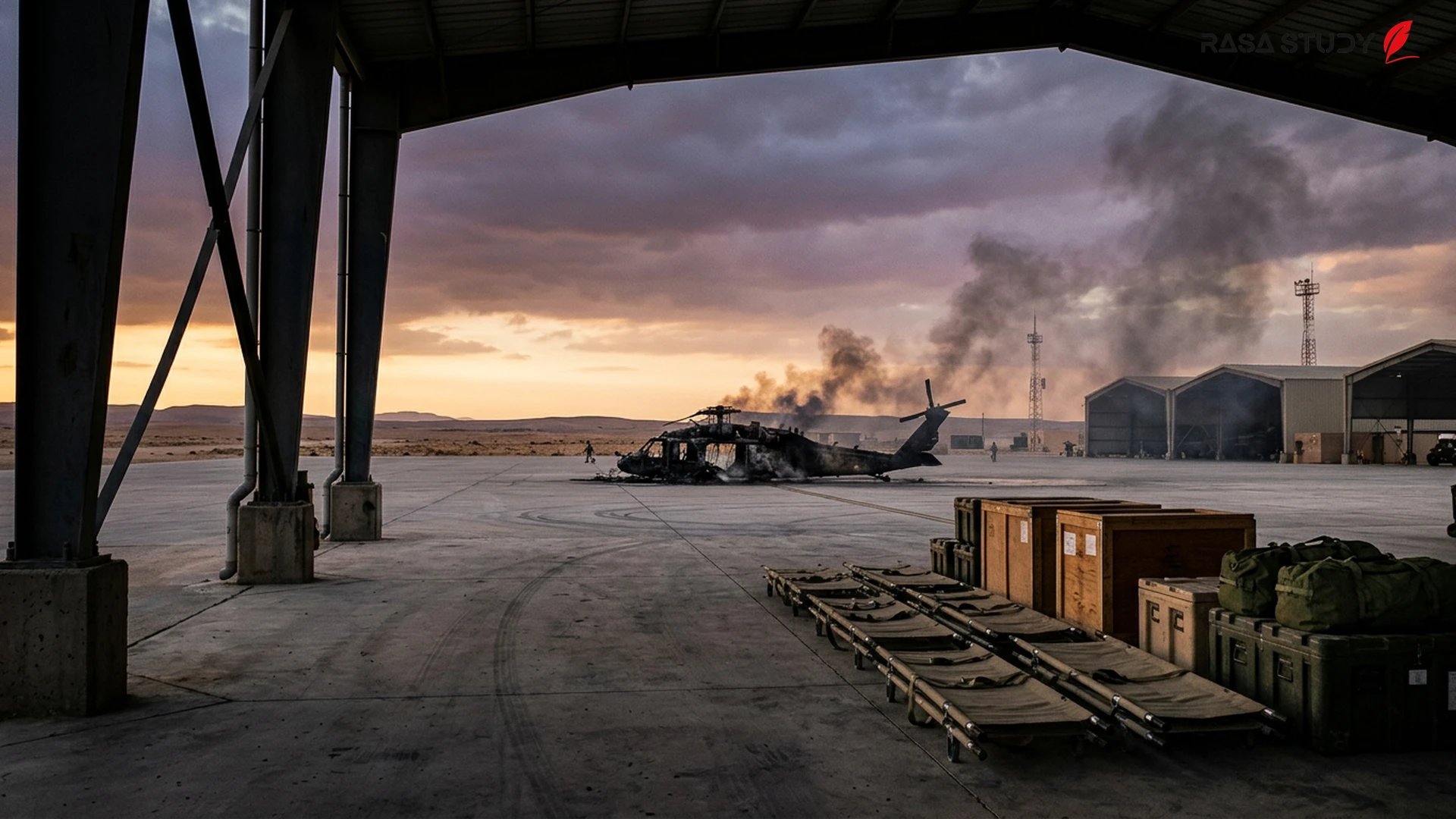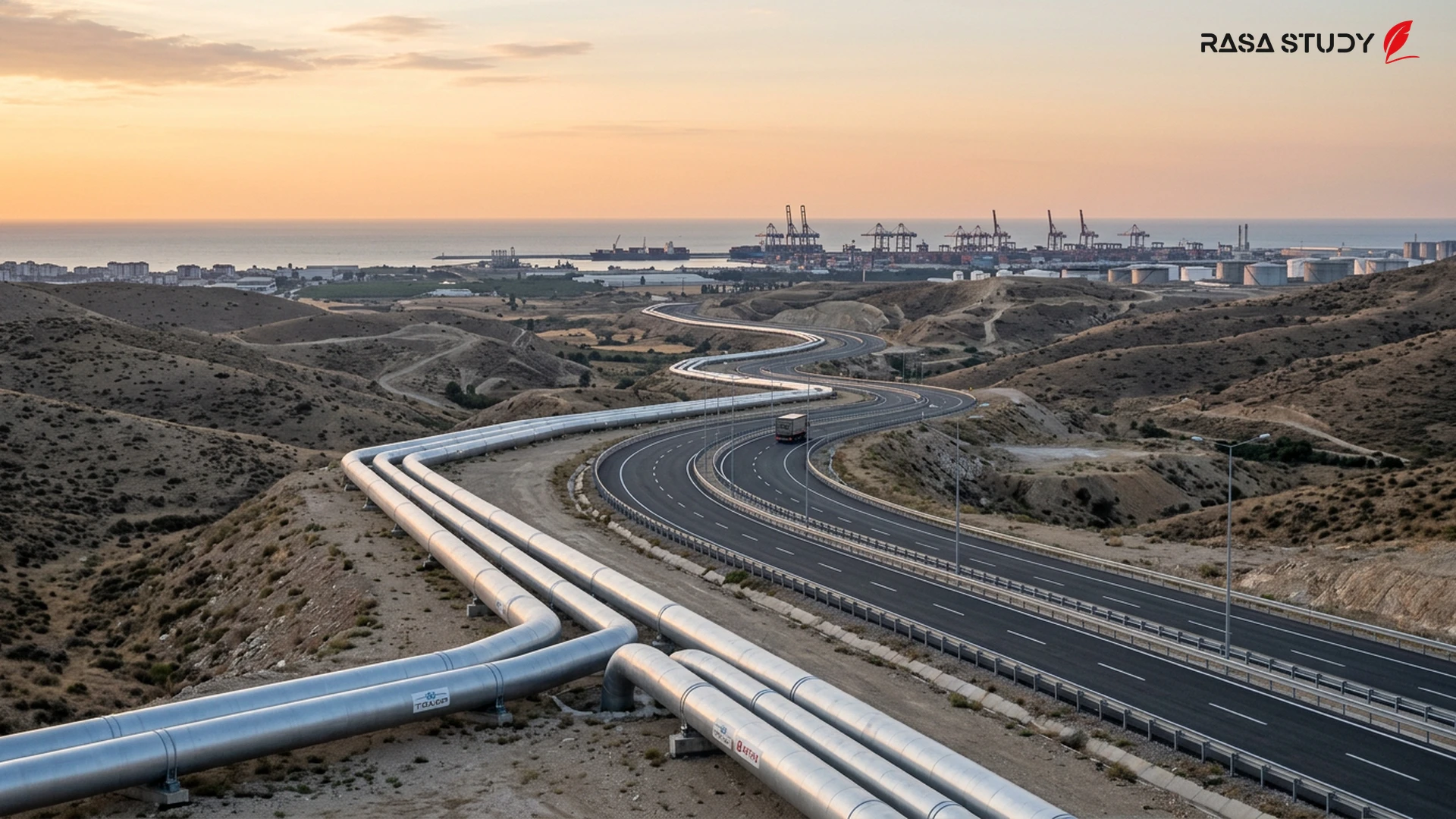
As military conflicts between the United States and Iran escalate and energy security in the Strait of Hormuz is threatened, diesel prices in Turkey have set a new historical record, exceeding 77 lira in some regions.
Price Explosion Following Geopolitical Tensions
Today, July 20, 2026, Turkey's energy market has faced a major shock. As military conflicts between the United States and Iran enter their ninth consecutive night, Brent crude prices in global markets have seen a stunning jump to over $90 per barrel [2]. These tensions, which have now extended to direct attacks on infrastructure and vessels in the Persian Gulf, have directly impacted the cost of fuel in energy-importing countries, including Turkey.
Reports from diplomatic and military sources indicate that tanker traffic in the Strait of Hormuz has significantly decreased, dropping from an average of 8 vessels per day to only 4 [2]. This informal blockade has intensified concerns over global supply shortages, causing fuel futures markets to face extreme volatility.
Situation at Fuel Stations in Turkey: Crossing the 77 Lira Threshold
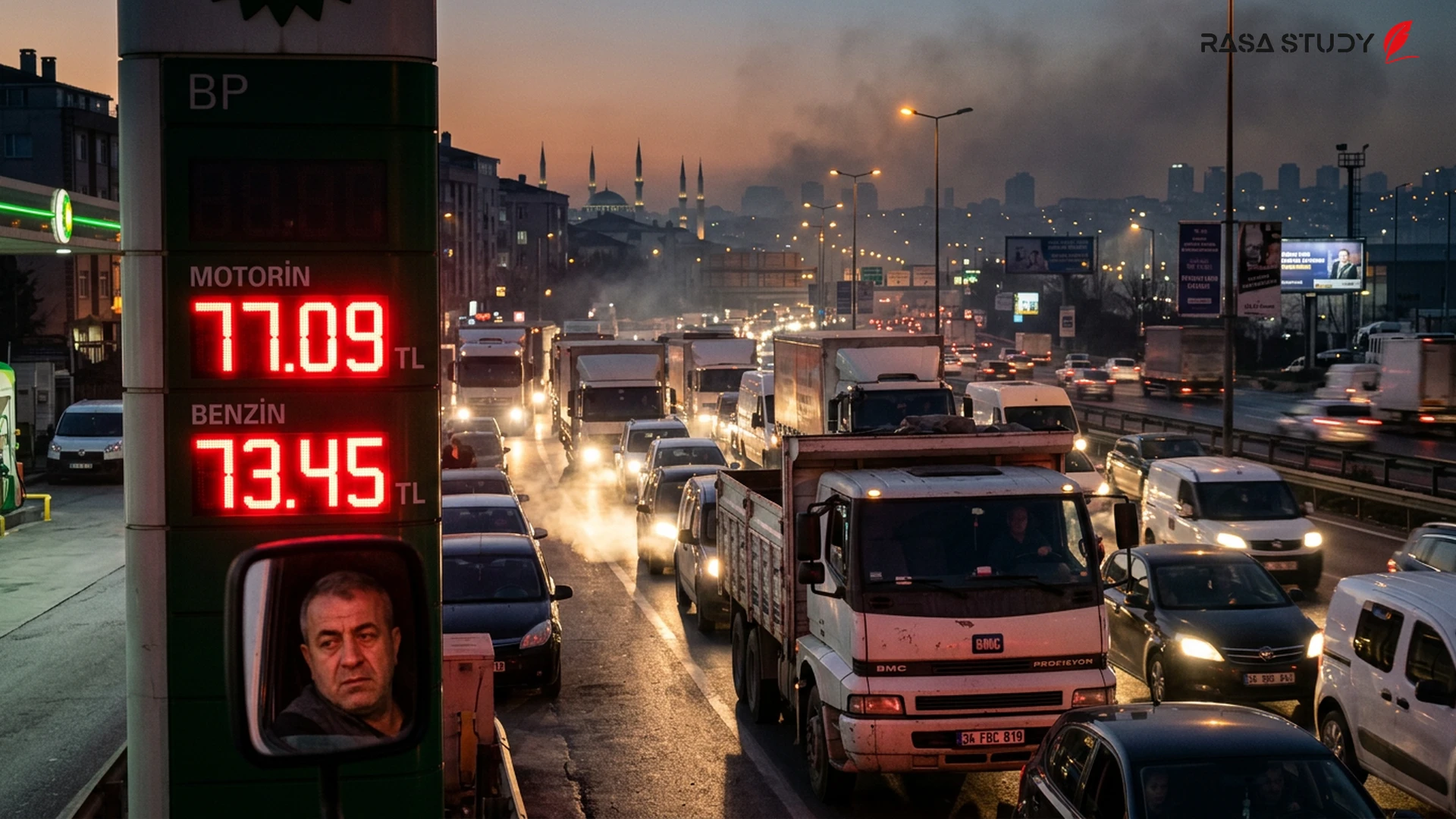
According to an exclusive report by the "Cumhuriyet" newspaper, a new wave of price increases taking effect at midnight tonight will push diesel (motorin) prices above 77 lira in some Turkish provinces [1]. Based on this report, a price hike of 1.12 lira is imminent, bringing prices in metropolises like Istanbul to approximately 74.25 lira and in Ankara to 75.37 lira; however, in Turkey's eastern provinces, due to logistical costs, the price per liter of diesel will exceed the 77.09 lira mark [1].
This price increase occurs just days after prices rose due to exchange rate fluctuations and new taxes. Turkish consumers are now facing a reality where fuel prices have grown by more than 20% compared to last year [3].
Crisis in the Strait of Hormuz and Supply Security
The primary reason for this critical situation is the military standoff in the Strait of Hormuz. The United States has announced it is imposing a naval blockade on Iranian ports, while Iran emphasizes it will target ships that violate navigation rules in this strategic waterway [2]. This confrontation has caused maritime transport insurance costs to skyrocket, a cost that is directly reflected in the final fuel price at Turkish gas stations.
Economic Consequences and Pressure on Citizens
The increase in diesel prices to 77 lira is more than just a simple number on fuel station signs; it means an increase in the cost of transporting goods, food, and services across Turkey. The Turkish government had previously tried to absorb part of the price pressure using tax mechanisms (SCT), but reports indicate that these protective shields are being removed due to budgetary pressures [3].
Economic experts warn that if tensions between Washington and Tehran do not subside in the coming days, fuel prices could potentially reach even higher figures. Currently, long queues have been observed at some Turkish fuel stations before the new prices take effect, as citizens worry about the continuation of this upward trend [1].
Rising fuel prices in Turkey following geopolitical tensions in the Middle East - July 20, 2026
linkSources
- ABD-İran krizinin ateşi depoları yakacak: Motorinin litresi 77 lirayı aşıyor — Cumhuriyet (2026-07-20)
- Oil prices jump 3% as US-Iran conflict intensifies, Brent crude tops $90 per barrel — The Times of India (2026-07-20)
- Türkiye braces for fuel price hike despite global oil market slump — Türkiye Today (2026-07-15)