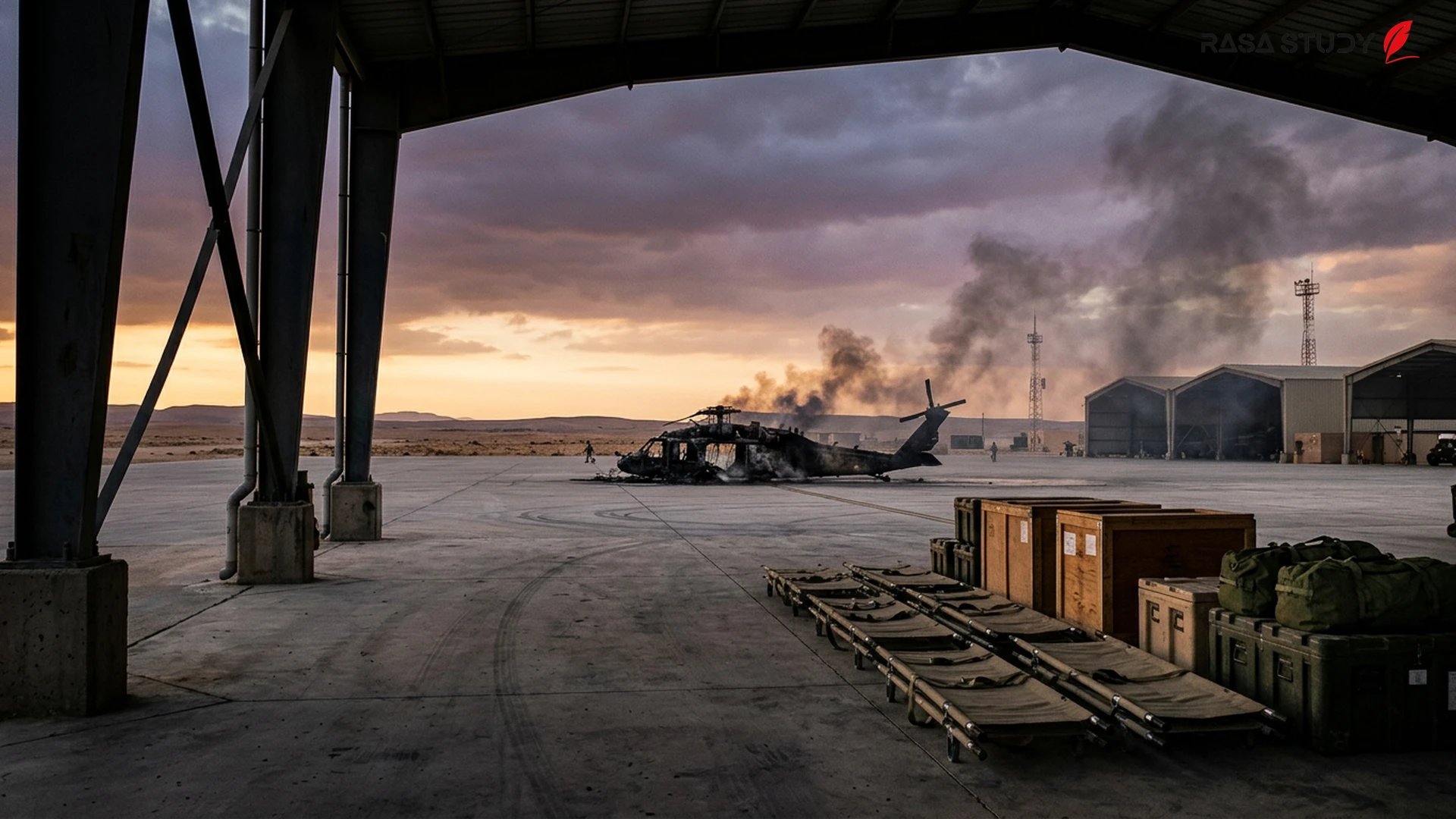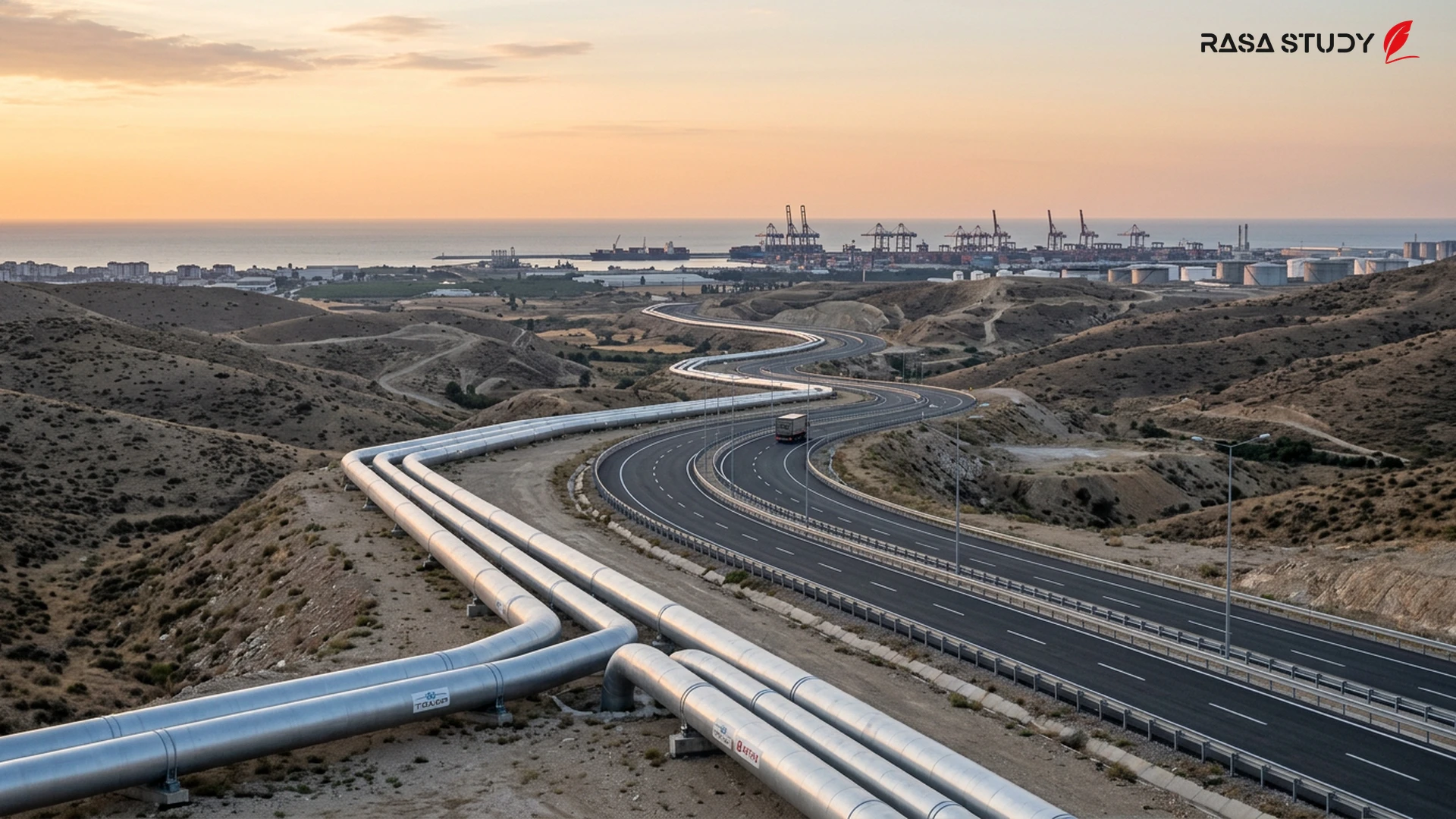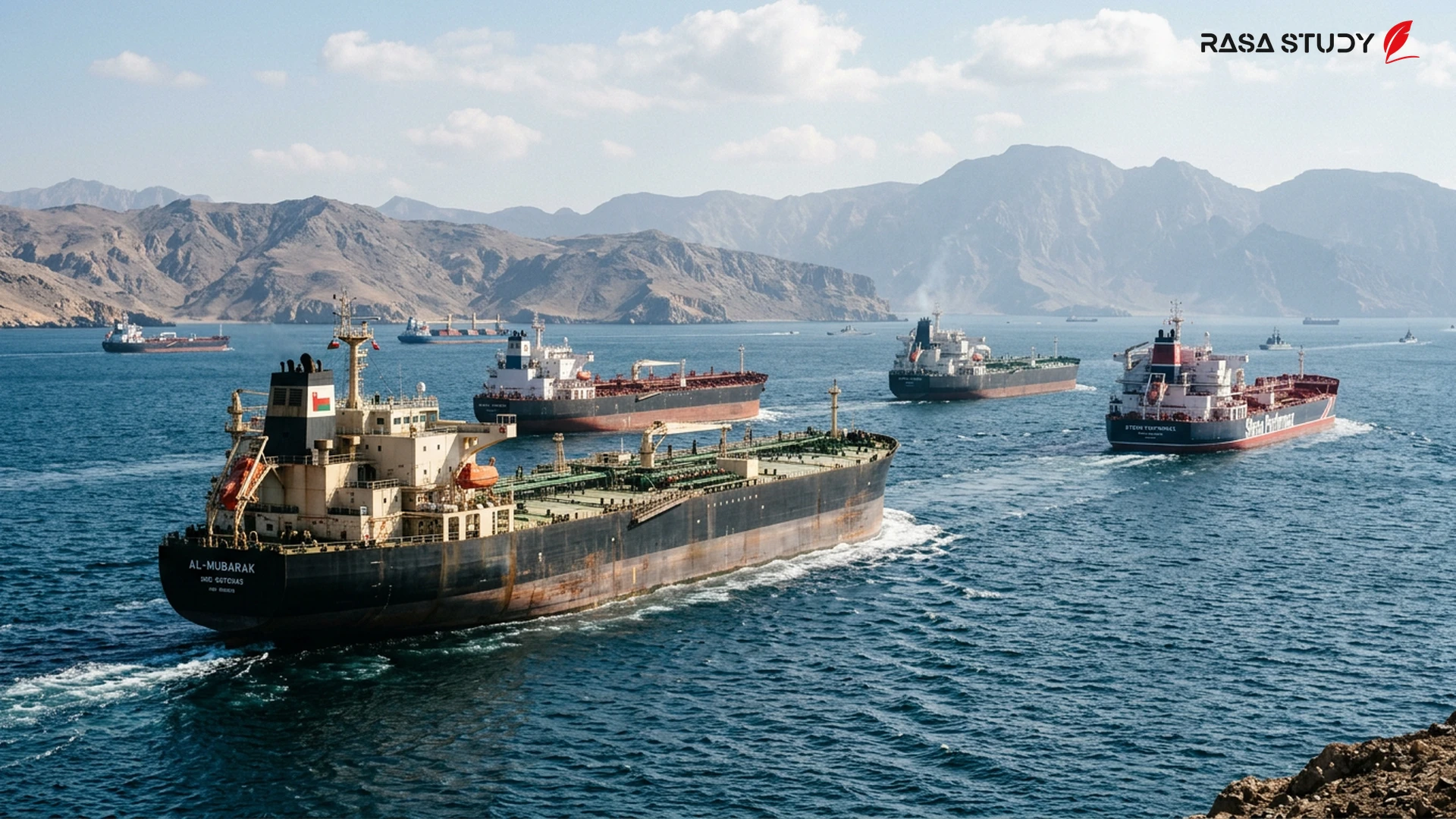
With the finalization of the 14-point agreement between Tehran and Washington in June 2026, the global oil market is witnessing a price drop to pre-crisis levels; a development that could block the Kremlin's financial arteries amidst international tensions. [1]
Sudden Shift in the Energy Market As of today, June 26, 2026, global energy markets remain under the influence of the signing of the historic memorandum of understanding between the United States and Iran at the Palace of Versailles. This agreement, achieved through Pakistan's mediation, not only ended months of military conflict but also led to the immediate reopening of the Strait of Hormuz and the issuance of 60-day licenses for Iranian oil exports. [4] This diplomatic development eliminated the "war premium" that had kept oil prices above $100 for months, bringing Brent crude prices below $75 per barrel. [3]
Russia; The Big Loser of Price Reductions Analysis by Anadolu Agency indicates that Russia, which in recent months used high oil prices to fund its military budget and counter sanctions, is now facing a "shift in the wind's direction." [1] During the recent crisis, Washington had eased some restrictions on Russian oil to prevent a price shock, leading to a doubling of Moscow's oil revenues in April. However, with the return of Iranian barrels to the market, this strategic advantage is fading. [2]
Pressure on Budget and Decreased Geopolitical Influence The drop in oil prices to pre-war levels (around $73) means a reduction of billions of dollars in Russia's monthly foreign exchange earnings. Experts believe Moscow needs oil above $80 to balance its budget. [3] Furthermore, the reopening of the Strait of Hormuz and the reduction of tensions in the Middle East have refocused the international community's attention on Ukraine and weakened Putin's energy leverage over the West. [2]
60-Day Outlook and Uncertainties Ahead Although the current agreement is a temporary 60-day memorandum, its impact on market psychology has been profound. US President Donald Trump, with the slogan "Let the oil flow," seeks to reduce domestic inflation, while Tehran attempts to use this opportunity to release its frozen assets and rebuild its economy. [4] For Moscow, this situation signifies the end of a short period of windfall revenues and a return to the harsh realities of economic sanctions.
Falling Brent oil prices below $75 after the Iran-US agreement has intensified financial pressures on Russia.
linkSources
- ABD-İran mutabakatı, yüksek petrol fiyatlarıyla nefes alan Moskova için rüzgarı tersine döndürebilir — Anadolu Ajansı (2026-06-25)
- The US-Iran memorandum of understanding: Impacts on global energy — Atlantic Council (2026-06-17)
- Oil prices erase wartime gains as Strait of Hormuz reopens — Anadolu Agency (2026-06-25)
- US-Iran 14-point MoU: Consequential development for energy markets — Crypto Briefing (2026-06-23)