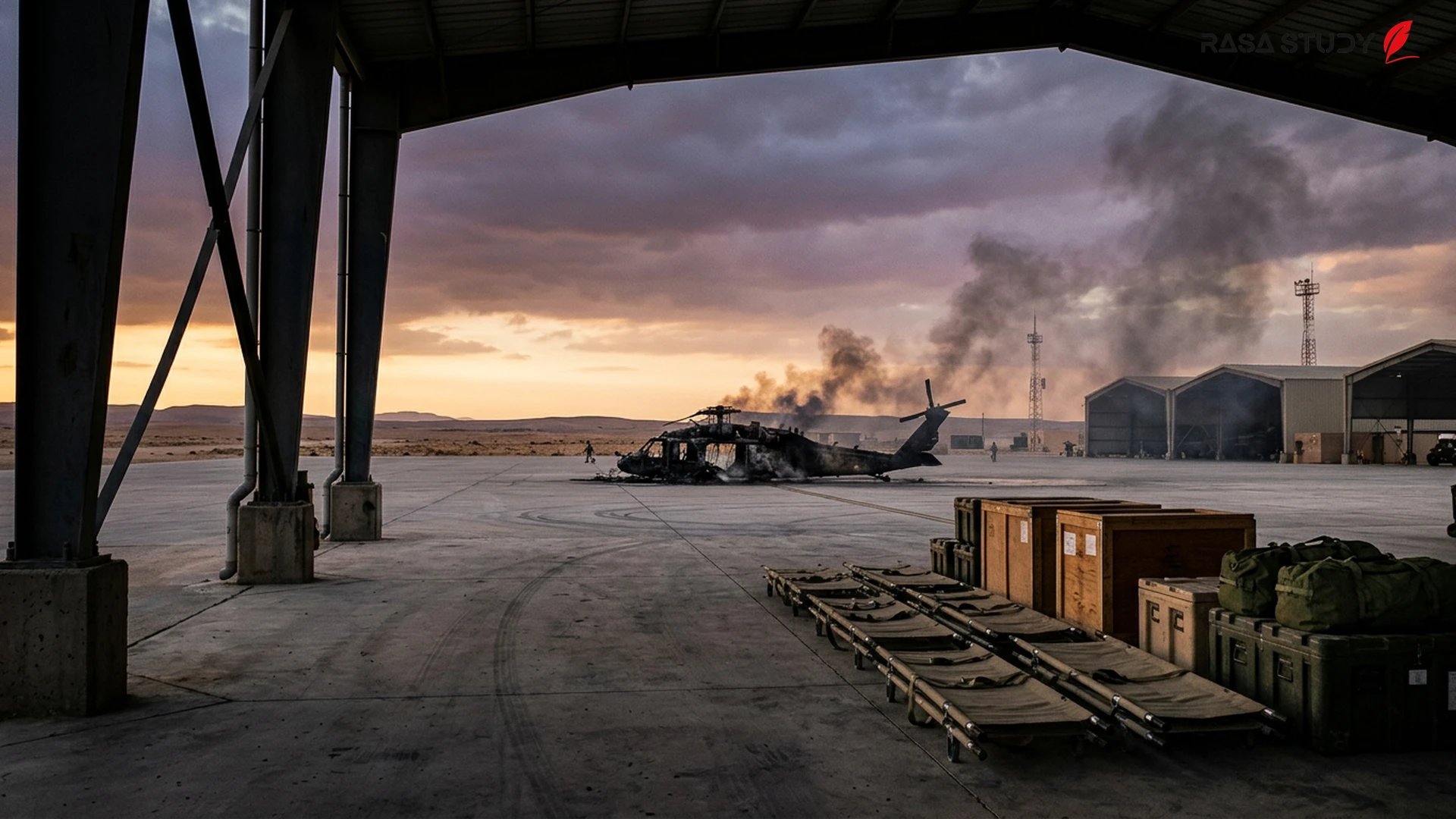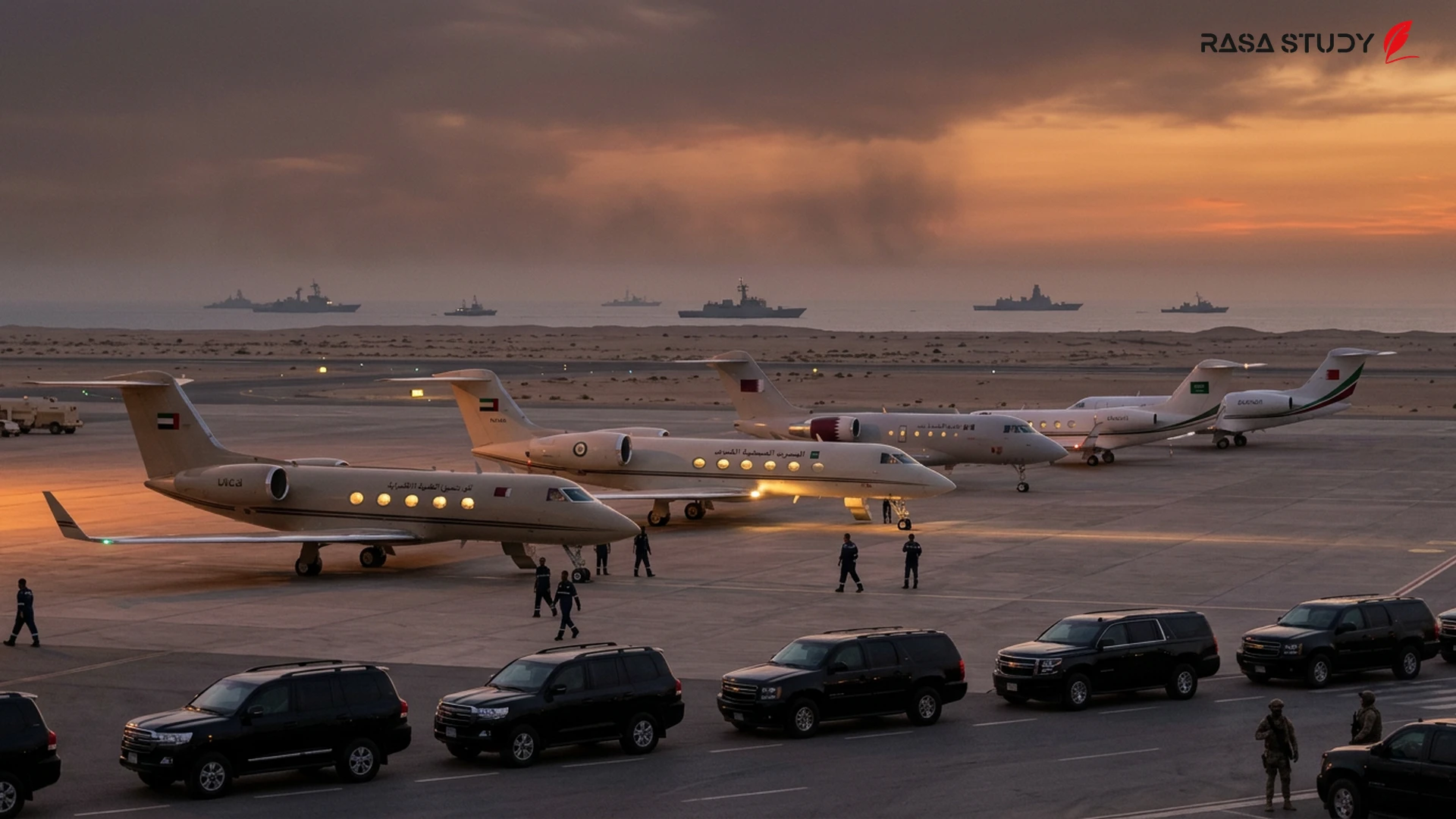
With the unofficial end of the ceasefire between Iran and the United States and the occurrence of retaliatory attacks in the Persian Gulf, unprecedented diplomatic traffic has formed in the region. Neighboring countries are attempting to prevent the conflicts from turning into a full-scale war through urgent mediation.
Today, July 10, 2026, the Middle East region is witnessing one of its most sensitive diplomatic periods. While only two days have passed since Donald Trump announced the end of the security memorandum and the United States launched extensive airstrikes on more than 90 targets inside Iranian territory, reports indicate the beginning of a "vital diplomatic traffic" to contain the crisis [1][4]. Regional countries, which suffer the most from a comprehensive conflict, are now at the forefront of efforts to restore calm.
Entry of Regional Actors into Tehran-Washington Equations Qatar, Pakistan, Turkey, Egypt, and Saudi Arabia have established intensive telephone contacts with high-ranking officials in Washington and Tehran over the past 48 hours [2]. The main goal of these movements is to prevent the continuation of retaliatory attacks, which in recent days have also targeted American bases in Kuwait, Bahrain, and Jordan [5].
Pakistan and Qatar, which previously played a key role in signing the Islamabad Memorandum in June, are now seeking to revive that fragile agreement. According to published reports, senior diplomats from these two countries are trying to pave the way for a new round of technical negotiations on July 11 (tomorrow) [3]. Turkey, with an eye on the stability of its borders, has supported this process, and Hakan Fidan, the country's Foreign Minister, has conducted continuous consultations with his Iranian counterpart [1].
Challenges of Diplomacy in the Shadow of Iran's Internal Developments These diplomatic efforts are taking place while Iran is in a very sensitive internal position. Today, the funeral and burial ceremony of Ayatollah Ali Khamenei was held in Mashhad, attracting global attention [5]. This major political development in Tehran, simultaneous with external military pressures, has complicated the decision-making process. However, Abbas Araghchi, Iran's Foreign Minister, emphasized in calls with his regional counterparts that Iran is not seeking to expand the war, but will not leave Washington's violation of memorandums unanswered [3].
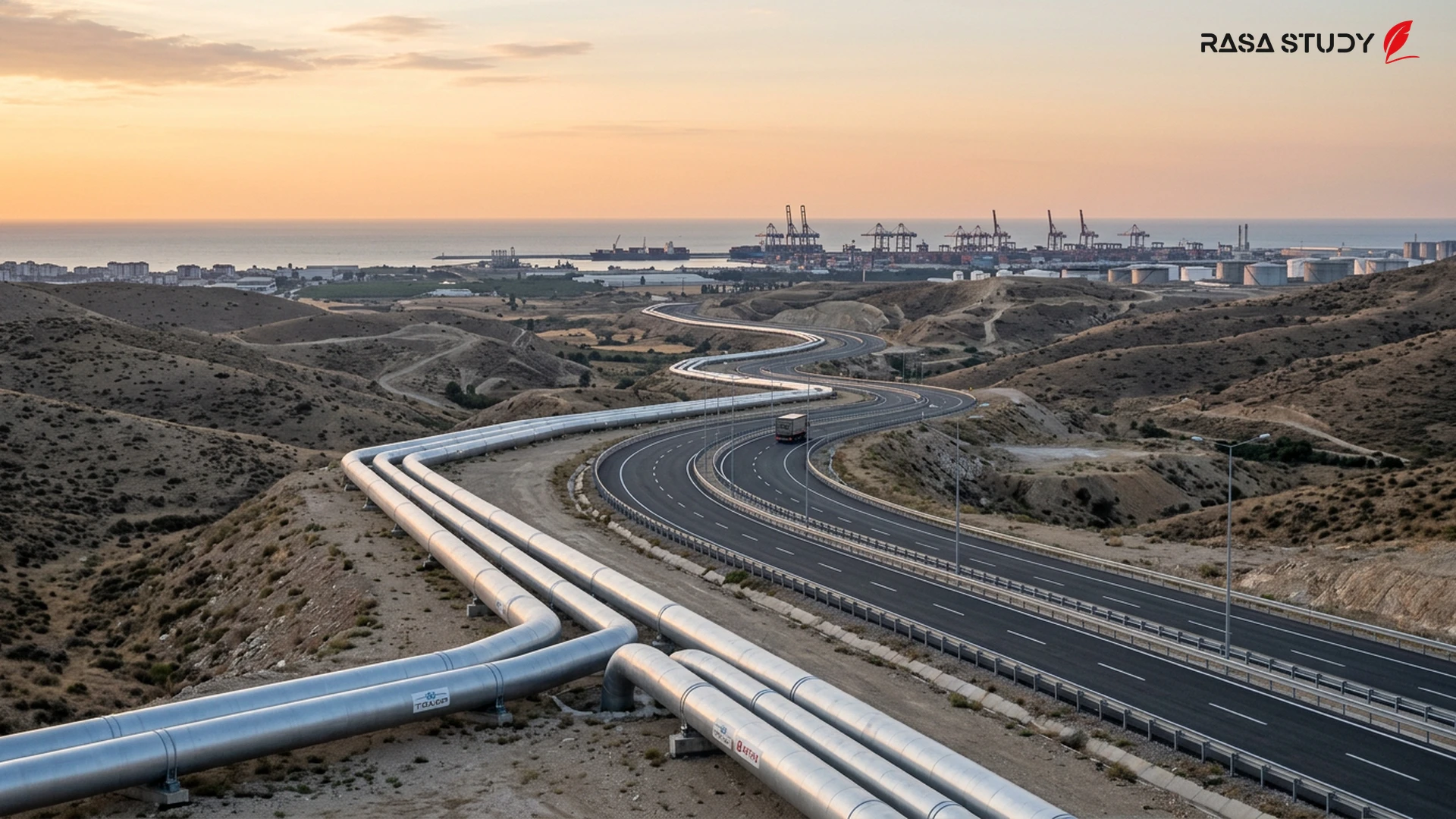
Energy Security and the Strait of Hormuz; A Shared Global Concern One of the main drivers of this diplomatic traffic is the critical situation in the Strait of Hormuz. Recent attacks on commercial vessels and mutual threats have pushed oil prices to the $80 mark and made global markets anxious [4]. Regional mediators know well that any long-term disruption in this vital waterway will have disastrous economic consequences for the entire world. For this reason, the safe reopening of the Strait of Hormuz and the cessation of attacks on maritime infrastructure are at the top of the current negotiation agenda [5].
Ultimately, although the atmosphere of mistrust between the two sides has reached its peak, the active presence of regional countries indicates a collective will to prevent the Middle East from falling into the abyss of a devastating war. The coming days will determine whether this "emergency diplomacy" can once again bring the parties back to the negotiating table.
Regional countries led by Qatar and Pakistan are consulting to reduce military tensions between Iran and the United States.
linkSources
- ABD-İran geriliminde kritik diplomasi trafiği! Bölge ülkeleri devrede — Yeni Birlik Gazetesi (2026-07-10)
- Regional mediators push to ease US-Iran tensions, revive nuclear talks — Caliber.az (Axios) (2026-07-10)
- رسانه آمریکایی: میانجیگران در تلاش برای بازگشت ایران و آمریکا به میز مذاکره هستند — Iran Online (CNN) (2026-07-10)
- US strikes around 90 targets in Iran, who threatens grave consequences — Fox News (2026-07-10)
- Uneasy calm between US and Iran as mediators push for return to diplomacy — The National (2026-07-10)