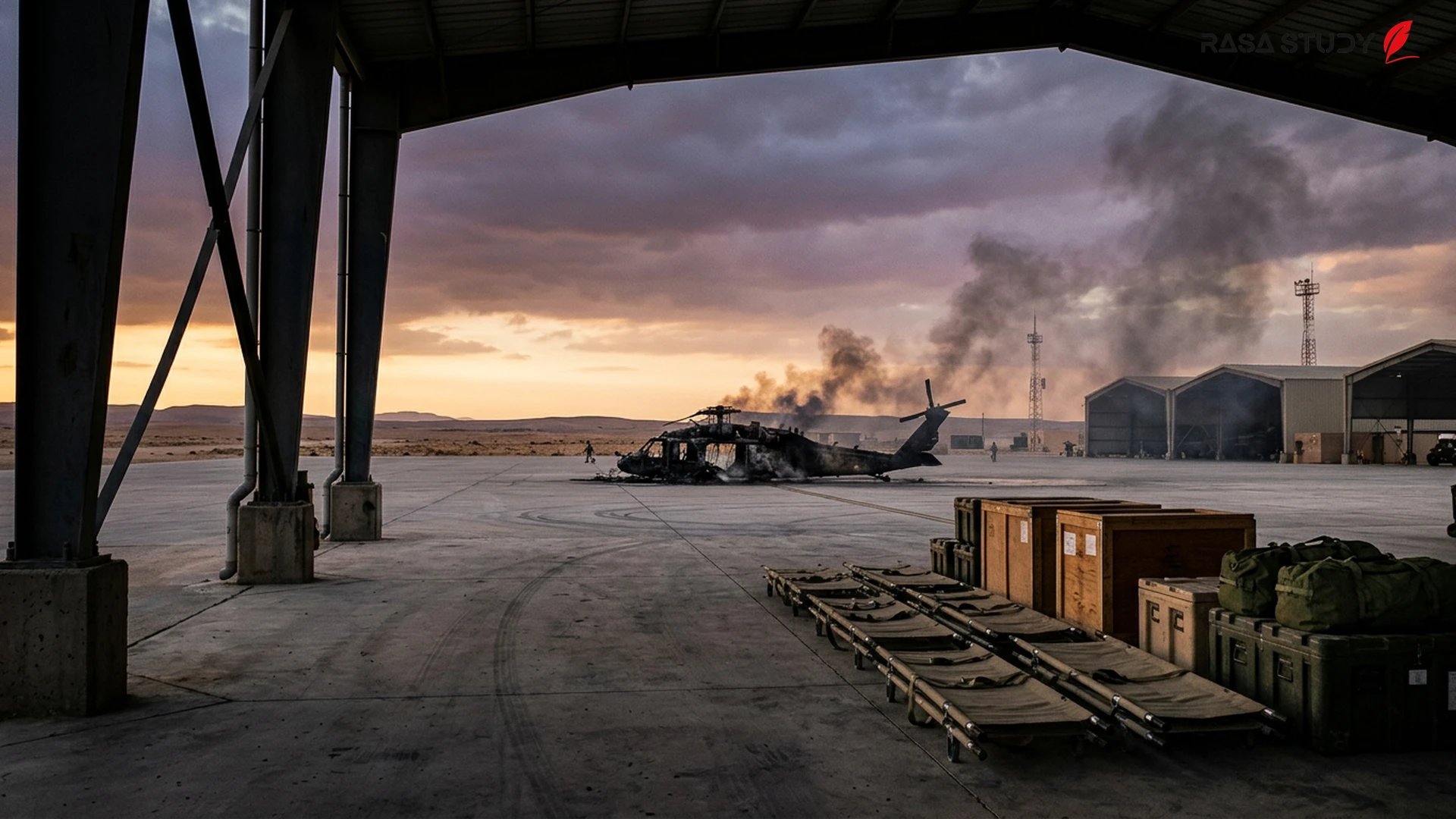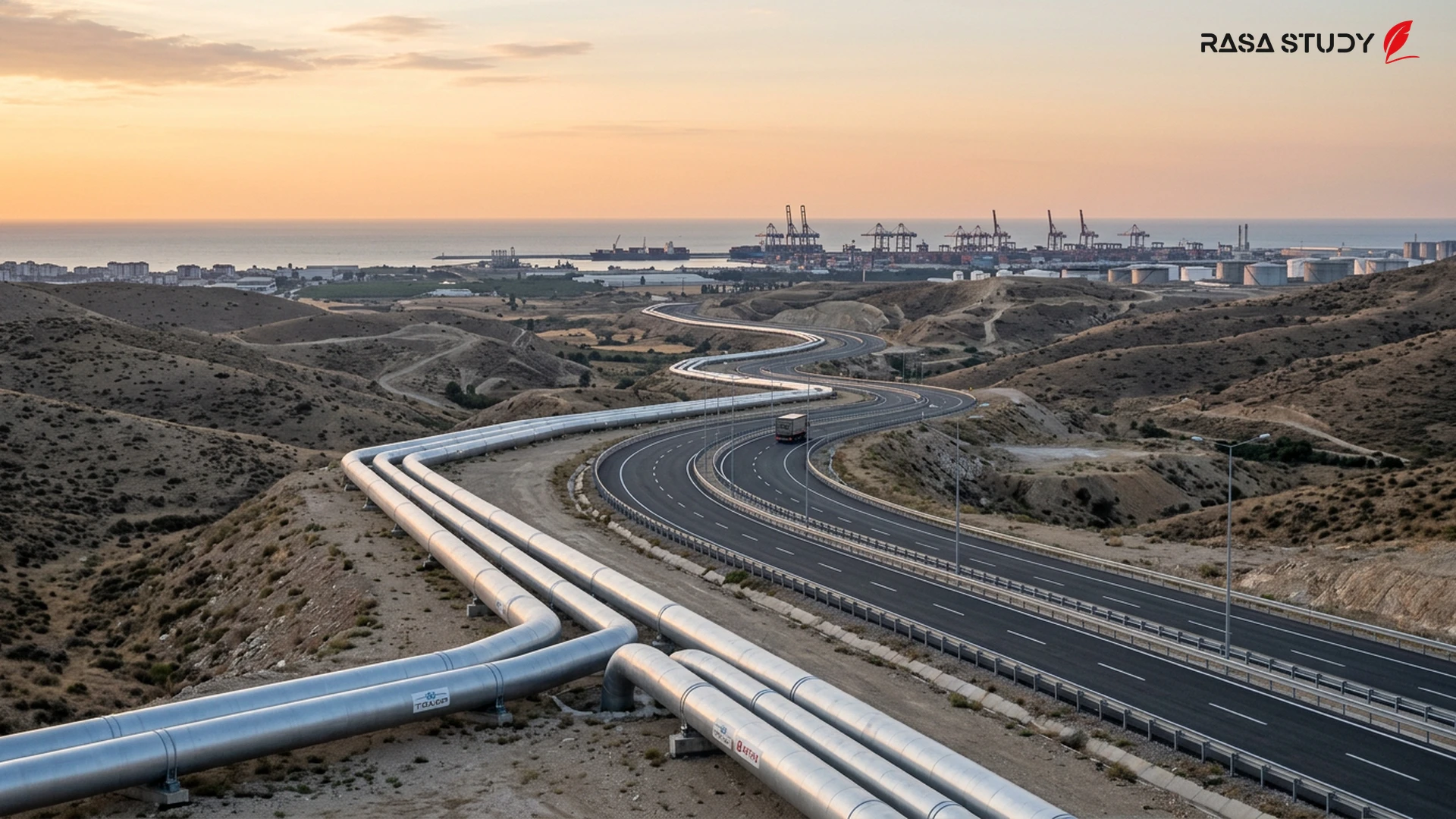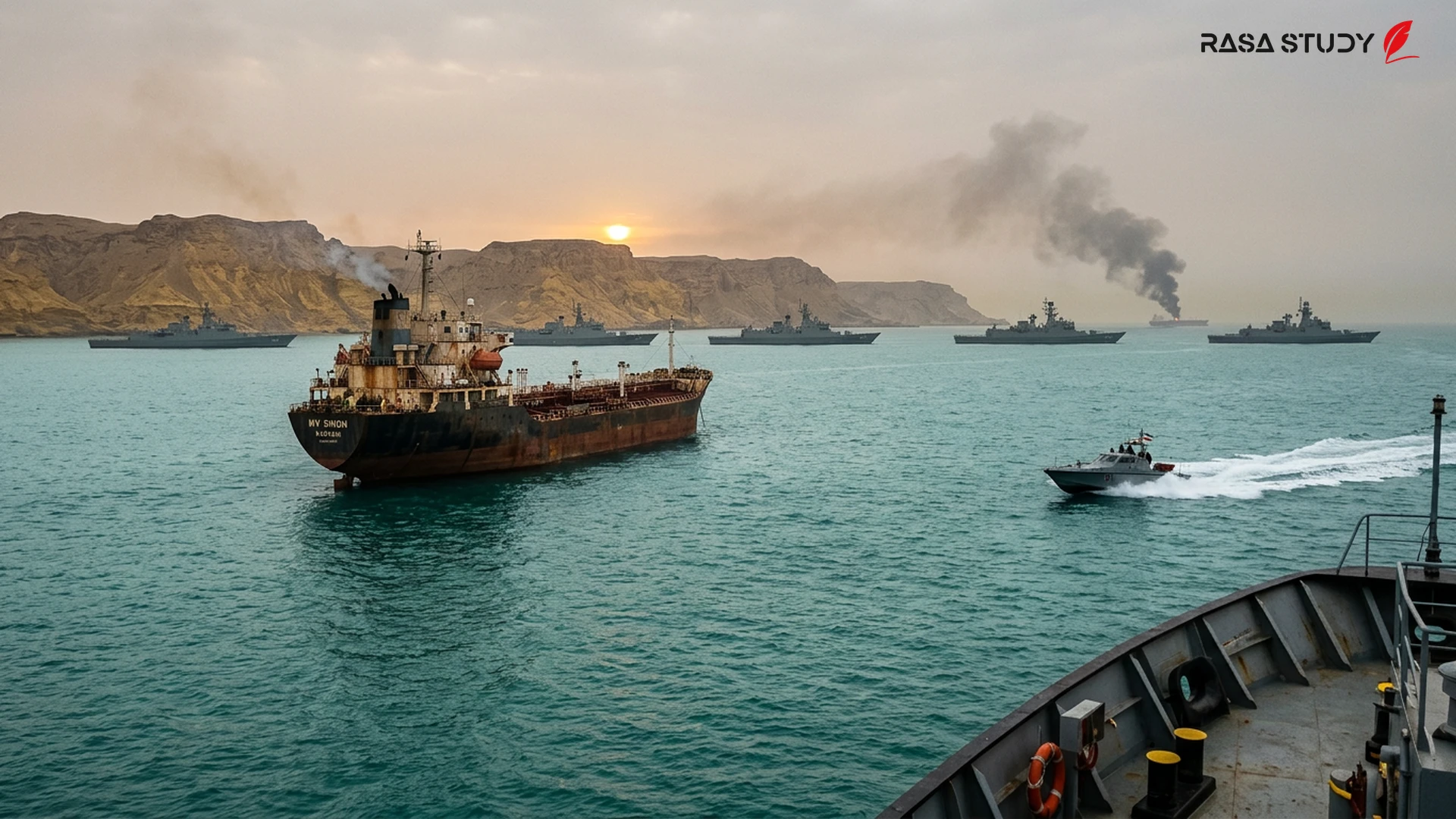
Today, July 15, 2026, the Persian Gulf region is witnessing the most dangerous military tension in decades. With the start of the US military's naval blockade of Iranian ports and heavy missile attacks on coastal infrastructure, Tehran has officially closed the Strait of Hormuz to international traffic.
New Wave of CENTCOM Attacks and Start of Official Blockade Early this morning, United States Central Command (CENTCOM) announced that it conducted a massive 7-hour air and sea operation against targets in southern Iran. These attacks, marking the fifth consecutive night of clashes, targeted areas on Hengam Island, Qeshm, and Bandar Abbas [2]. The objective of this operation was stated as destroying Iran's missile and drone capabilities, which Washington claims were used to threaten commercial shipping.
Simultaneously with these attacks, the naval blockade of Iranian ports announced by Donald Trump entered its operational phase as of 23:00 local time last night [1]. According to reports, more than 20 US warships have been deployed in the region to prevent any vessel from entering or leaving Iranian ports. This action followed the collapse of a short-term ceasefire that lasted only three weeks [5].
Tehran's Reaction: Blockade of the Strait of Hormuz and Retaliatory Attacks In response to the United States' actions, the Islamic Revolutionary Guard Corps issued a sharp statement declaring the Strait of Hormuz closed "until further notice." Iranian military officials have warned that if Iran is unable to export its oil, no country in the region will be allowed to export energy [3]. Field reports indicate that the Iranian Navy has diverted several commercial ships by firing warning shots and has begun mining parts of the strategic Hormuz waterway.
In addition to the blockade of the strait, Iran has launched extensive missile and drone attacks against bases hosting US forces in the region. The "Muwaffaq al-Salti" air base in Jordan and military facilities in Bahrain and Kuwait have been targeted [3]. Iranian domestic media confirmed that these attacks were carried out in response to the violation of national sovereignty and nightly US attacks on residential and military areas in the south of the country.
Analysis of the Situation in International Media; "What's Happening?" Program The rapid developments in the region are at the center of global media attention. The "CNN Türk" network, in its analytical program "What's Happening?" (Ne Oluyor?) featuring prominent security experts including Coşkun Başbuğ, examined the dimensions of this conflict [1]. Analysts in this program noted that the new US strategy to impose "transit fees" or a full blockade has pushed the region toward an all-out war. Discussions also arose regarding the possibility of ground force intervention, although the White House has currently denied infantry participation in the attacks [4].
Economic Consequences and Infrastructure Threats Global energy markets have been severely affected by this conflict. Crude oil prices have suddenly jumped to the $80 mark, and experts warn that if the Hormuz blockade continues, a global fuel crisis will be inevitable [4]. Donald Trump, in his latest remarks, threatened that if Tehran does not return to the negotiating table, the US military will target Iran's bridges, power plants, and civilian infrastructure [5]. Meanwhile, the United Nations has warned of the catastrophic humanitarian consequences of this war in the region.
Image released by CENTCOM of nighttime attacks on Iranian coastal facilities on July 15, 2026
linkSources
- İran'a yeni saldırılar: ABD'nin Hürmüz ablukası başladı! — CNN Türk (2026-07-15)
- U.S. military announces new strikes on Iran, reimposes blockade — CBS News (2026-07-15)
- صبحانه خبری، ۲۴ تیر ۱۴۰۵؛ از موج جدید حملات آمریکا تا انسداد هرمز — Entekhab (2026-07-15)
- ABD'den İran'a yeni bir saldırı dalgası — Bloomberg HT (2026-07-15)
- CENTCOM says US forces resume Iran naval blockade — Fox News (2026-07-15)