With the collapse of the fragile June agreement, tensions between Washington and Tehran have reached a critical peak. CENTCOM announced a new round of heavy strikes, while a naval blockade of Iranian ports officially commenced today.
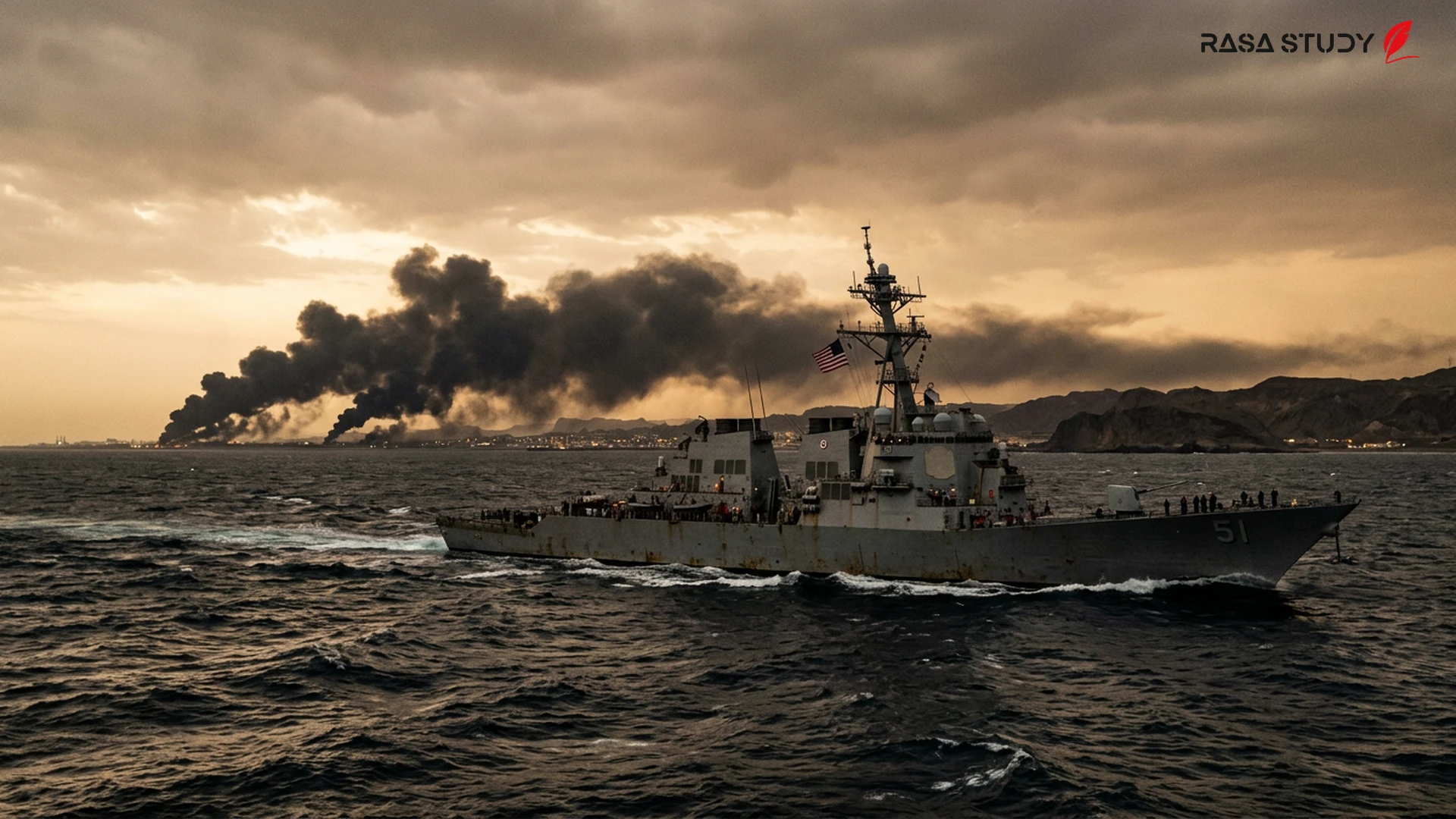
Return to Military Confrontation and Start of Port Blockade On July 15, 2026, the United States Central Command (CENTCOM) officially announced the resumption of a naval blockade of Iranian ports and coastal areas [5]. This action, taken under direct orders from Donald Trump, marks the end of the fragile June 17 memorandum that was intended to pave the way for nuclear negotiations [4]. According to US officials, the blockade was imposed in response to recent attacks on commercial vessels in the Strait of Hormuz, including tankers flying the flags of the Marshall Islands and Liberia [4].
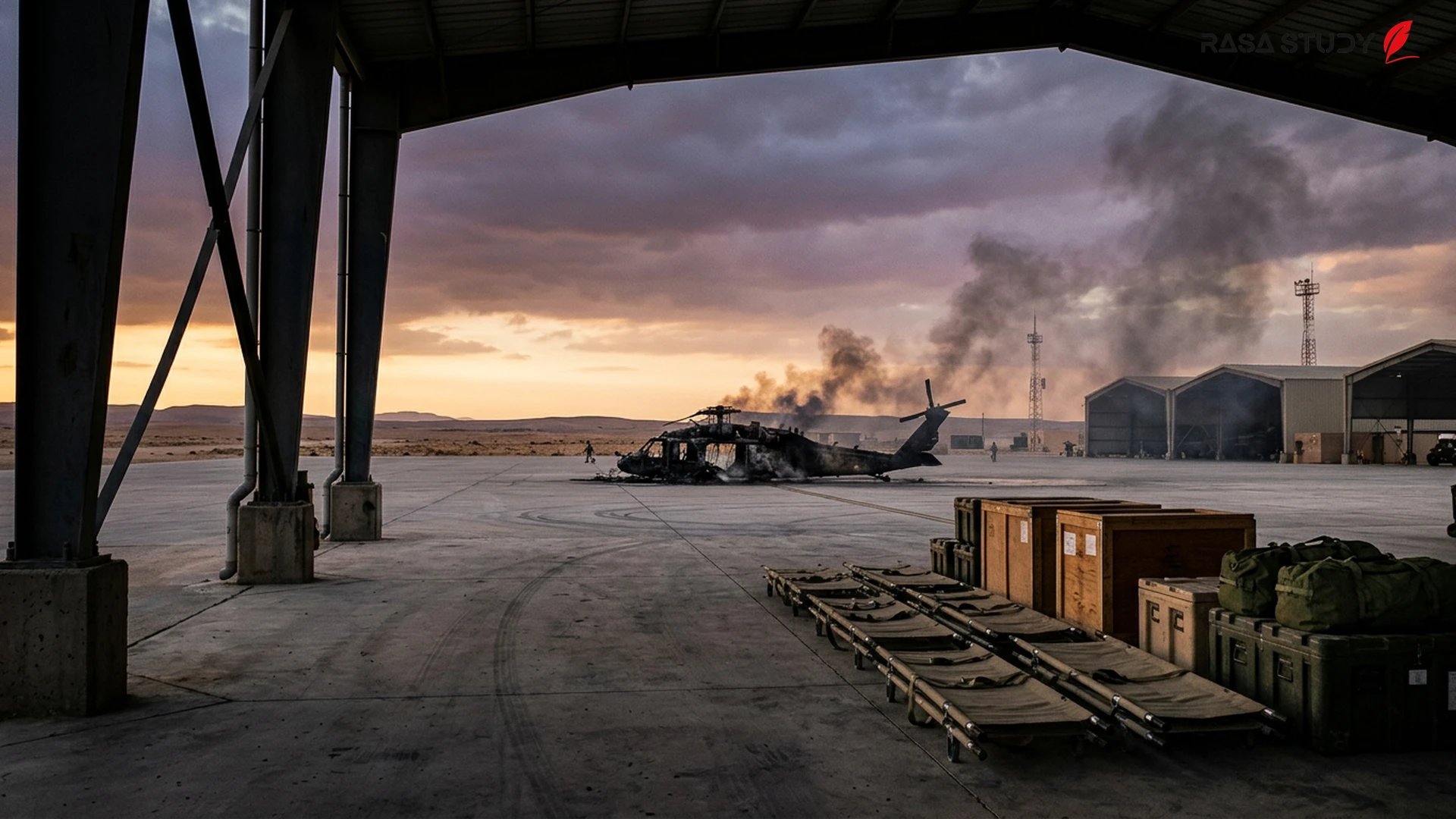
Four Nights of Heavy Bombing and Field Damage US forces conducted a massive wave of air and missile strikes for the fourth consecutive night against military facilities in southern Iran [4]. Local reports indicate heavy explosions in Bandar Abbas, Bushehr, and Qeshm Island [1]. CENTCOM confirmed that in a seven-hour operation, dozens of targets including missile sites, drone hangars, and IRGC coastal defense systems were destroyed [3]. The Iranian military confirmed the deaths of at least 7 military personnel in the southeast of the country and more than 260 injuries during these attacks [4].
Iran's Counter-Response: Operation "Nasr 2" In response to these attacks, the IRGC Navy and Aerospace forces launched a new phase of an operation dubbed "Nasr 2" [3]. Tehran claimed to have targeted US military bases in Jordan, Kuwait, and Bahrain with missile and drone strikes [1]. Although US officials and regional allies claimed to have intercepted most of these projectiles, field reports indicate fires near military facilities in Manama, Bahrain [4]. Jordan also announced it shot down at least three ballistic missiles fired toward its bases [4].
Threat to Destroy Infrastructure and Energy Crisis Donald Trump warned in sharp remarks that if Iran does not return to the negotiating table, the US military will expand its attacks to civilian infrastructure, including bridges and power plants [2]. These threats immediately impacted global markets, with Brent crude oil prices jumping 3% to over $86 per barrel [2]. Analysts believe the region is on the brink of a full-scale war that could present an unprecedented challenge to global energy security [5].
CENTCOM confirmed that air strikes will continue to degrade Iran's military capabilities in the Strait of Hormuz.
linkSources
- ABD İran'ı 7 saat aralıksız vurdu — 10Haber (2026-07-15)
- ABD ile İran arasında kırılgan ateşkes çöktü — İlke TV (2026-07-15)
- سنتکام از آغاز موج تازه حملات آمریکا به مواضع جمهوری اسلامی خبر داد — VOA News (2026-07-15)
- U.S. wraps up 4th consecutive night of strikes, CENTCOM says — CBS News (2026-07-15)
- US military restores blockade in response to Iran's attacks — Gulf News (2026-07-15)