United States Central Command (CENTCOM) announced today, July 18, 2026, that it has completed the seventh consecutive night of extensive military operations against positions within Iranian territory. Simultaneously, 50,000 US military personnel in the region have been placed on full alert.
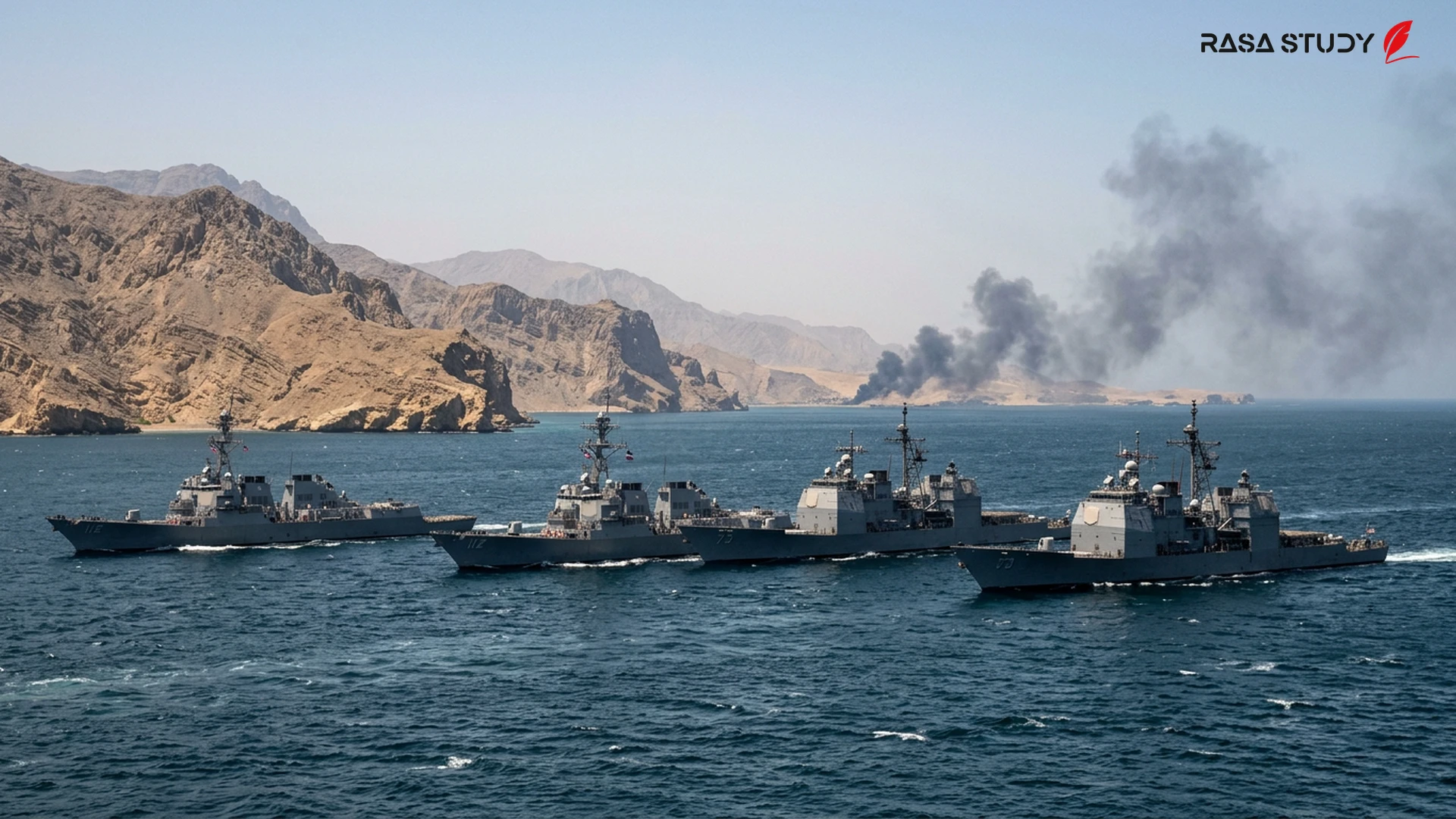
Completion of CENTCOM's Seventh Wave of Airstrikes According to official statements issued on July 18, 2026, the United States Central Command (CENTCOM) announced that it has successfully completed its latest wave of targeted strikes against Iranian military infrastructure [1]. This operation, which lasted seven consecutive nights, involved extensive attacks using stealth fighters, attack drones, and cruise missiles fired from warships stationed in the Persian Gulf and the Sea of Oman [3].
CENTCOM emphasized that the targets of these strikes included coastal surveillance facilities, military logistics infrastructure, underground weapons depots, and naval units [2]. This operation was carried out under the direct order of US President Donald Trump, with the aim of weakening Iran's military capabilities to threaten international shipping [1][3].
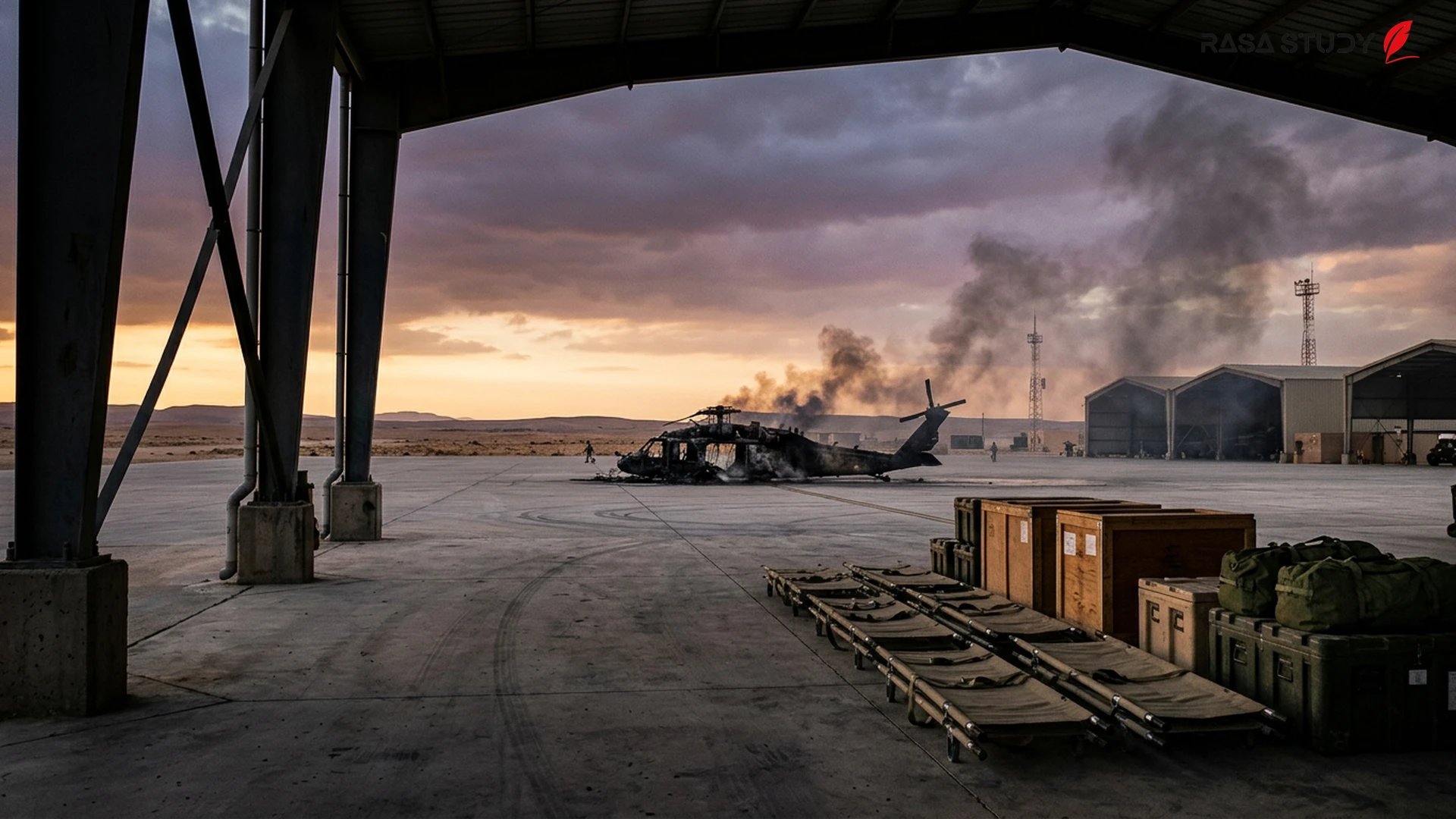
Deployment of 50,000 Troops and Naval Blockade Coinciding with the end of this phase of operations, reports indicate that more than 50,000 US military personnel across the Middle East are on High Alert [5]. These forces include rapid response units, Marines, and special forces deployed at various bases in the region to counter any potential reaction [1].
Additionally, the United States has enforced a strict naval blockade in the Strait of Hormuz. According to published reports, US naval forces have diverted the course of several commercial ships over the past three days and intercepted and inspected one vessel that failed to follow instructions [2][3]. Washington claims these actions are necessary to prevent the transfer of weapons and ensure the security of energy routes.
Field Reactions in Hormozgan and the Persian Gulf In response, local officials in Iran's Hormozgan province reported that US airstrikes caused damage to civilian infrastructure, including two strategic bridges on the Bandar Abbas-Sirjan route and a communication tunnel [4]. Regional news agencies also reported hearing massive explosions in the cities of Bushehr, Jask, and Abu Musa Island [3][4].
Tensions have not been limited to Iranian soil; reports have emerged of air defense systems being activated in Kuwait and Bahrain following drone and missile attacks attributed to Iranian-backed forces [3]. Iran's Islamic Revolutionary Guard Corps (IRGC) has also claimed to have stopped four ships that intended to pass illegally through the Strait of Hormuz with the support of the US Navy [2].
Political and Diplomatic Roots of the Crisis This new round of conflict began after Washington accused Tehran of violating a peace memorandum mediated by Pakistan [2]. White House Press Secretary Karoline Leavitt announced that the recent strikes were a response to Iran's targeting of commercial vessels in the Strait of Hormuz [2]. While the international community calls for restraint from both sides, the heavy US military presence and the alert status of 50,000 soldiers indicate the likelihood of this crisis prolonging through the summer of 2026 [5].
CENTCOM announced that 50,000 military personnel are on full alert to counter potential Iranian reactions.
linkSources
- ABD İran'a Yönelik Askeri Operasyonlarını Tamamladı, 50 Bin Asker Teyakkuzda — Haber TR (2026-07-18)
- US completes new wave of strikes against Iran, marking 6th night of operations — Anadolu Agency (2026-07-17)
- CENTCOM says US completes seventh straight night of strikes on Iran — Fox News (2026-07-18)
- İran: ABD, Hürmüzgan'da 2 köprü ve 1 tüneli hedef aldı — TRT Haber (2026-07-18)
- Over 50,000 US military officers operating in Middle East, says CENTCOM — Middle East Eye (2026-07-17)