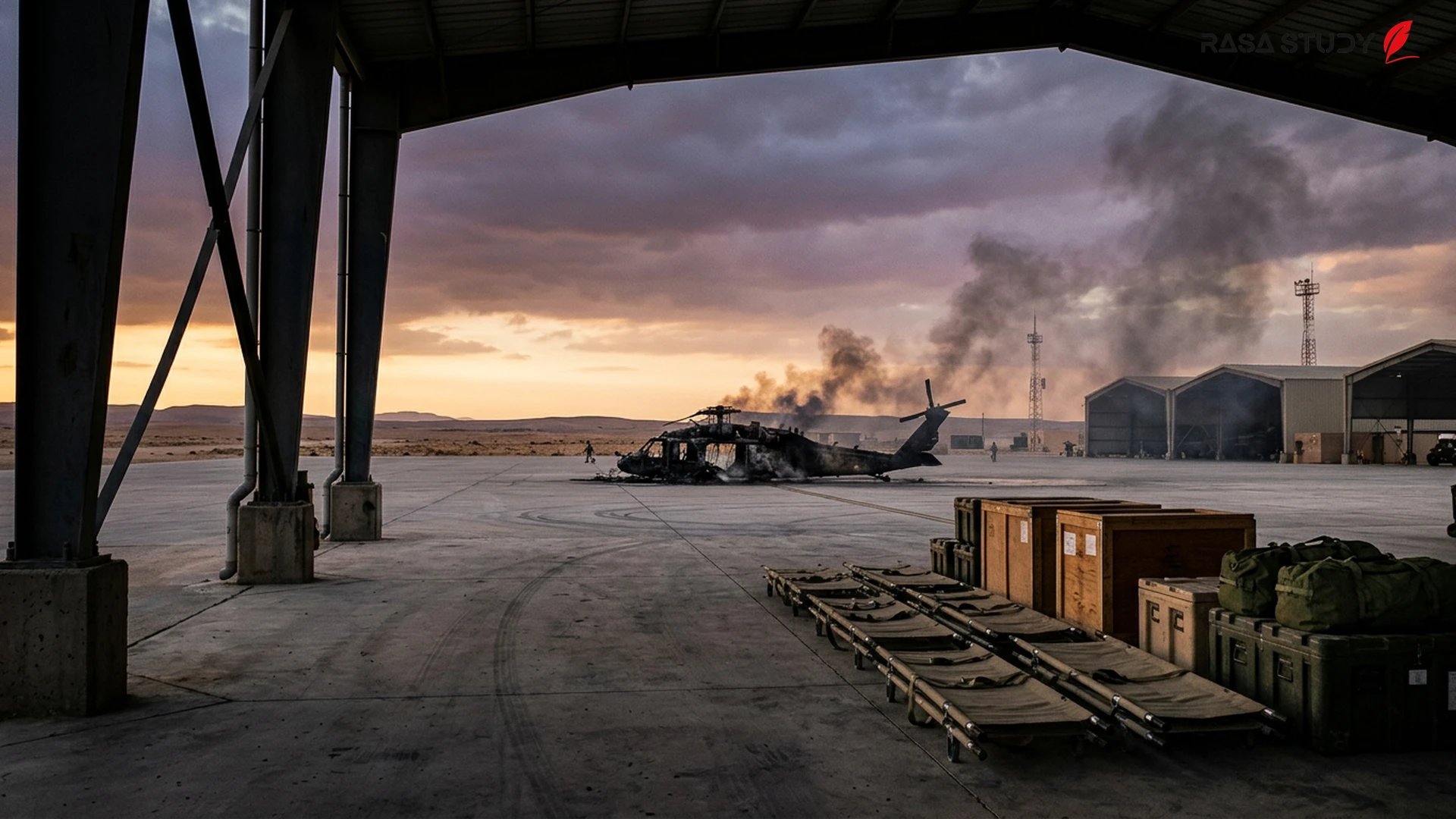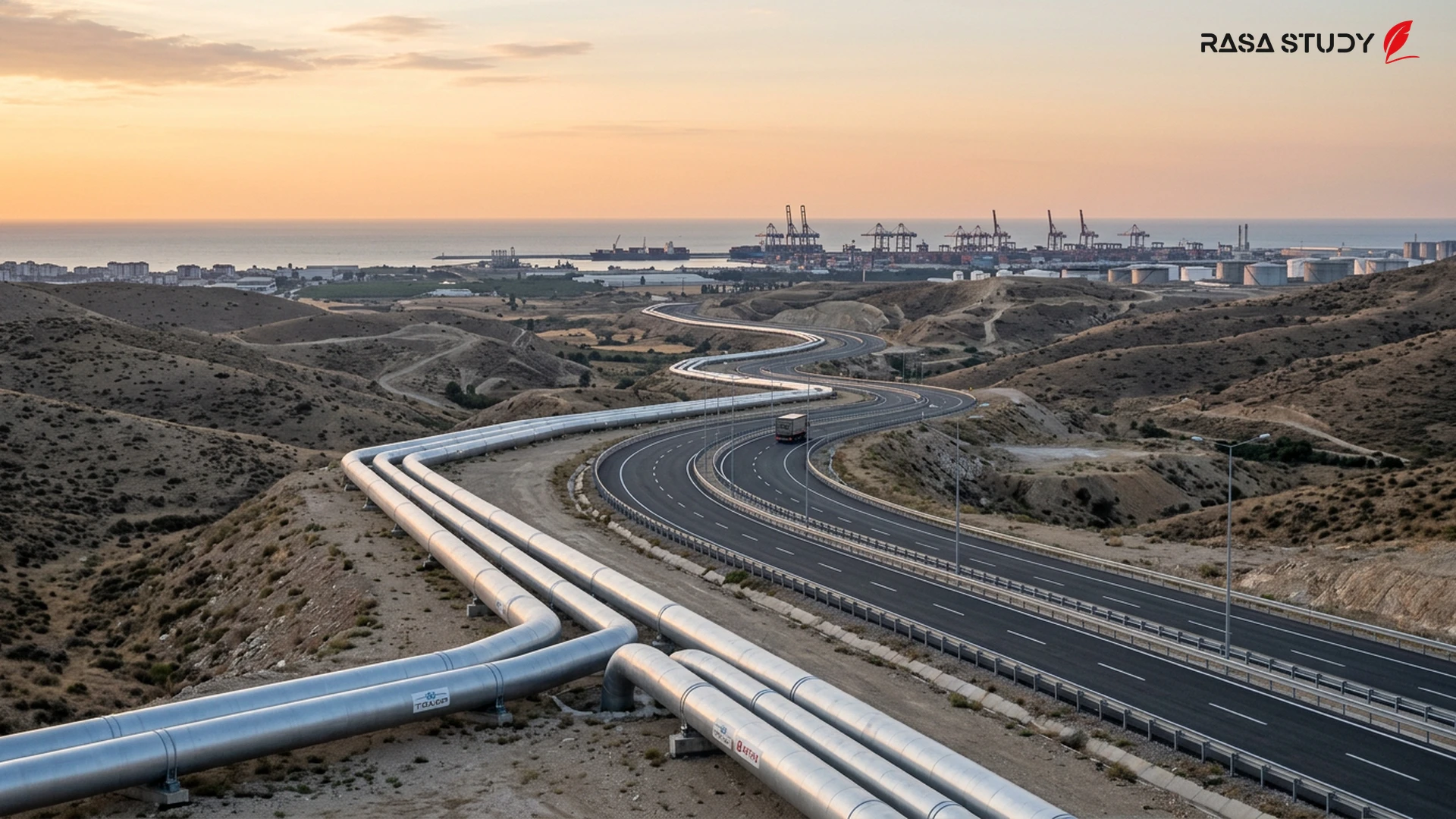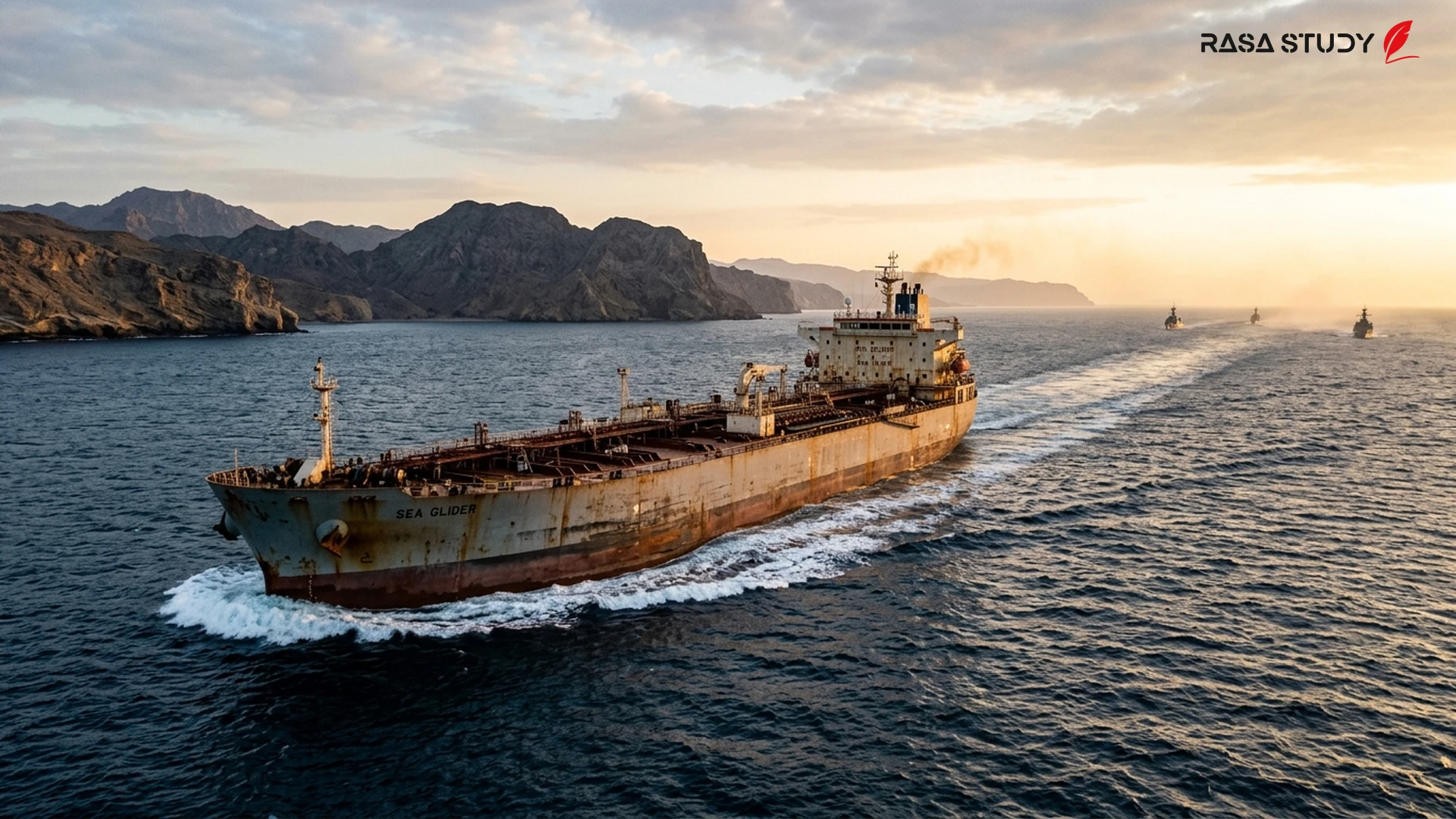
On June 15, 2026, the Middle East witnessed a major shift with the announcement of a peace memorandum of understanding between Donald Trump and Iran's new leadership. This agreement, ending a three-month war, has redefined the balance of power between Turkey and Russia.
Today, June 15, 2026, the Middle East region has entered a historic phase with the official announcement of a Memorandum of Understanding (MoU) between the United States and Iran. Prominent analyst Omur Celikdonmez, in an article for "DikGazete," emphasizes that this peace not only ends direct military conflicts but also realigns the region's geopolitical structure in favor of new energy and power balances [1]. This agreement, reached after a tense three-month war, includes the immediate reopening of the Strait of Hormuz and the lifting of the naval blockade on Iranian ports [2].
Historic Agreement Between Washington and Tehran U.S. President Donald Trump, announcing the news on the "Truth Social" platform, reported the resumption of oil flow and the end of military operations on all fronts, including Lebanon [3]. This agreement comes as Iran, following the events of February 2026 and a change in leadership level under the guidance of Mojtaba Khamenei, seeks the lifting of economic sanctions and the release of its frozen assets [5]. According to diplomatic sources, this 14-point memorandum, which some call the "$300 Billion Peace," outlines a 60-day path to reaching a comprehensive nuclear and security agreement [2][5].
Turkey and Russia; Energy Negotiations in the Shadow of Peace Simultaneously with these developments, Turkey is consolidating its position on the new energy map. Turkish Foreign Minister Hakan Fidan departs for Moscow tomorrow for a two-day visit to discuss maritime security in the Black Sea and regional balances with Sergey Lavrov and Vladimir Putin [4]. This trip occurs as the state-owned company BOTAŞ has begun intensive negotiations with Russia's Gazprom to extend gas supply contracts beyond 2026. Leveraging the de-escalation between Iran and the West, Turkey intends to strengthen its role as an energy bridge between East and West [1].
Impact on Global Markets and Challenges Ahead The announcement of the peace news immediately caused a drop in global oil prices and a surge in stock markets [2]. However, this agreement also has fierce opponents. The Israeli government and some hardline factions in Washington view this agreement as strengthening Iran's regional influence and have expressed doubts about its sustainability [5]. Celikdonmez believes that the success of this new order will depend on how energy competition between Russia and other suppliers in the European market is managed. The reopening of the Strait of Hormuz could increase pressure on Russia to keep its gas prices competitive [1][3].
The peace agreement between the US and Iran in June 2026 has completely transformed trade routes and the balance of power in the Middle East.
linkSources
- ABD-İran barışı Ortadoğu'yu yeniden şekillendirirken Türkiye, Rusya ve enerji dengelerinde yeni dönem! — dikGAZETE.com (2026-06-15)
- World reacts as Iran and US reach tentative deal to end war — Al Jazeera (2026-06-15)
- Middle East crisis live: Trump claims ships carrying oil are moving out of strait of Hormuz — The Guardian (2026-06-15)
- Turkey's foreign minister to visit Moscow for talks on Ukraine, Black Sea — Reuters (2026-06-15)
- 300 milyar dolarlık barış: Washington ile Tahran arasında yeni Ortadoğu düzeni mi kuruluyor? — Habertürk (2026-06-15)