As the potential date for signing the peace agreement between Iran and the United States in Geneva approaches, the world watches Switzerland with a mix of fear and hope to witness the end of one of the most critical military conflicts in the Persian Gulf region.
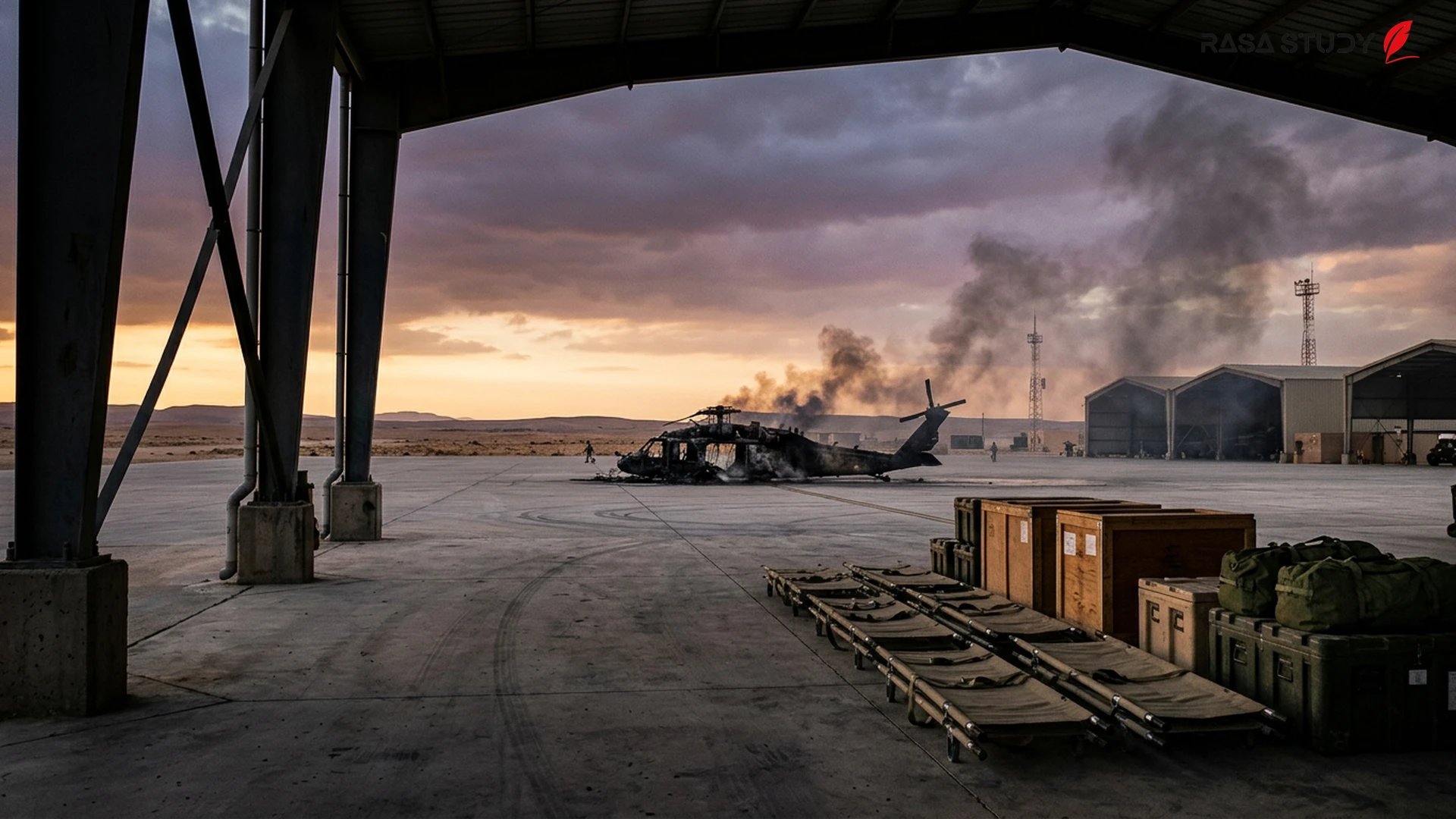
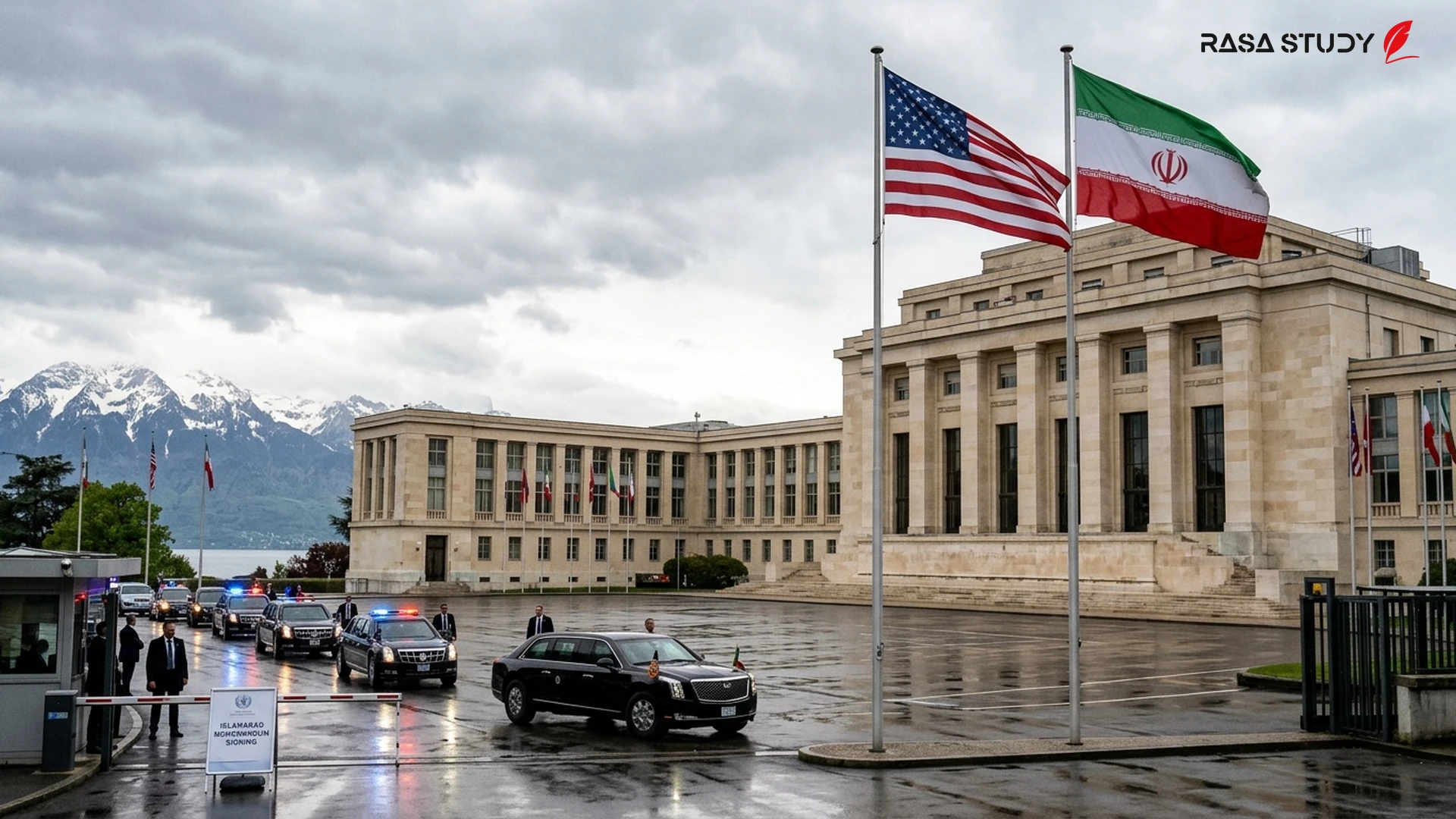
Today, June 13, 2026, diplomatic reports indicate that the city of Geneva in Switzerland is preparing to host a historic ceremony. According to claims by the Turkish newspaper '24 Saat' and international news sources, the peace agreement between Iran and the United States, known as the 'Islamabad Memorandum,' is expected to be signed tomorrow in this city [1][2]. This agreement is regarded as a diplomatic turning point following a period of intense tension and a 100-day battle that shook global energy markets.
Geneva: The Hub of Global Diplomacy News sources have reported that four US Air Force C-17 transport aircraft carrying logistical equipment have arrived in Europe, indicating preparations for the presence of high-ranking officials in Geneva [2]. It is said that JD Vance, the US Vice President, and Mohammad Bagher Ghalibaf, the Speaker of the Iranian Parliament, are the primary candidates to sign this document [5]. Although the Iranian Ministry of Foreign Affairs stated that no final agreement has been reached yet, Foreign Minister Abbas Araghchi emphasized that the parties are closer to a mutual understanding than ever before [3].
Key Details of the Islamabad Memorandum This memorandum, drafted with active mediation from Pakistan and Qatar, includes several vital clauses aimed at immediate de-escalation. According to leaked drafts, the agreement includes a 60-day ceasefire covering not only Iran's borders but also the battlefronts in Lebanon [4][5].
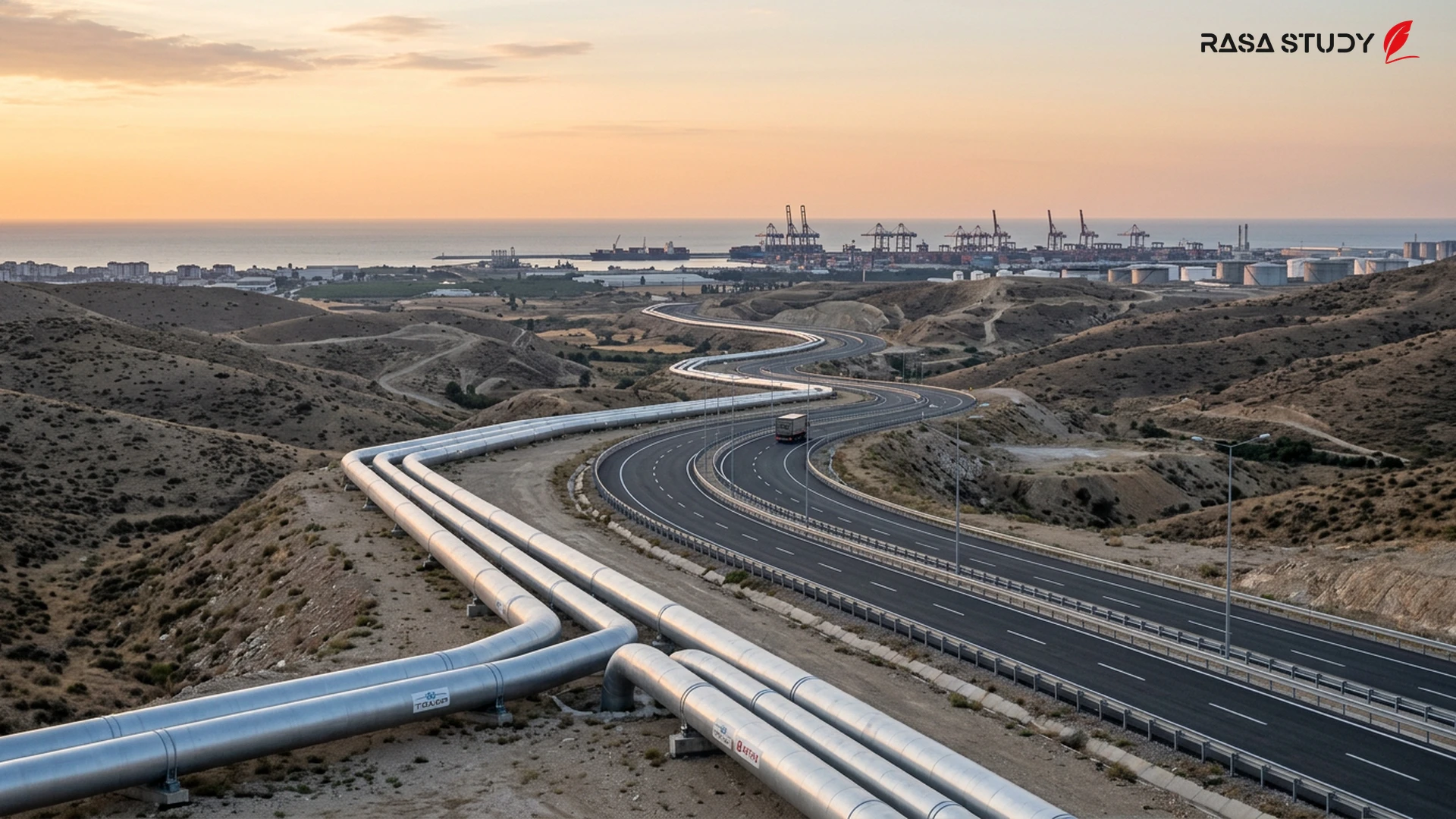
One of the most significant achievements of this agreement for the global economy is the immediate reopening of the Strait of Hormuz without any transit tolls. In return, the United States commits to lifting the naval blockade of Iranian ports within 30 days and releasing approximately $24 billion in frozen Iranian assets [3][5]. Additionally, the document outlines a 60-day path for more comprehensive negotiations regarding Iran's nuclear program [2].
Challenges and Domestic Reactions Despite the optimism of US President Donald Trump, who spoke of a 'Grand Settlement,' doubts remain within both Iran and the US. Iranian Foreign Ministry spokesperson Esmaeil Baghaei warned that Washington's frequent changes in position in recent days have made finalizing the text difficult [2][3]. On the other hand, critics in Washington worry that the deal grants too many concessions to Tehran without sufficient nuclear guarantees.
Nevertheless, the decline in oil prices on global markets over the past 24 hours reflects traders' hope for the success of the Geneva negotiations. If the signing takes place as scheduled on June 14, it could end one of the largest military crises of the 21st century in the Middle East [5].
Geneva prepares to host the potential signing ceremony of the peace memorandum between Tehran and Washington on June 14, 2026.
linkSources
- İddia: ABD-İran barış anlaşması Cenevre'de imzalanabilir — 24 Saat Gazetesi (2026-06-12)
- All eyes on Geneva as US-Iran talks near critical stage — Hürriyet Daily News (2026-06-12)
- West Asia War updates: Abbas Araghchi says draft U.S. deal includes ending naval blockade — The Hindu (2026-06-13)
- U.S.-Iran memorandum of understanding likely to be signed next week — CBS News (2026-06-11)
- Iran-US peace deal expected in Geneva to include Hormuz reopening — Rising Kashmir (2026-06-12)