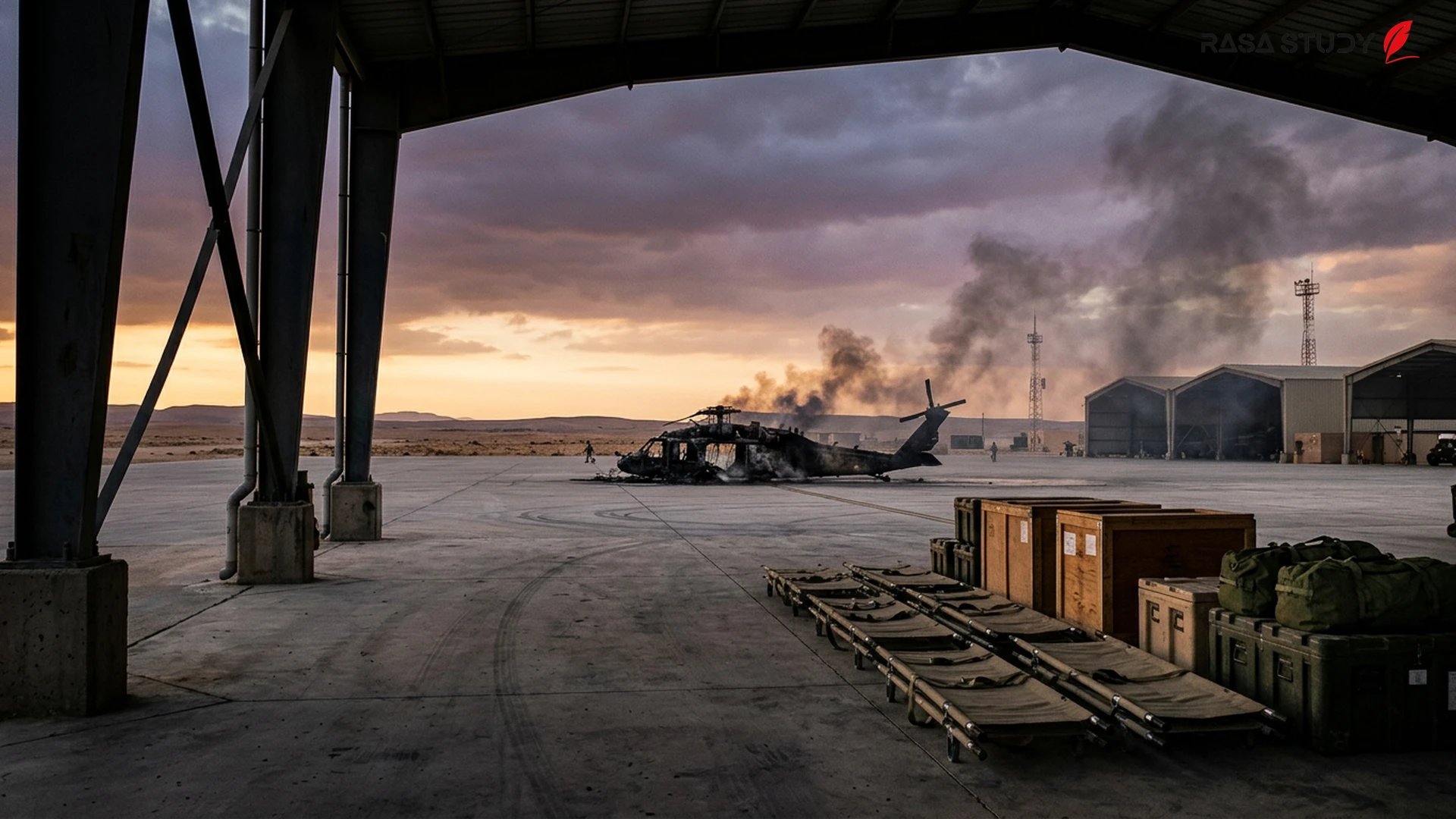
Global financial markets witnessed a massive rally today, June 15, 2026, following the announcement of a peace agreement between the United States and Iran to end four months of conflict, accompanied by a significant drop in oil prices.
Rally in Asian and European Stock Markets
The announcement of a Memorandum of Understanding (MOU) between Washington and Tehran injected a wave of unprecedented optimism into financial markets. Japan's Nikkei 225 jumped 5.5% and South Korea's KOSPI rose 5.7%, leading the rally in Monday morning trading [1]. In US futures markets, the S&P 500 and Nasdaq indices grew by 1% and 1.8% respectively [1.1.1]. Economic analysts believe this agreement, which ends a 15-week war, has drastically reduced geopolitical risks and increased appetite for risky assets [1.3.4].
Energy Price Collapse and Reduced Inflationary Pressures
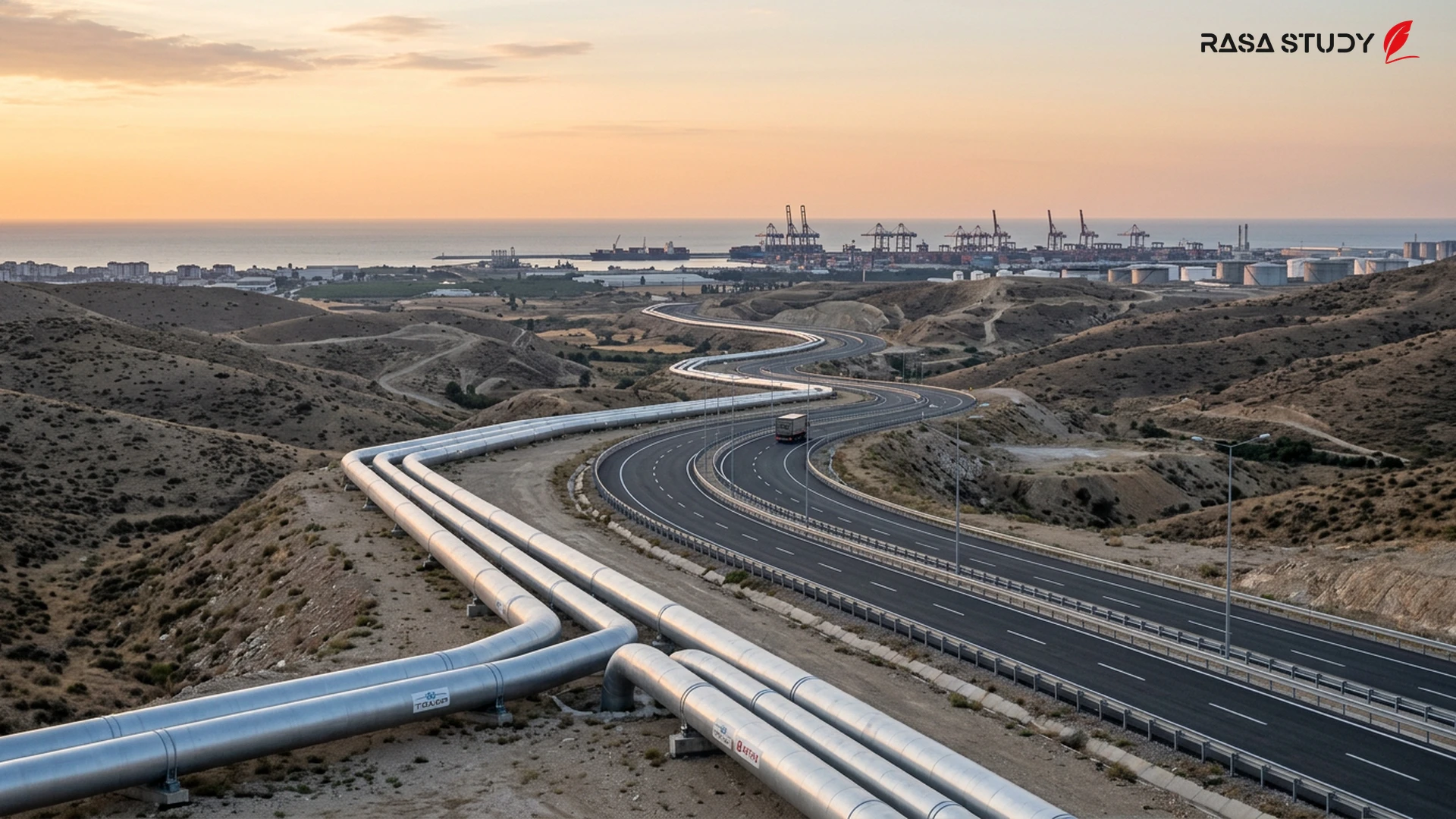
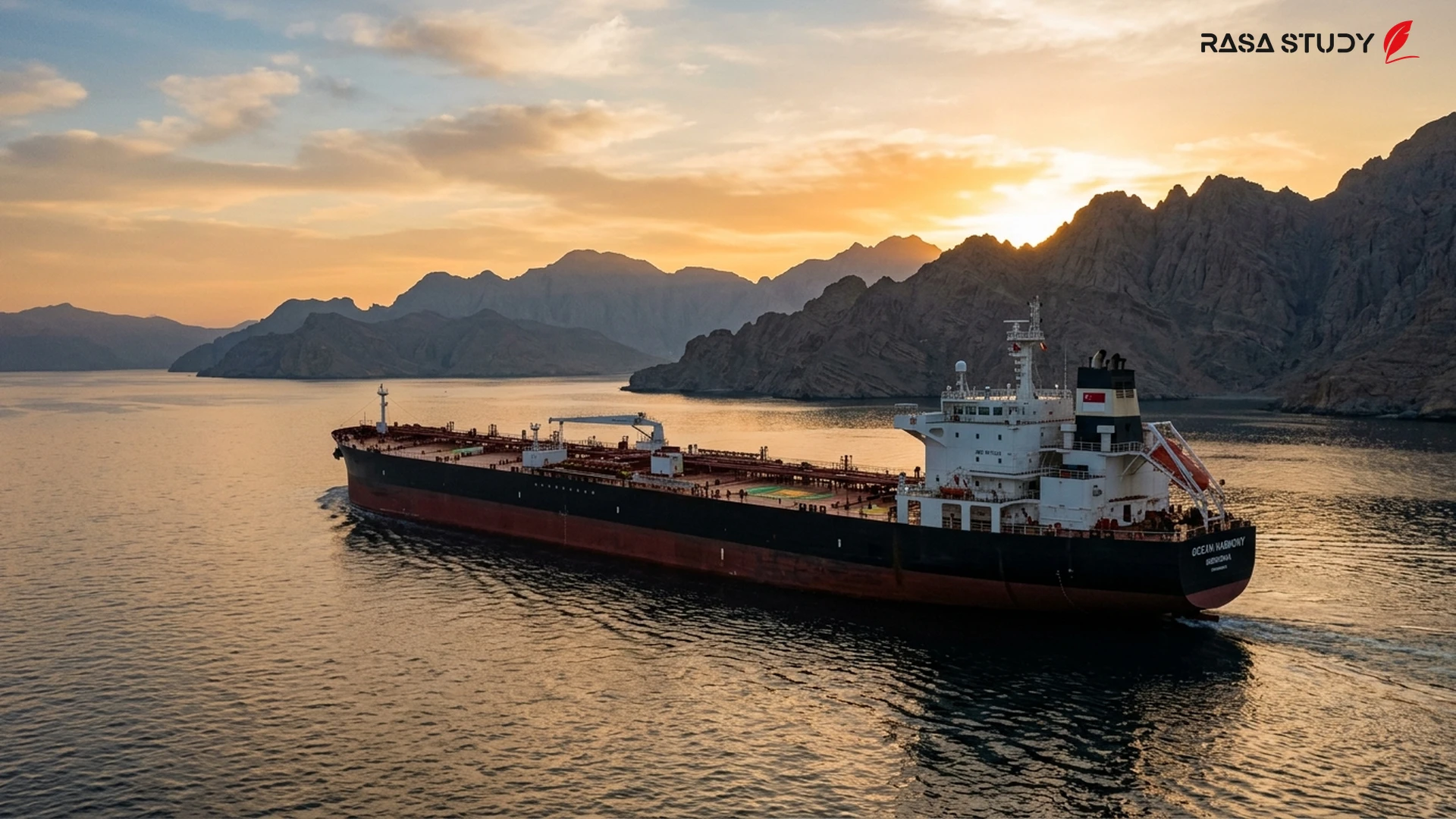
One of the most significant immediate consequences of this agreement was the freefall of global oil prices. Brent crude fell by more than 4.5% to approximately $83.40 per barrel, its lowest level in three months [1.1.1, 4]. The imminent reopening of the Strait of Hormuz, which was previously blocked due to the conflict and supplied one-fifth of the world's oil, has significantly eased concerns over energy shortages and global inflation [1.3.3]. US President Donald Trump announced in a message that with the formal signing of the agreement, the Strait of Hormuz will be reopened "toll-free" and the blockade of Iranian ports will end [1.1.2, 2].
Details of the Memorandum of Understanding and Reopening of the Strait of Hormuz
This agreement, achieved through active mediation by Pakistan and Qatar, includes a temporary framework to end military operations on all fronts, including Lebanon [1.1.4, 1.2.2]. According to this MOU, a 60-day ceasefire period will be established for the parties to negotiate more complex issues, including Iran's nuclear program and the full lifting of sanctions [1.4.3]. Iranian officials have confirmed that the reopening of the Strait of Hormuz will take place within the next 30 days under specific security arrangements [1.3.8]. The official signing ceremony for this contract is scheduled to be held on Friday, June 19, 2026, in Switzerland [1.1.4].
Diplomatic Challenges and International Reactions
While G7 leaders and the UN Secretary-General have welcomed this diplomatic breakthrough as a vital step for global stability, some challenges remain [1.2.3, 1.2.6]. Israeli officials expressed skepticism toward the agreement, stating they do not consider themselves bound to stop operations against Hezbollah positions in Lebanon [2]. Furthermore, issues such as the nature of IAEA inspections and the release of Iran's frozen assets will be sensitive points of negotiation in the upcoming 60-day period [1.4.5, 3]. Nevertheless, the positive market reaction reflects deep hope for the end of one of the most dangerous energy crises in modern history [1.3.3].
Tokyo Stock Exchange trading board on June 15, 2026; the Nikkei index grew by more than 5% following the peace agreement announcement.
linkSources
- Stock markets soar, oil falls as US and Iran announce framework to end war — Al Jazeera (2026-06-15)
- U.S., Iran reach a deal to end fighting, both sides say — The Washington Post (2026-06-15)
- What do we know about the US-Iran peace deal – and what questions remain? — The Guardian (2026-06-15)
- Oil hits 3-month low as US, Iran reach peace deal to reopen Strait of Hormuz — CNBC Africa (2026-06-15)