While Donald Trump announced the official end of the ceasefire with Iran at the NATO summit in Ankara, Turkey's economy faces new challenges, including a spike in energy prices and the threat to $30 billion in trade.
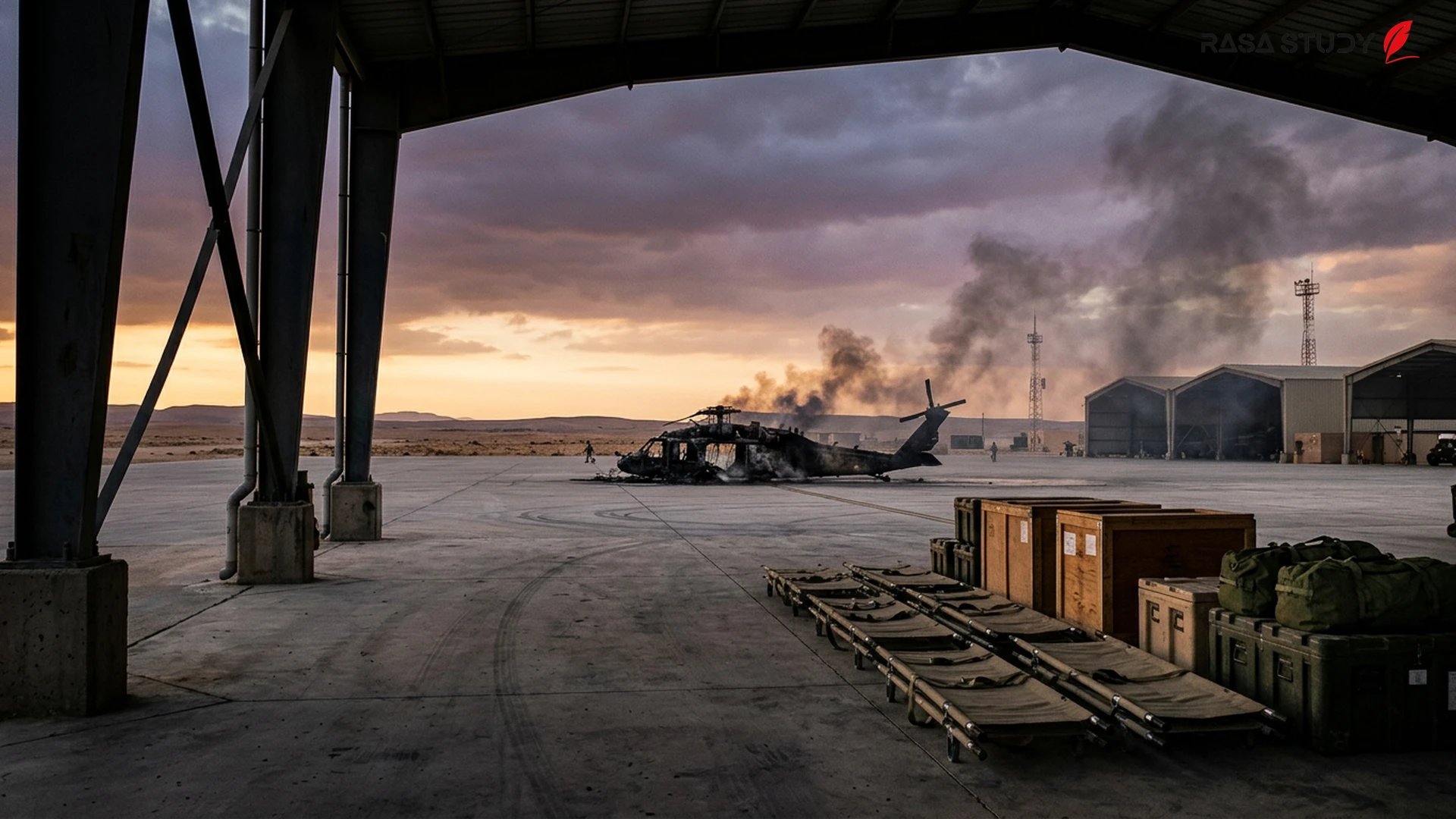
The Shadow of War Returns to the Persian Gulf and the Ankara Summit On July 10, 2026, the Middle East is once again witnessing an unprecedented escalation of tensions. US President Donald Trump announced during the NATO summit in Ankara that the fragile three-month ceasefire with Iran has ended [2]. These remarks followed retaliatory attacks in the Strait of Hormuz and US airstrikes on positions along the Iranian coast. Turkey, hosting this major international summit, now finds itself at the center of a geopolitical crisis that directly targets its economic stability [4].
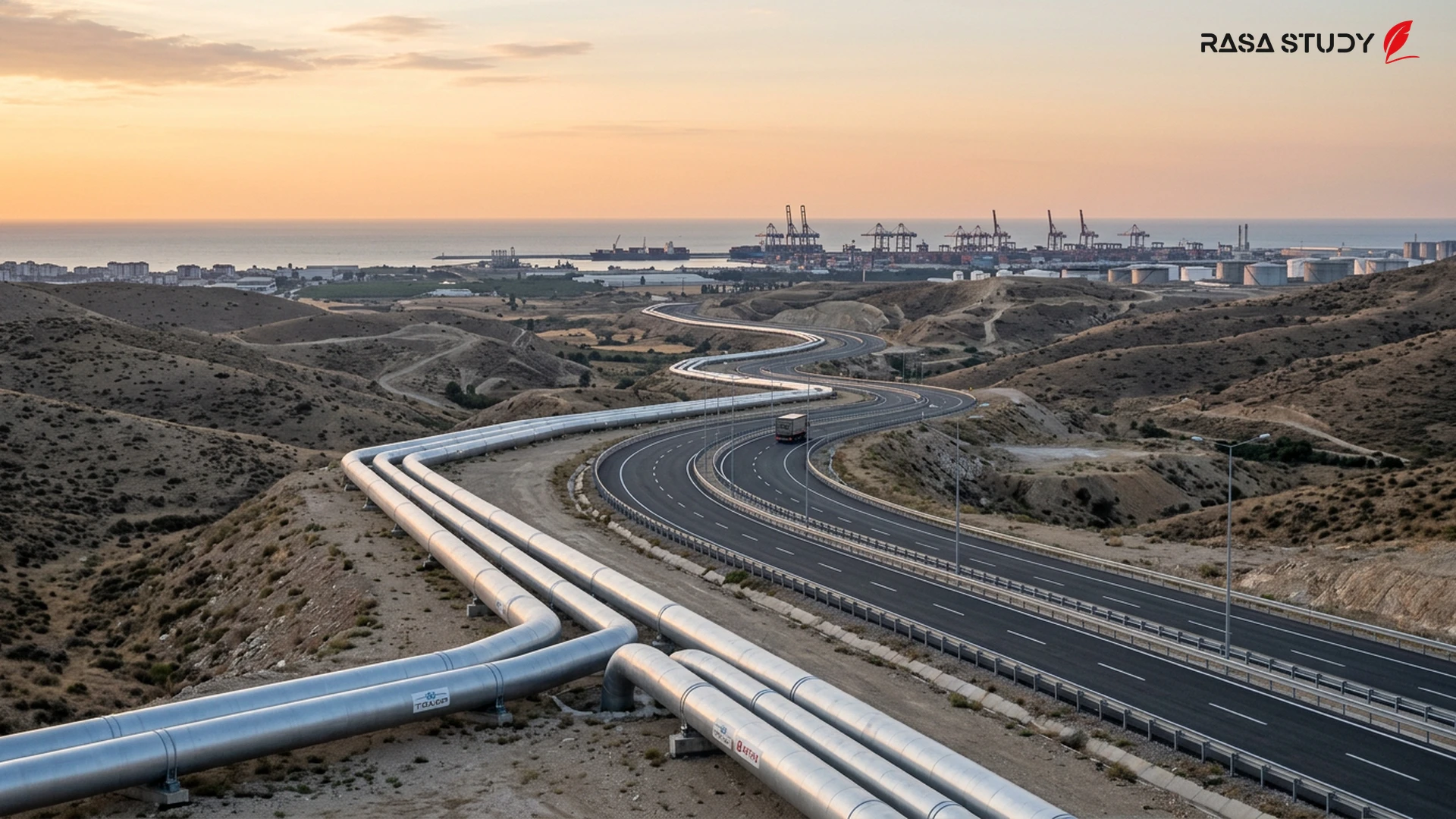
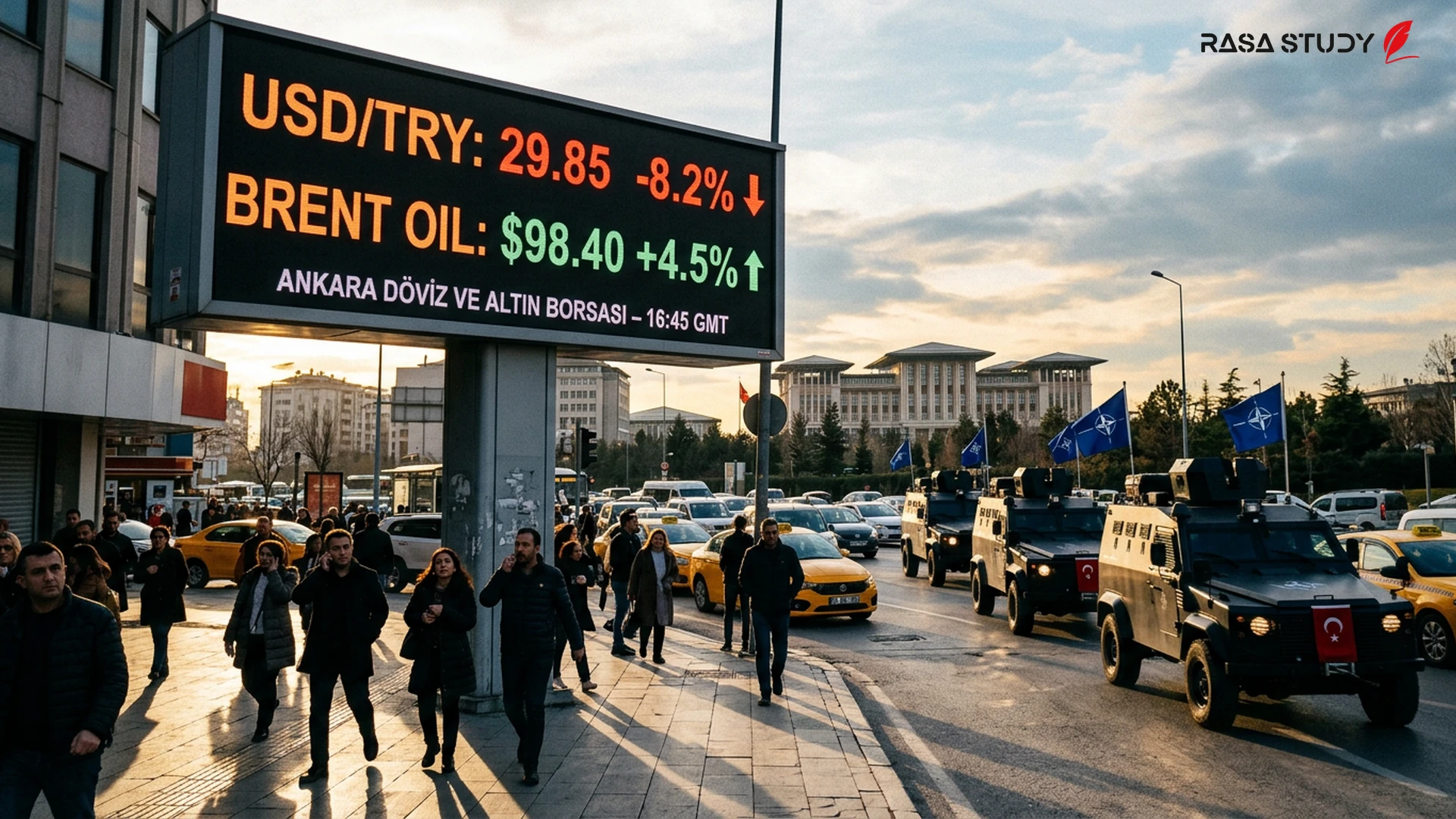
Oil Shock and Pressure on Ankara's Trade Balance One of the most immediate consequences of this tension has been a jump in global oil prices. Brent crude oil prices, crossing the $80 per barrel mark, have put additional pressure on Turkey's energy-dependent economy [4]. Experts warn that the continuation of this situation could significantly increase Turkey's budget deficit. Given the heavy reliance of Turkish industries on fuel imports, any disruption in Persian Gulf transit routes or an increase in global prices raises domestic production costs and exacerbates inflation [1].
The Fate of $30 Billion in Exchanges in Limbo Just days before these conflicts, Iranian and Turkish trade officials had consulted in Istanbul to upgrade the preferential trade agreement to free trade, aiming for a $30 billion exchange volume [5]. Now, with the return of oil sanctions and the revocation of Iranian oil sale licenses by the US Treasury, this economic outlook faces a serious threat. Turkey, which considers Iran one of its top three trading partners, is caught between the pressure to comply with international sanctions and the need to maintain bilateral trade relations [3].
The Turkish Lira in the Midst of a Geopolitical Storm Turkish financial markets reacted quickly to the news of the ceasefire's end. The Turkish Lira, which had experienced relative stability in recent months, is once again under selling pressure. Analysts believe that the perception of "war in the region" leads to the exit of short-term capital and a decrease in tourist reservations during the peak travel season [1]. Although Trump referred to Turkey as a "great ally" in Ankara, the realities on the ground show that the economic costs of this alliance are rising for Ankara [4].
The NATO summit in Ankara (July 2026) was overshadowed by new attacks in the Persian Gulf and a spike in energy prices.
linkSources
- ABD ile İran arasında gerilim! Türkiye ekonomisi nasıl etkilenir? — Kayserim.net (2026-07-09)
- Ateşkes bitti dedi, tansiyon yükseldi! ABD-İران arasında yine füzeler konuştu — CNN Türk (2026-07-09)
- 2026 Iran war: Conflict and Global Impact — Britannica (2026-07-09)
- US stock markets fall amid Iran strikes and potential higher interest rates — The Guardian (2026-07-08)
- Free Trade Agreement: Iran and Turkey's New Target for Economic Leap — Rasa Study (2026-07-03)