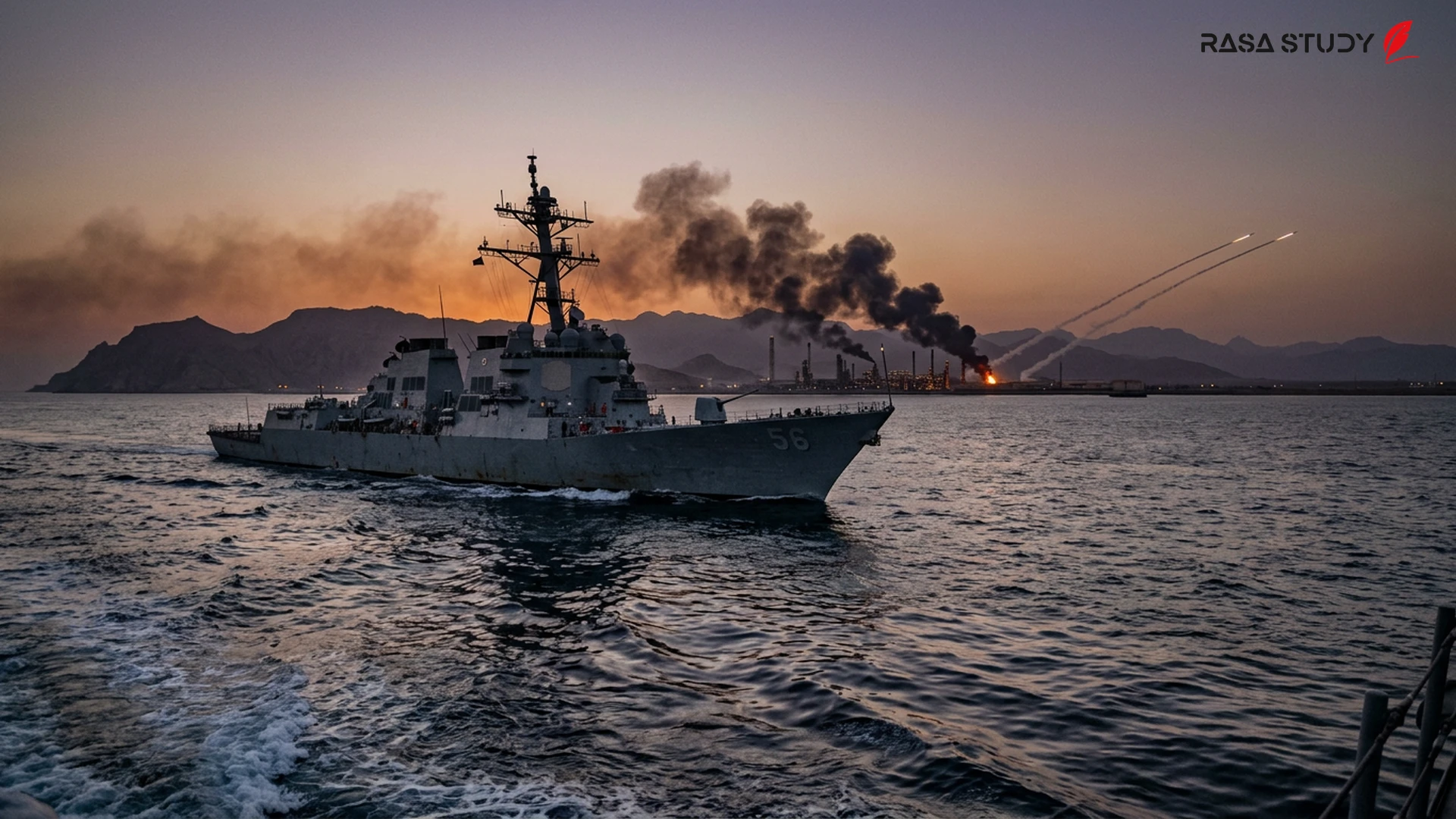
Only weeks after signing a peace memorandum, the Middle East is once again on the brink of a full-scale and devastating military conflict as the ceasefire between Washington and Tehran collapsed in July 2026.
Collapse of the Islamabad Accord and the Start of the Second Wave of Conflict Tensions between the United States and Iran, which had reached a relative calm following the signing of the "Islamabad Memorandum of Understanding" on June 17 after the intense clashes of February 2026, have once again reached a breaking point. This agreement, signed by Donald Trump and Masoud Pezeshkian, was intended to pave the way for the lifting of sanctions and the reopening of the Strait of Hormuz [3]. However, as of July 7, 2026, following several maritime incidents and attacks on commercial vessels in US-proposed routes, Washington officially declared the end of the ceasefire [2].
Regional media, including "Yeni Şafak," have reported that this return to war is the result of a deadlock in nuclear negotiations and Iran's insistence on full control of maritime traffic in the Strait of Hormuz [4]. Iran claims the right to manage passage and collect tolls from ships, a matter that has met with fierce opposition from the United States and its allies.
Four Nights of Heavy CENTCOM Strikes and Naval Blockade U.S. Central Command (CENTCOM) confirmed on July 15, 2026, that for the fourth consecutive night, it conducted extensive strikes against military targets on Iranian soil. These attacks, which lasted more than seven hours, targeted Iranian missile sites, drone facilities, and coastal defense systems near the Strait of Hormuz and cities such as Bushehr and Bandar Abbas [1].
Simultaneously with these attacks, President Trump has ordered the return of the naval blockade of Iranian ports. The aim of this move is to paralyze Iran's remaining exports and force Tehran to accept Washington's new terms. Trump has also threatened that if Iran does not return to the negotiating table, attacks will expand next week to critical infrastructure, including power plants and bridges [2].
Iran's Missile Response and the Threat to Nuclear Facilities In response to the US attacks, the Islamic Revolutionary Guard Corps targeted US military bases in Bahrain (headquarters of the Fifth Fleet) and Kuwait by launching dozens of ballistic missiles and drones [1]. Jordan also announced that it intercepted and destroyed several Iranian missiles that had entered its airspace [2].
One of the most concerning aspects of the current crisis is the direct threat against Iran's nuclear facilities. Intelligence reports indicate that uranium enrichment at the Fordow and Natanz sites has approached critical levels of 90% [3]. In recent statements, Trump specifically referred to "Pickaxe Mountain" and warned that if Iran does not retreat, these fortified underground facilities will be targeted [1].
Economic Consequences and Diplomatic Deadlock The return to a state of war has caused oil prices to jump again in global markets. Although Trump has backed away from his initial proposal to impose a 20% tariff on shipments passing through the Strait of Hormuz, insecurity in this strategic waterway has caused major shipping companies to suspend their operations [2]. Currently, diplomatic efforts by countries such as Oman and Pakistan to revive the ceasefire continue, but given the destruction of trust between the parties, reaching a lasting agreement in July 2026 seems more difficult than ever [1].
Military tensions between Washington and Tehran in July 2026 have reached their highest level in decades.
linkSources
- Iran war updates: US launches 'additional round of strikes' — Al Jazeera (2026-07-15)
- U.S. wraps up 4th consecutive night of strikes, CENTCOM says — CBS News (2026-07-15)
- 2026 Iran war: Conflict and Ceasefire Analysis — Britannica (2026-07-14)
- Savaş yeniden alevlendi: ABD İran'ı hedef gösterdi — Yeni Şafak (2026-05-28)


