The United States government delivered a new shock to global markets on July 8, 2026, by revoking special licenses for Iranian oil exports. This decision follows attacks on tankers in the Strait of Hormuz and a heavy military response from Washington.
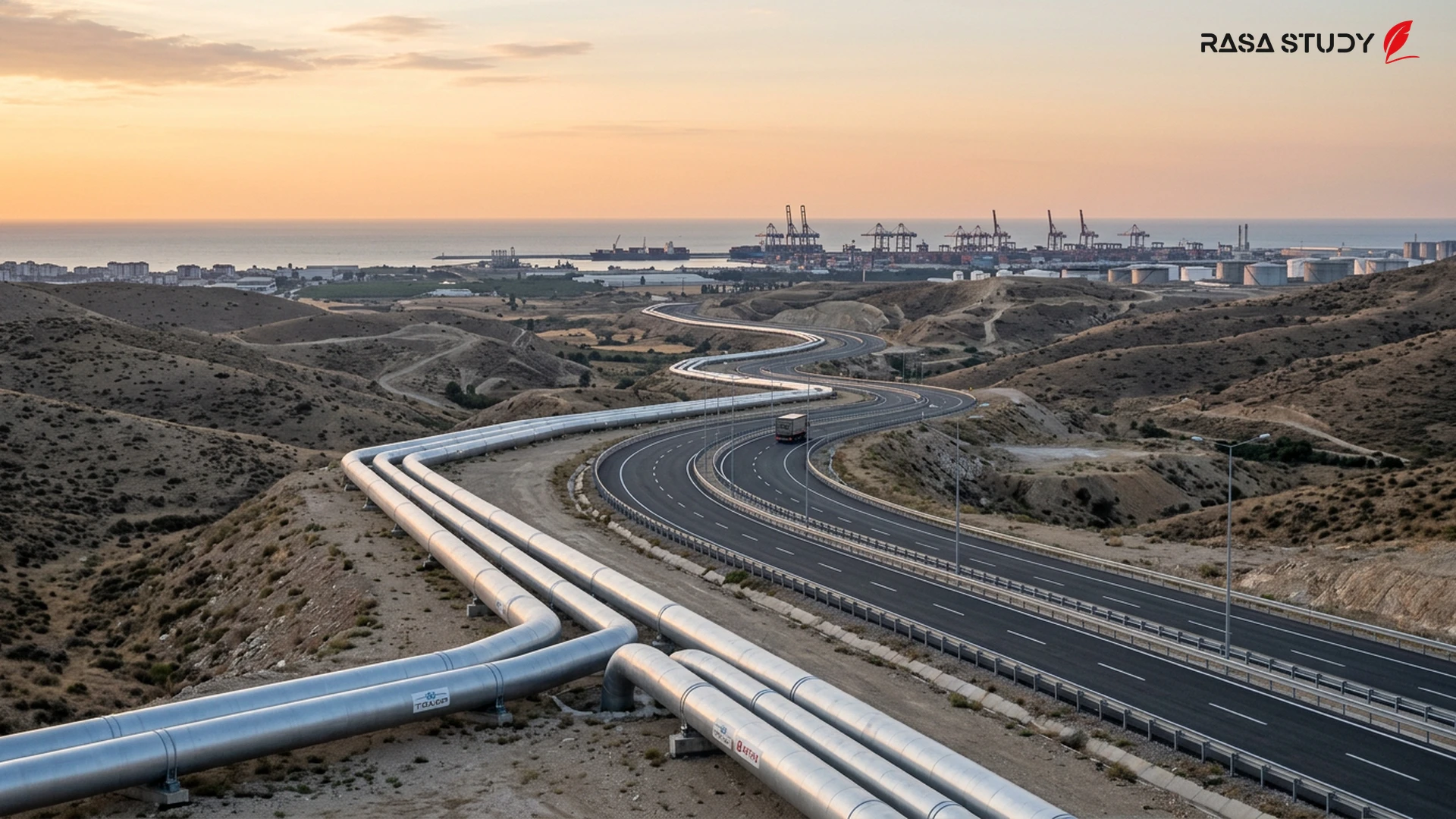
End of General License X and Return of Oil Sanctions The U.S. Department of the Treasury (OFAC), in an immediate move, revoked the so-called "General License X," which had been issued only three weeks ago. This license allowed Iran to supply its oil and petrochemical products to global markets under specific conditions as part of a temporary Memorandum of Understanding (MOU) [1][4].
According to Washington's new statement, "General License X1" has replaced the previous version, under which any new transactions for the purchase or loading of Iranian crude oil and petroleum products have been prohibited as of July 7, 2026. Companies that had previously entered into contracts under the former waiver have only until July 17 (10 days) to wind down their activities and settle transactions [3][5].
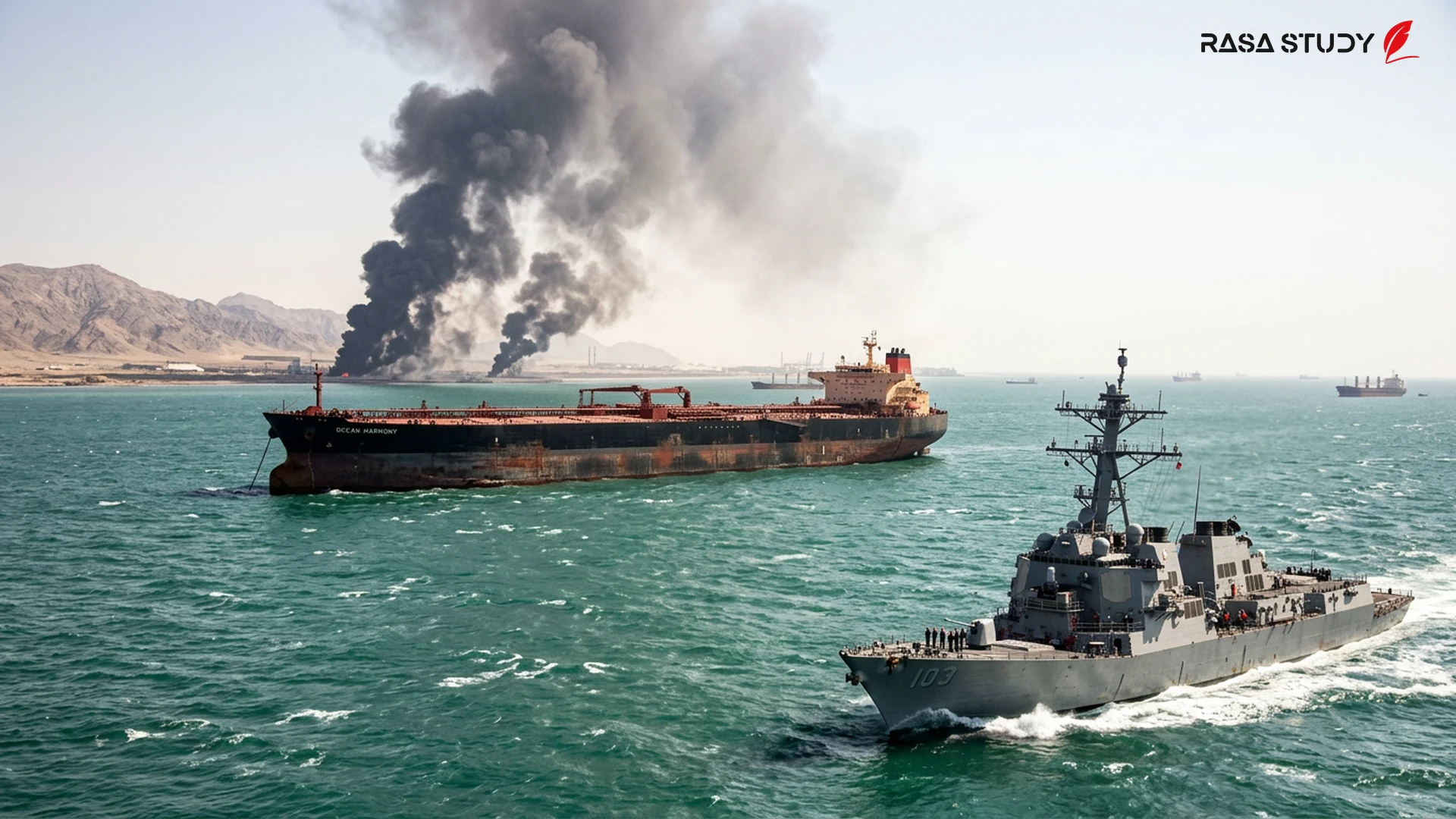
Tension in the Strait of Hormuz; The Spark for Revoking Waivers The primary reason for this sudden shift in Washington's policy is cited as the attacks on three commercial vessels and tankers in the Strait of Hormuz over the past 24 hours. Reports indicate that tankers belonging to Qatar and Saudi Arabia were targeted by unidentified projectiles [2][3].
U.S. officials stated that the temporary MOU with Tehran was "performance-based" and that Iran, by violating the ceasefire and attacking international energy trade routes, has lost its eligibility to benefit from economic advantages. A senior Trump administration official said: "Iran will only benefit from advantages if it demonstrates appropriate behavior; the recent actions in the Strait of Hormuz are completely unacceptable to us" [3][4].
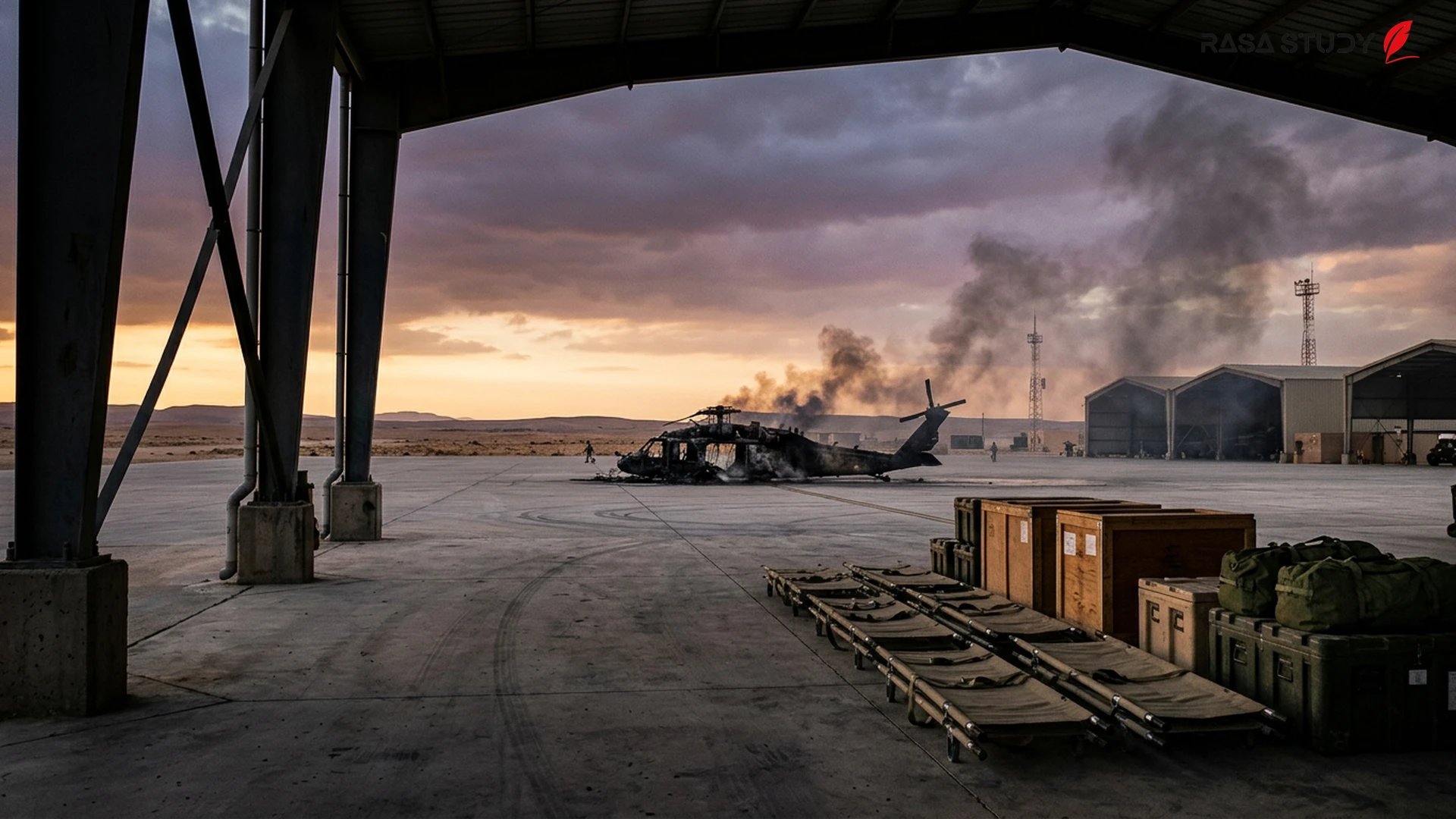
CENTCOM Military Response and Airstrikes on Bandar Abbas Simultaneous with the revocation of oil waivers, the U.S. Central Command (CENTCOM) announced the start of extensive military operations against positions on Iranian soil. According to the CENTCOM statement, more than 80 targets, including air defenses, radar sites, and IRGC speedboats in areas such as Sirik and Bandar Abbas, were attacked [2].
Iranian domestic media also confirmed massive explosions in Hormozgan province. These military clashes have severely dimmed hopes for reaching a comprehensive nuclear and diplomatic agreement, which had gained momentum in recent months [4][5].
Energy Market Turmoil and Uncertain Future of Negotiations The announcement of the waiver revocation immediately caused a price spike in the oil market. Brent crude prices rose by 5% to the $76 per barrel range, and West Texas Intermediate (WTI) climbed to $72 [3][4].
Analysts believe the early revocation of these licenses could entirely destroy the fragile infrastructure of the temporary agreement. While Washington still claims the doors to negotiation for a final agreement remain open, Tehran has described this move as a clear violation of the international understanding and warned of its consequences [2][5].
US revocation of Iran oil waivers following military tensions in the Strait of Hormuz, July 2026.
linkSources
- ABD, İran petrolüne tanıdığı geçici muafiyeti sonlandırdı — BloombergHT (2026-07-07)
- US revokes Iran oil waiver after Hormuz attacks — Al-Monitor (2026-07-07)
- Trump administration revokes Iranian oil waiver after tanker attacks — CBS News (2026-07-07)
- آمریکا معافیت فروش نفت ایران را لغو و مجوز ۱۰ روزه صادر کرد — Bourse Press (2026-07-08)
- US revokes Iran oil waivers after Iranian attacks in Strait of Hormuz — Axios (2026-07-07)