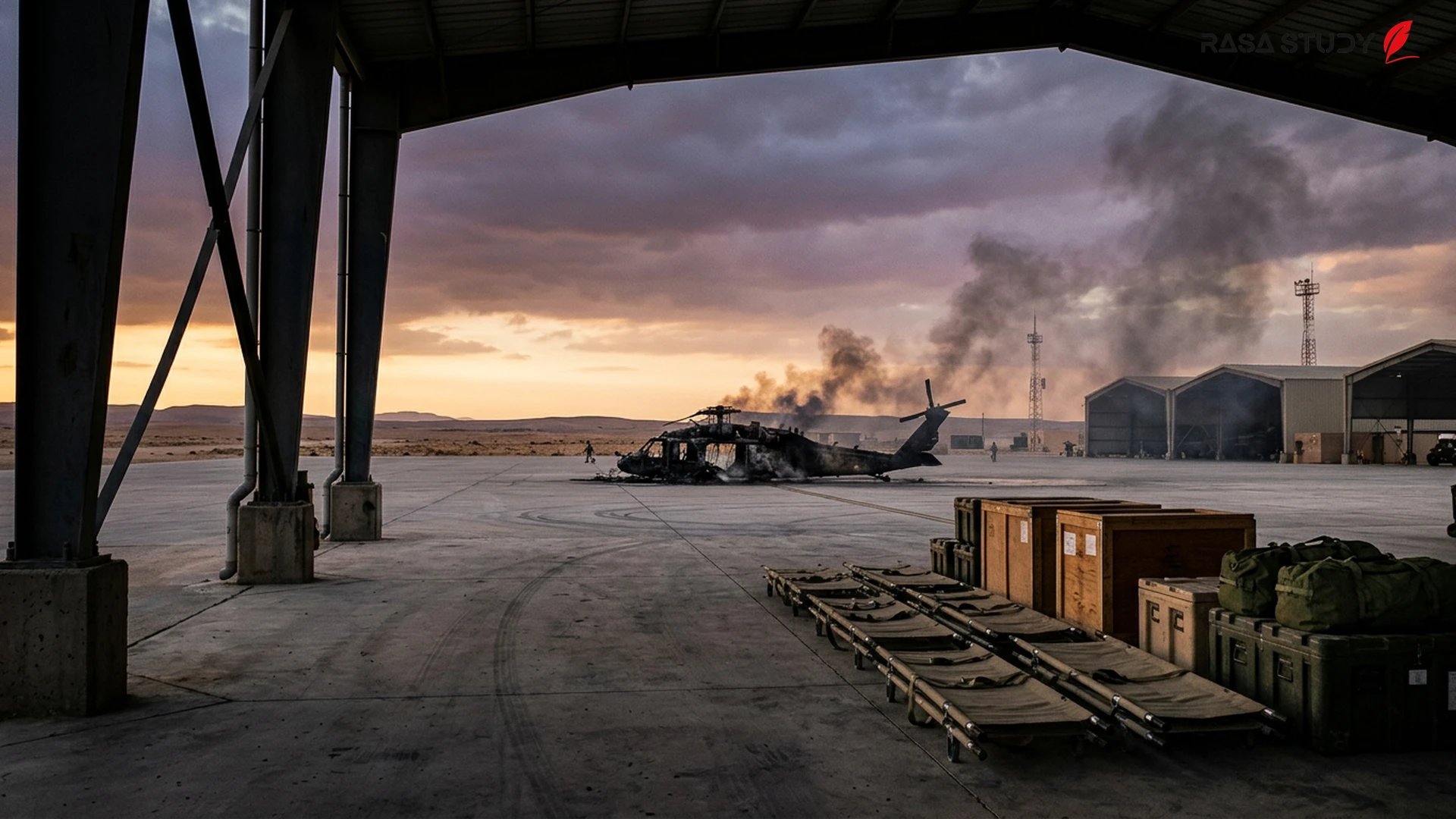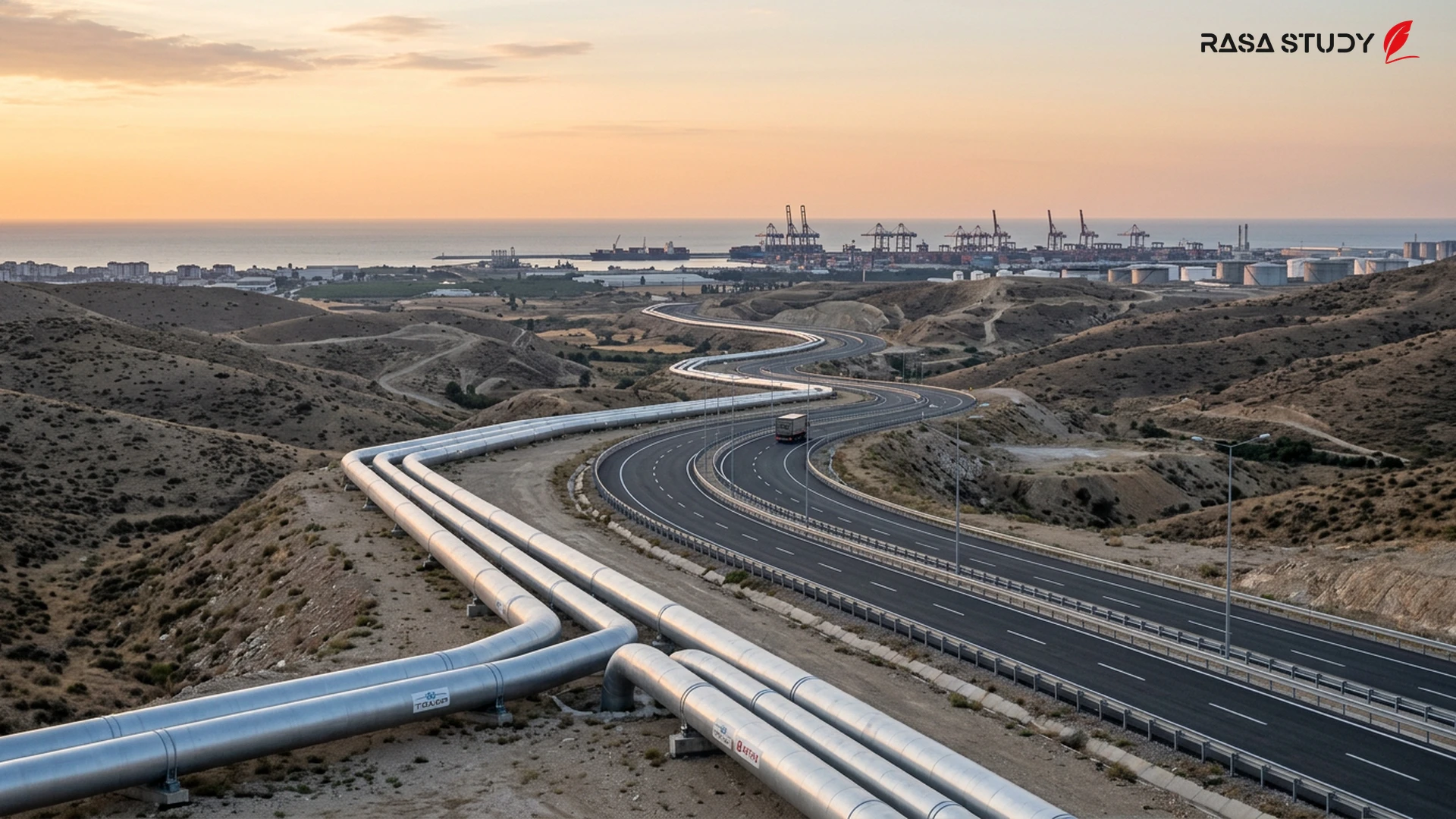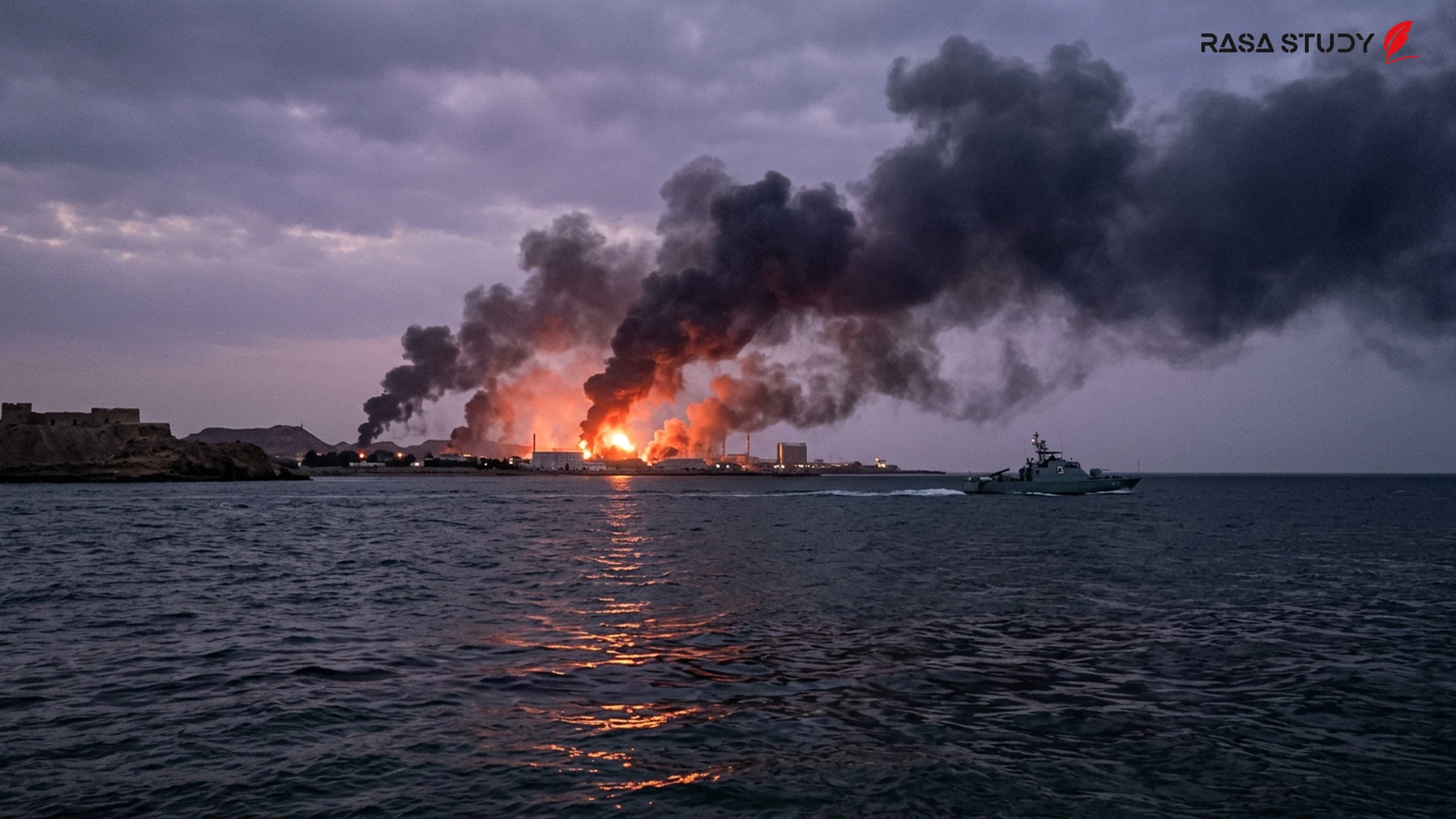
Following escalating tensions in the Persian Gulf, the United States military targeted military positions on Iranian soil for the second consecutive day. These strikes, carried out under the orders of Donald Trump, prompted an Iranian missile response against US bases in Kuwait and Bahrain.
On June 28, 2026, the Middle East region is witnessing one of the most dangerous direct military confrontations between Washington and Tehran. For the second day in a row, the United States military conducted extensive airstrikes against military infrastructure in southern Iran [1]. These attacks, which according to the United States Central Command (CENTCOM) were carried out in response to Iranian drone attacks on commercial vessels in the Strait of Hormuz, have pushed the Memorandum of Understanding (MoU) and the fragile ceasefire signed just two weeks ago through Pakistani mediation to the brink of destruction [3].
Details of US Airstrikes and Targets According to news sources, American fighter jets targeted surveillance facilities, communication systems, air defense positions, and drone warehouses in areas such as Bandar Sirik, Qeshm Island, and Bandar Lengeh in the early hours of June 28 [2]. CENTCOM announced that this operation was a direct response to the drone attack on the Panamanian tanker "Kiku," which was carrying over 2 million barrels of crude oil [4]. US President Donald Trump warned in a sharp social media message that if Iran continues to violate agreements, Washington will be forced to "finish the job," and in that case, "the Islamic Republic will no longer exist" [1][2].
Revolutionary Guard Missile Response to Regional Bases In response to these attacks, the Islamic Revolutionary Guard Corps targeted US military bases in neighboring countries with a simultaneous launch of missiles and drones in the early morning hours of June 28 [4]. Reports indicate explosions at the Ali Al Salem Air Base in Kuwait and the US Fifth Fleet headquarters at Bandar Salman in Bahrain. Iranian officials stated that this operation was a "decisive response to repeated American aggressions" and warned that any further action would be met with an even more crushing reaction [3][4]. Although the defense systems of Kuwait and Bahrain were activated, reports of damage to some buildings in the Muharraq area of Bahrain have been released [4].
Shaky Diplomacy and Crisis in the Strait of Hormuz These conflicts occur while US Secretary of State Marco Rubio is present in the region for a Gulf Cooperation Council meeting [4]. US Vice President JD Vance, who led the peace negotiations, emphasized that Washington has remained committed to the agreement but "violence will be answered with violence" [5]. Currently, shipping security in the Strait of Hormuz is severely compromised, and the International Maritime Organization (IMO) has suspended its operations in the region [3]. These tensions have not only affected the global energy market but have also cast a heavy shadow over the 2026 World Cup currently taking place [1].
American fighter jets patrolling the Persian Gulf region following airstrikes on positions in southern Iran.
linkSources
- ABD, İran'a art arda ikinci gün saldırı düzenledi — Vietnam.vn (2026-06-27)
- U.S. military says it struck 10 targets in Iran as ceasefire is strained — The Hindu (2026-06-28)
- US military launches further strikes on targets in Iran — The Guardian (2026-06-27)
- Iran launches missiles at US bases in Bahrain and Kuwait — Vietnam.vn (2026-06-28)
- US Central Command confirms additional strikes on Iran — Al Jazeera English (2026-06-27)