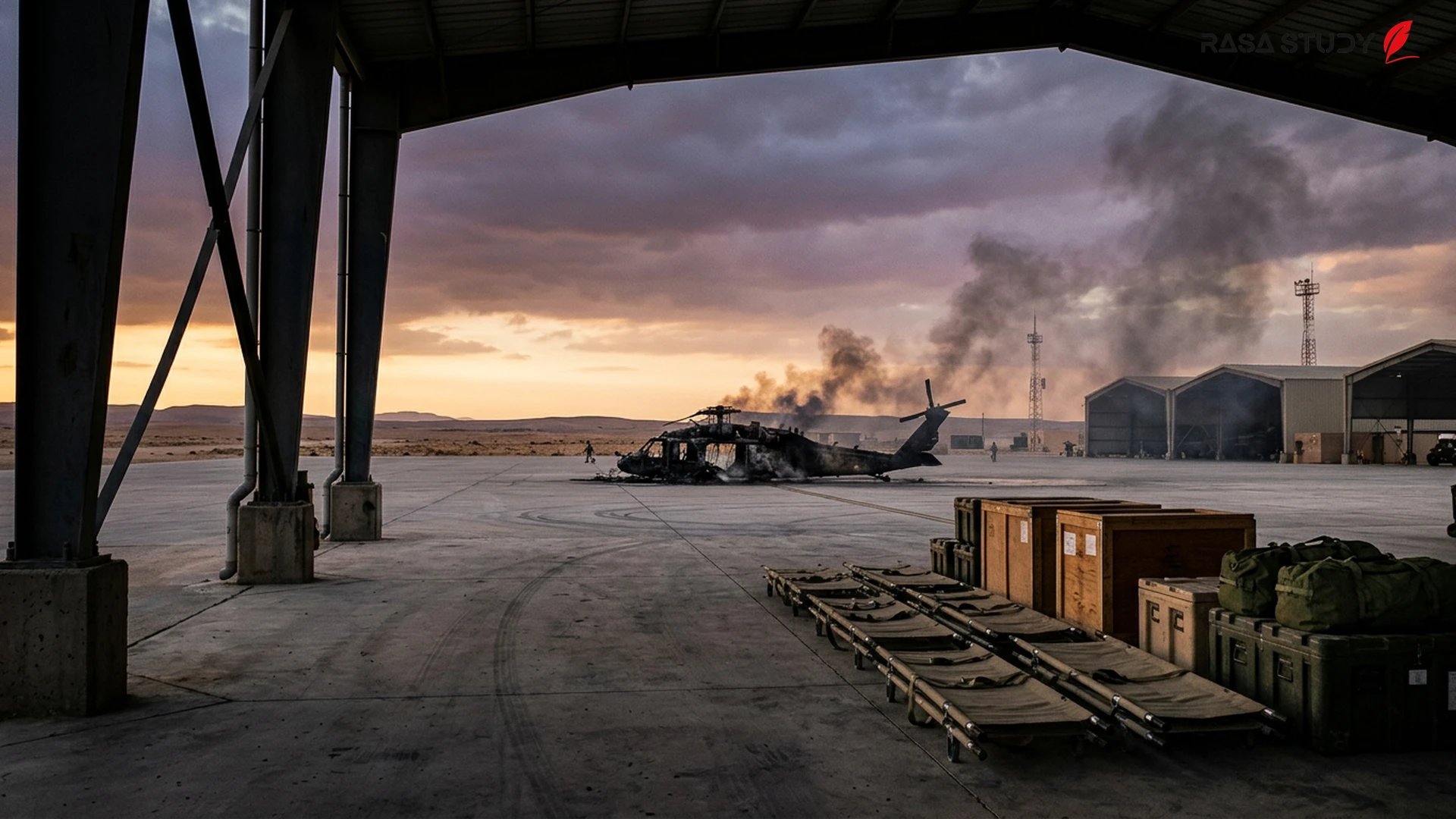
Amid the closure of the Strait of Hormuz and unprecedented tensions in the Persian Gulf, Tom Barrack, US Ambassador to Ankara, unveiled a strategic plan to transform Turkey into the primary global energy transit hub, minimizing the strategic importance of Hormuz.
Today, July 18, 2026, while global energy markets remain under the impact of the consequences of the war between the United States and Iran and the closure of the Strait of Hormuz, a new economic diplomacy centered on Ankara is taking shape. Tom Barrack, US Ambassador to Turkey and Special Envoy for Syria and Iraq, stated in controversial remarks that new infrastructure projects centered on Turkey will turn the Strait of Hormuz into a "secondary issue" in energy equations [1].
Ending the Era of Dependence on the Strait of Hormuz Given that approximately 20% of the world's oil and liquefied natural gas (LNG) passes through the Strait of Hormuz, the blockade of this route by Iran in recent months has dealt a major shock to the global economy. The US Ambassador emphasized that Washington can no longer tie its energy security and that of its allies to a vulnerable maritime route. During a US-Iraq business meeting in Washington, he specified that the new US strategy focuses on creating secure land routes extending directly from Iraqi and Turkish territory toward Europe [1][5].
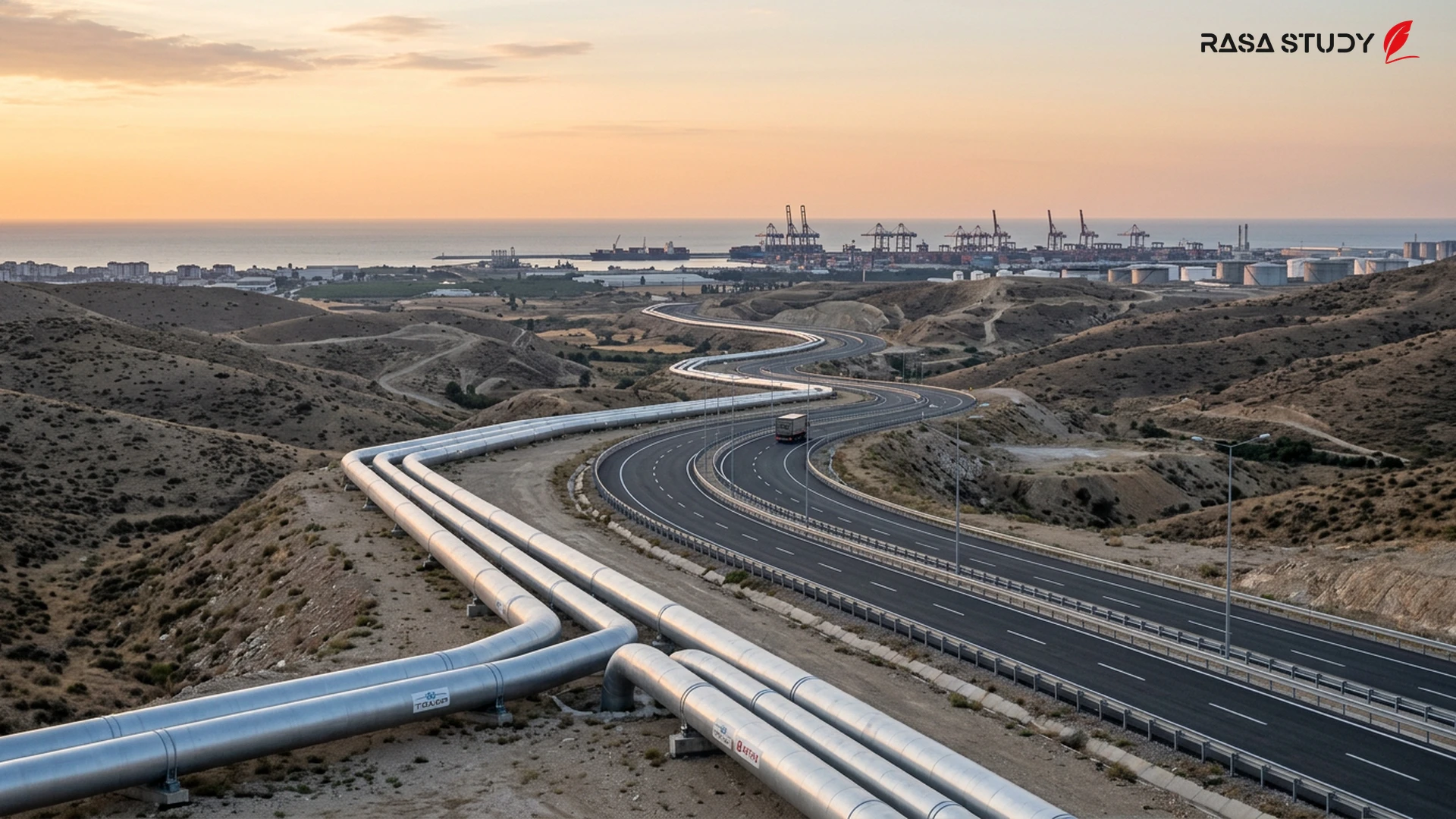
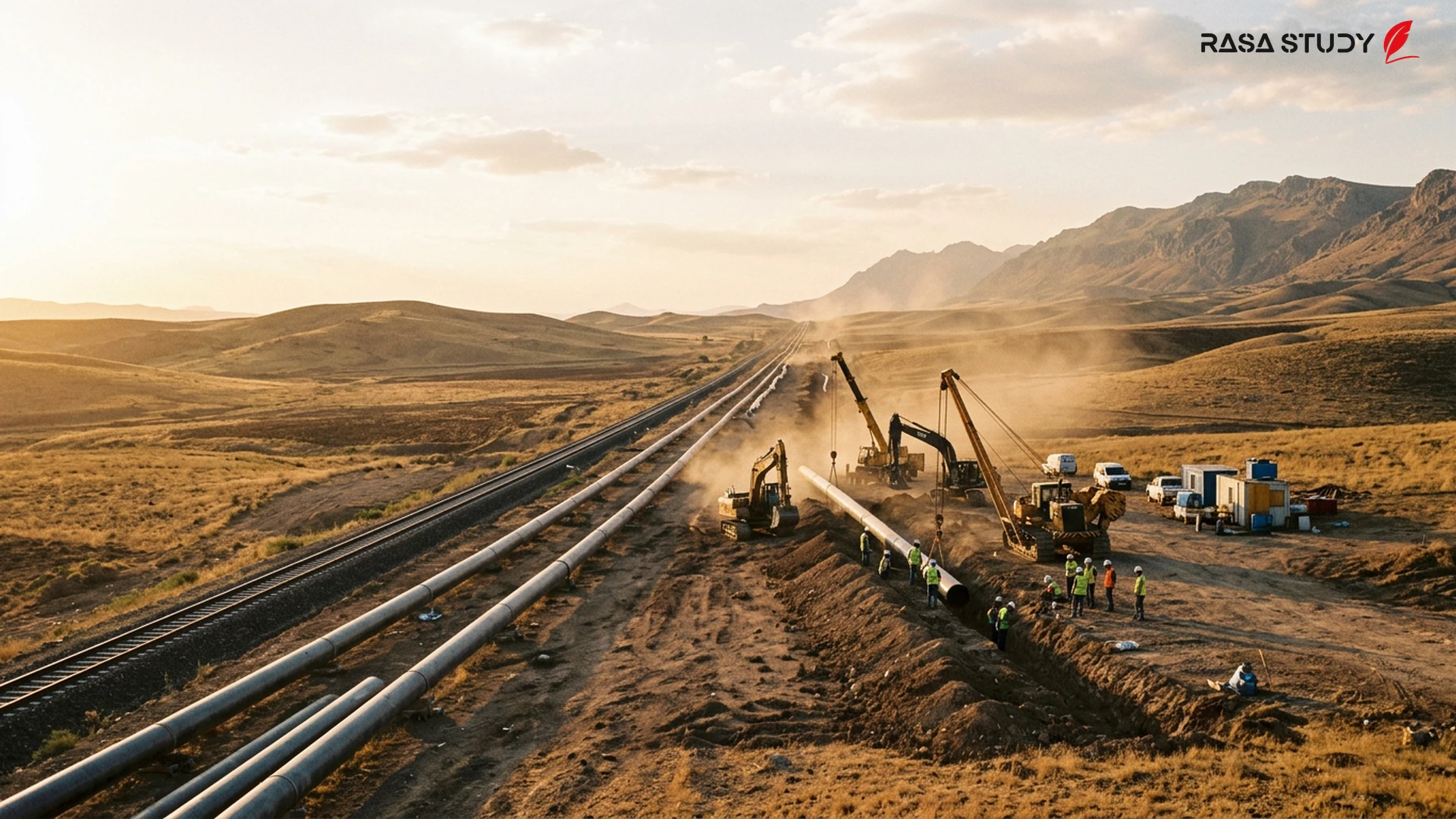
The "Development Road" Project and Turkey's Key Role The centerpiece of this transformation is the $17 billion "Development Road" (Kalkınma Yolu) project, which connects the Grand Faw Port in southern Iraq to the Turkish border via a 1,200-kilometer rail and road network. This project, being implemented with financial support from Qatar and the United Arab Emirates, transforms Iraq into a transit hub connecting Asia to Europe through Turkey [3]. Tom Barrack noted that Turkey, due to its robust infrastructure and unique geographical position, is the "only realistic option" for hosting these strategic corridors [4].
Alliance of American Companies and Massive Investment In this regard, reports indicate that the Iraqi government, led by Prime Minister Ali Al-Zaidi, has signed contracts worth $60 billion with major American companies, including Chevron. These contracts include the revival of the historic Kirkuk-Baniyas pipeline and the construction of new pipelines to transport Basra oil to Syrian Mediterranean ports and the Ceyhan terminal in Turkey [3]. According to experts, with these lines becoming operational in the next two years, the oil transfer capacity through this route will reach over 2 million barrels per day, effectively eliminating the need to pass through the Strait of Hormuz for a large portion of the region's exports [2][5].
Changing the Regional Geopolitical Map The US Ambassador in Ankara believes these projects will not only solve the current Hormuz crisis but also foster deeper economic ties among regional countries, including Turkey, Iraq, Jordan, and a post-Assad Syria. He emphasized that "sustainable security is achieved through oil pipelines and railways, not just military power" [4]. With the implementation of this plan, Turkey will solidify its position as the "world's energy bridge," and the dependence of Gulf countries on high-risk maritime routes will change forever [1].
Tom Barrack, US Ambassador, considers new Turkey-centered projects as the ultimate solution for global energy security.
linkSources
- ABD Büyükelçisi: Türkiye merkezindeki projeyle Hürmüz krizini aşacağız — Tevhid Haber (2026-07-17)
- Syria, Iraq and US plan to unveil Mediterranean pipeline deal to bypass Strait of Hormuz — Middle East Eye (2026-07-11)
- Iraq signs deals with multiple US firms, including oil and communications — The New Arab (2026-07-18)
- US Türkiye ambassador urges finding alternatives to Strait of Hormuz for energy security — Anadolu Agency (2026-04-17)
- New pipelines bypassing the Strait of Hormuz could come online in 1-2 years — Kpler (2026-07-10)