Following an unprecedented escalation of tensions in the Persian Gulf, the United States has officially begun a naval blockade of Iranian ports by deploying 19 warships near the Strait of Hormuz. This move, met with a sharp reaction from Tehran, has placed the region on the brink of a full-scale war.
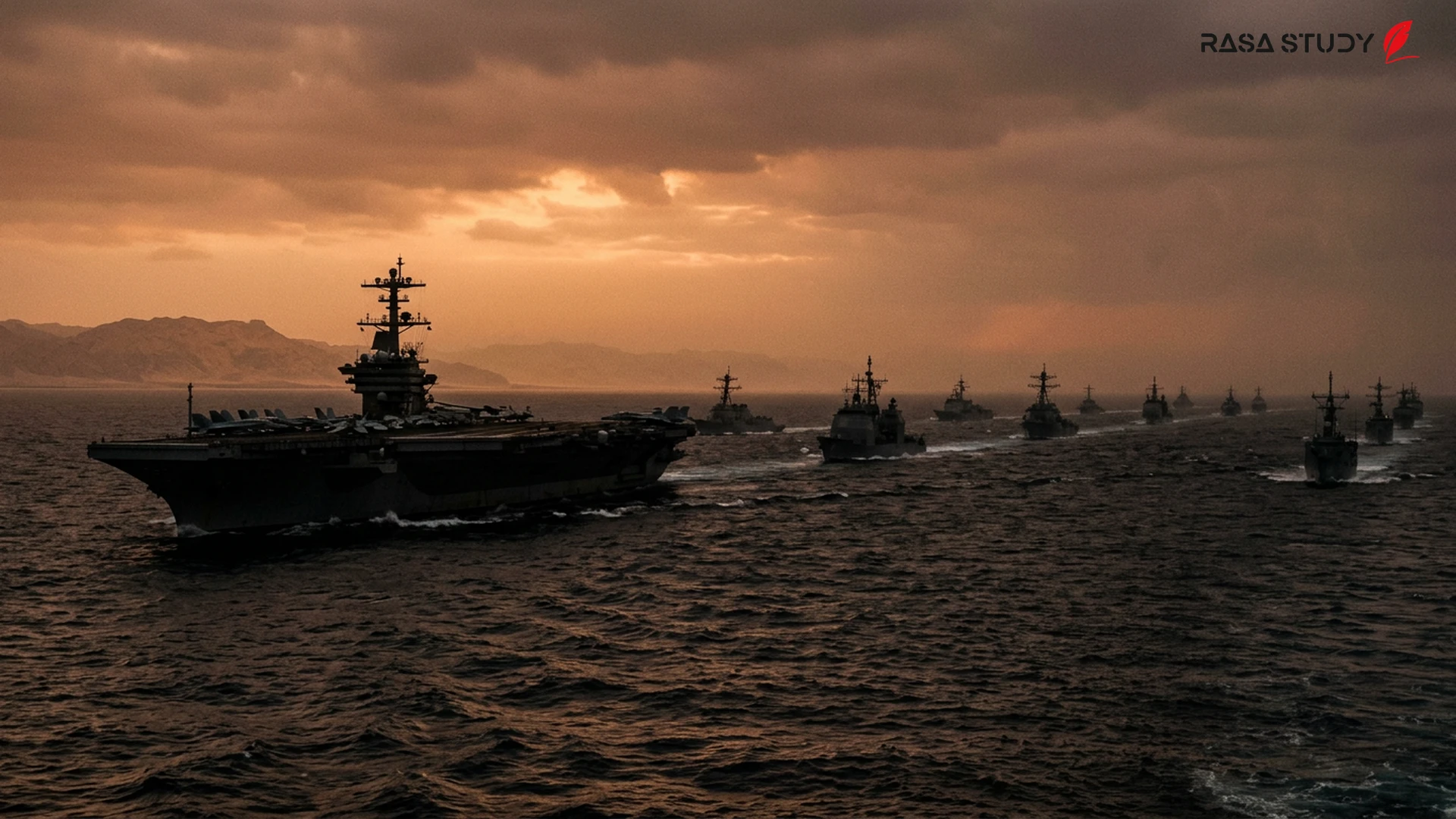
Unprecedented Military Array in the North Arabian Sea Reports received on July 14, 2026, indicate that the United States Navy has deployed at least 19 warships in the Middle East region. This massive fleet, mostly positioned in the North Arabian Sea, includes two large aircraft carriers, the USS Abraham Lincoln and the USS George H.W. Bush [3]. Additionally, 13 destroyers, the amphibious assault ship USS Boxer, one cruiser, and two support ships accompany this strike group. The presence of this many destroyers grants Washington extraordinary firepower to execute blockade operations and control maritime traffic [1][4].
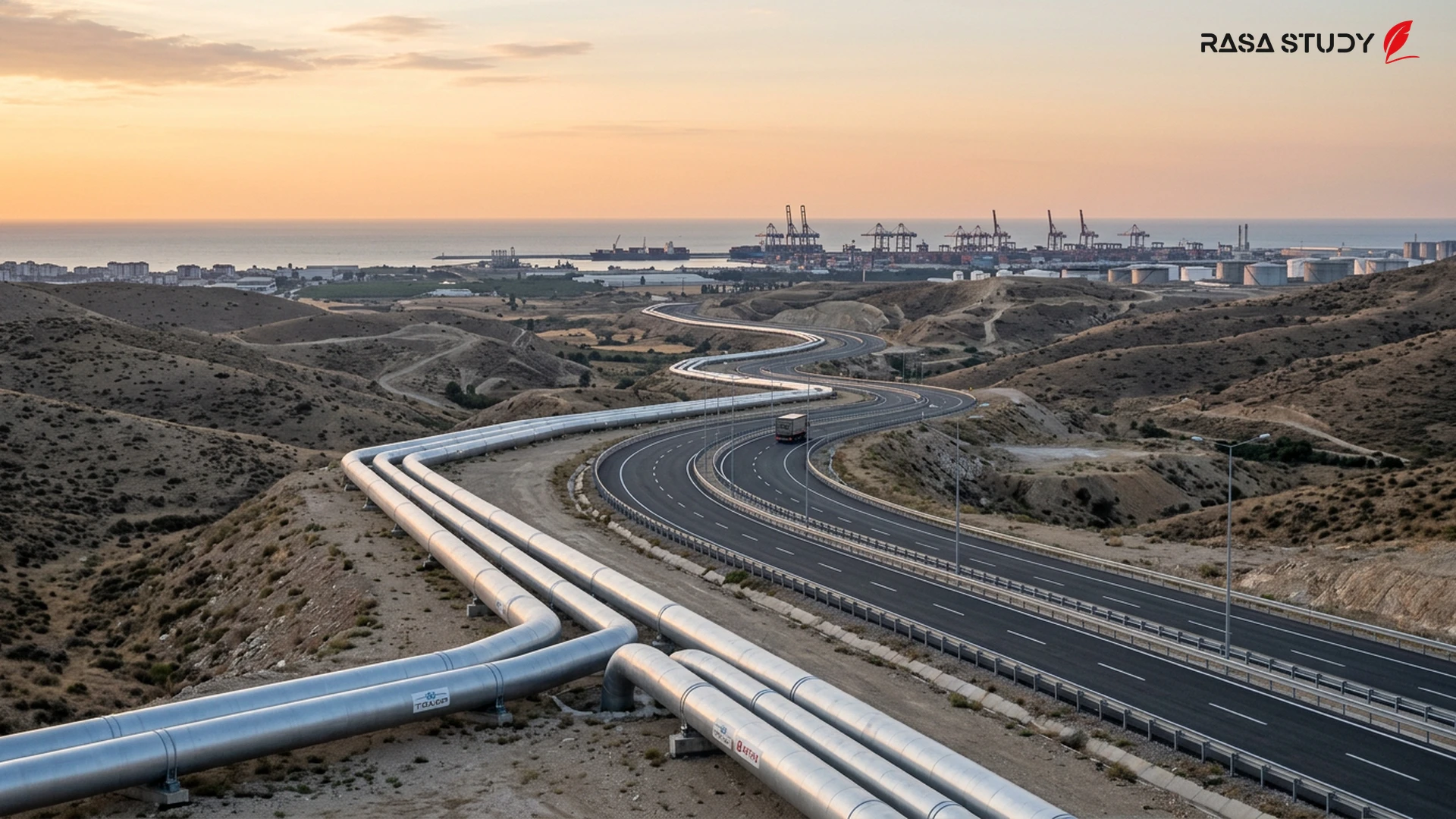
Declaration of Naval Blockade and the 'Guardian of Hormuz' Doctrine US President Donald Trump announced in an official statement that as of 16:00 Eastern Time on Tuesday (July 14), the naval blockade of Iranian ports is back in effect. Trump emphasized that this blockade only applies to Iranian ships or Iran's customers, and other countries can still use the waterway [2]. However, in a controversial policy shift, he announced that the United States, as the 'Guardian of the Strait of Hormuz,' will henceforth collect 20% of the value of commercial cargo as a 'security fee' from passing ships [1][5]. This move has faced strong opposition from international shipping companies, including the German firm Hapag-Lloyd, which deemed it contrary to international laws in open waters [5].
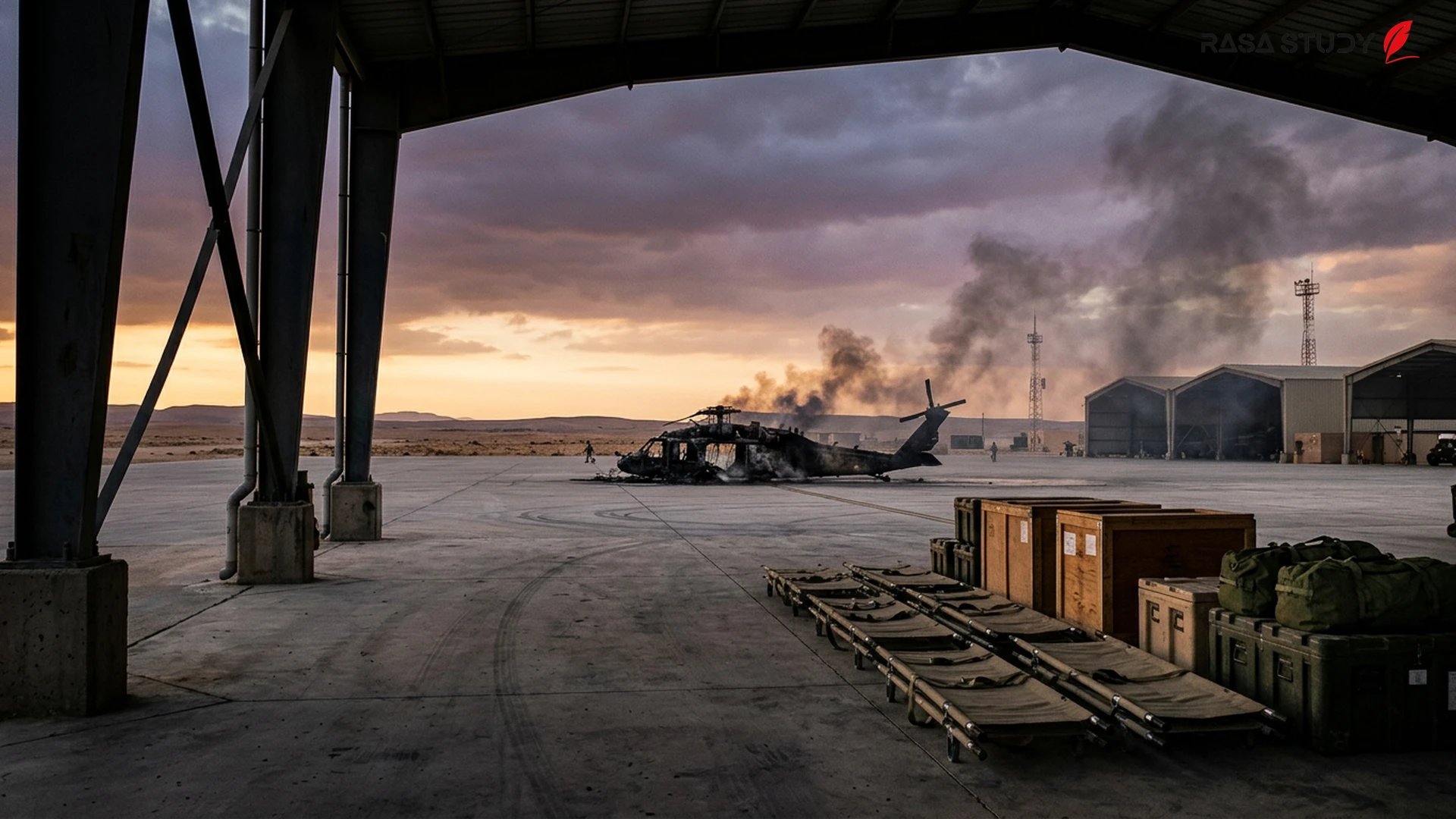
Exchange of Fire and Missile Attacks in the Region The declaration of the naval blockade follows a week of heavy clashes. Over the past three nights, the US military has conducted multiple strikes against Iranian defense systems, drone sites, and naval infrastructure in Bushehr, Jask, and Bandar Abbas [7]. In response, the Islamic Revolutionary Guard Corps has targeted US bases in Bahrain (headquarters of the Fifth Fleet), Jordan, and Kuwait with missiles and drones [1][4]. There are also reports of Iranian missile attacks on two tankers belonging to the United Arab Emirates in the Gulf of Oman, resulting in several crew members killed and wounded [7].
Economic Consequences and the Collapse of the Ceasefire These military movements effectively mean the total collapse of the memorandum of understanding and the temporary ceasefire signed between Tehran and Washington in June [7]. Brent crude oil prices jumped 7.8% to approximately $82 following this news, though analysts warn that if the Strait of Hormuz is completely closed, this figure could return to above $120 [7]. While Oman and Qatar are attempting to mediate and prevent a wider war, the presence of 19 US warships demonstrates Washington's resolve to change the balance of power in this strategic waterway [6].
The US Fifth Fleet, with 19 naval vessels, has taken control of traffic in the Strait of Hormuz.
linkSources
- US military to enforce new Iran blockade starting 4pm Tuesday — Axios (2026-07-14)
- Trump renews Iran blockade and again threatens to take control of strait of Hormuz — The Guardian (2026-07-14)
- Navy has at least 19 warships deployed to the Middle East — Washington Post (2026-07-14)
- شوک و بهت در خاورمیانه؛ ۱۹ ناو جنگی آمریکایی در منطقه مستقر شد — Aftab News (2026-07-14)