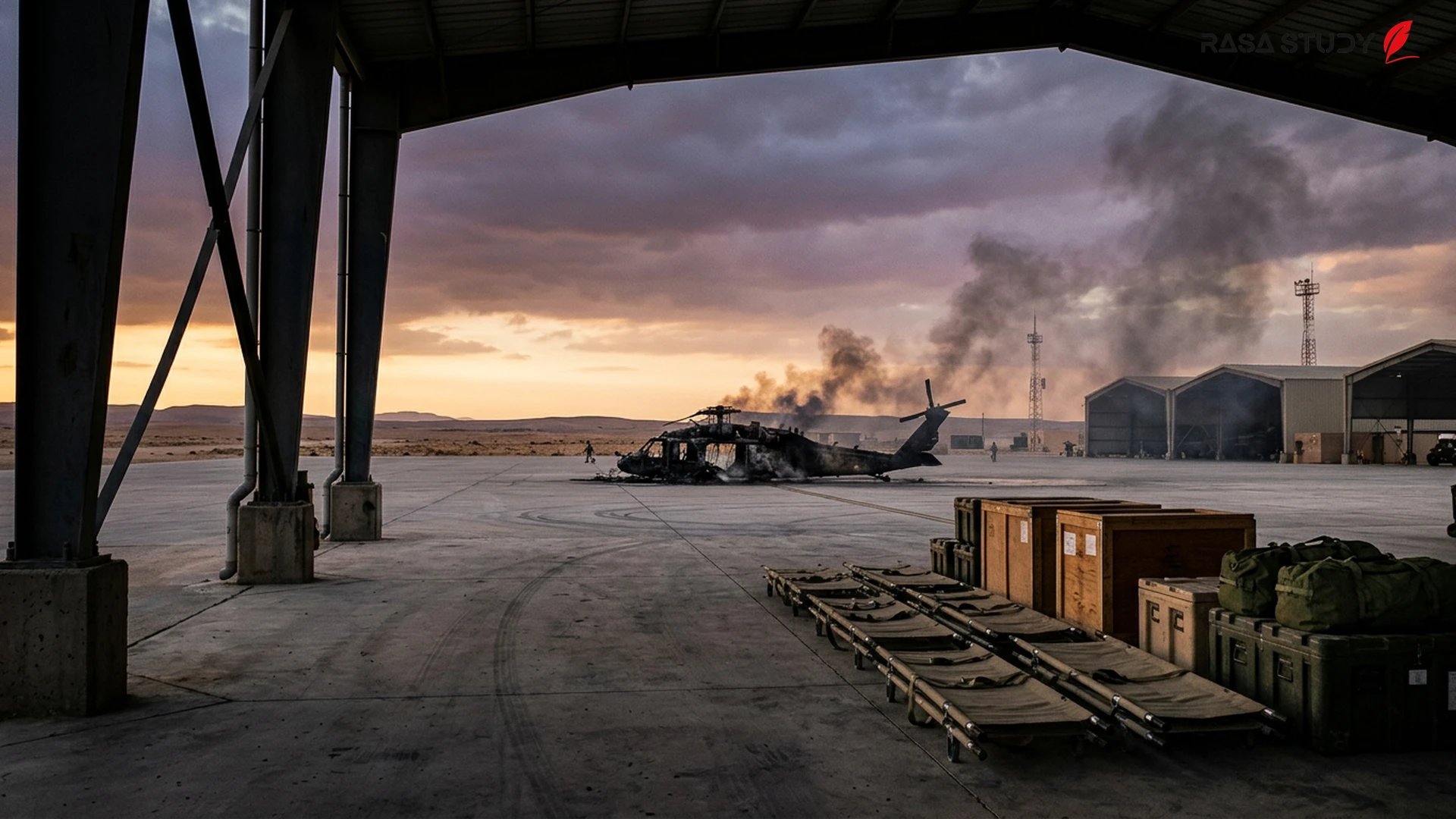
Following recent United States airstrikes on Iran's southern coast, regional military forces issued a decisive warning, accusing Washington of violating the ceasefire agreement and emphasizing their right to retaliate.
Escalation in the Strait of Hormuz and Violation of Agreements On June 27, 2026, the Persian Gulf region once again witnessed intense military tensions between the United States and Iran. According to a report by the Turkish newspaper "Yeni Akit," a serious warning has been issued to the United States, emphasizing a "reciprocal response" to Washington's recent actions [1]. This warning was issued after American forces were accused of ignoring the terms of a temporary ceasefire that had been signed only a few weeks prior.
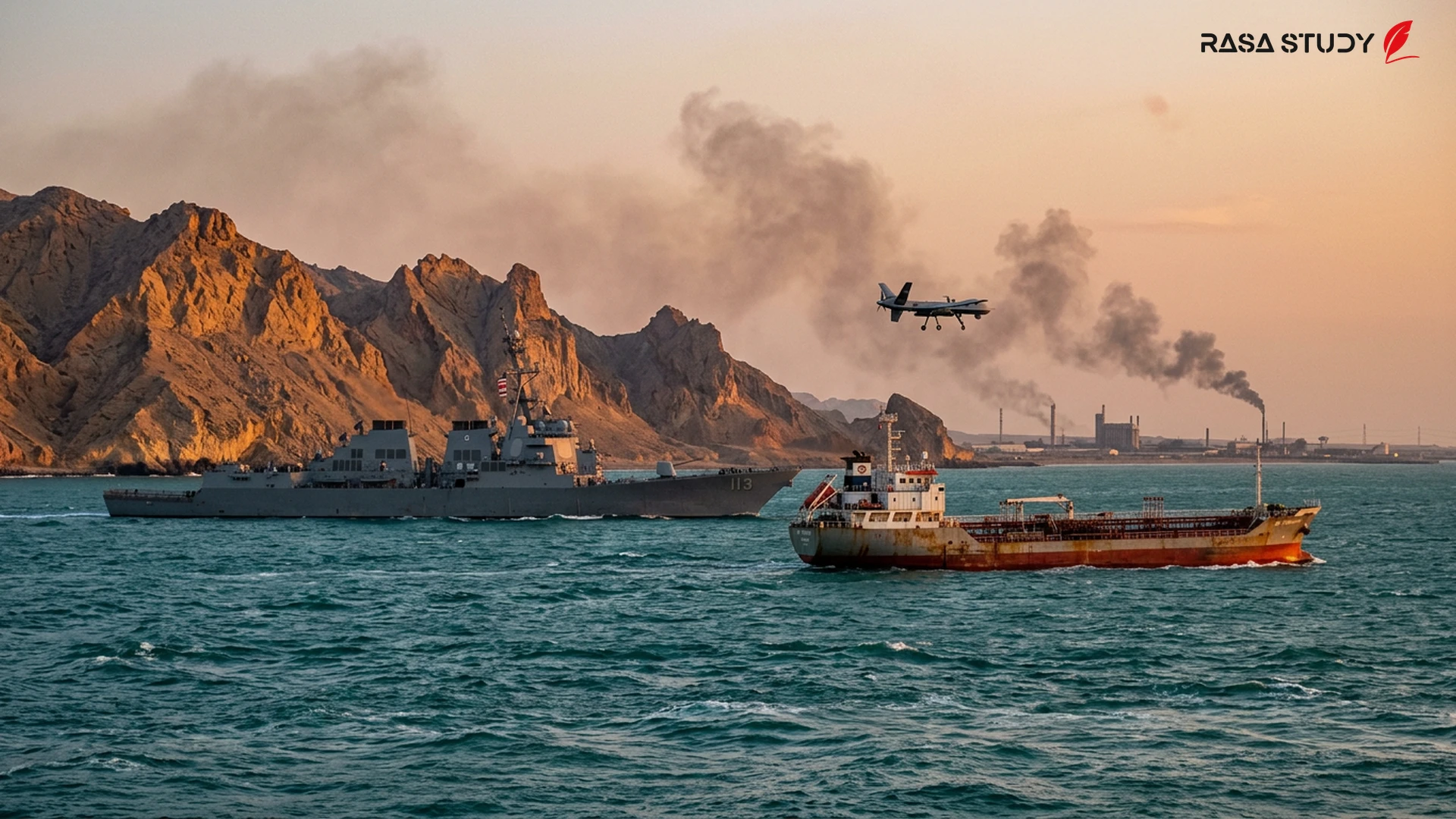
The spark for these new conflicts was ignited when the United States claimed that Iran had attacked a Singapore-flagged commercial vessel in the Strait of Hormuz using drones. US President Donald Trump described the move as a "foolish violation of the ceasefire" [2]. In response to this claim, the United States Central Command (CENTCOM) conducted airstrikes against radar facilities and drone warehouses near the Iranian city of "Sirik" [3].
Mutual Accusations and Warning for Military Reaction Iranian military forces, in a statement reflected by Turkish media, declared that the US attacks on their territory were a "clear aggression" and a direct violation of the peace memorandum. The statement read: "We warn that any new foolishness will be met with a harsh response that will shatter the illusions of the aggressors in the region" [1]. These forces emphasized that their response would be given at the "appropriate time and place."
Meanwhile, US Vice President JD Vance stated in a sharp tone that "violence will be met with violence" and urged Tehran to use diplomatic channels instead of military actions if it had objections to how the ceasefire was being implemented [3]. This exchange of fire has presented a serious challenge to international efforts to keep the vital waterway of the Strait of Hormuz open.
Turkey's Mediation Role and the Risk of Peace Collapse Turkey, which has acted as one of the main mediators since the beginning of this crisis, warned of the collapse of the peace process. Turkish President Recep Tayyip Erdogan had previously warned that certain groups might try to sabotage the ceasefire agreement [4]. Ankara officials have now called on both sides to refrain from provocative actions and return to the negotiating table.
The current situation demonstrates the fragility of an agreement that was intended to end a war that began in February 2026. Given the recent attacks, experts believe that if immediate diplomatic pressure is not applied, the region may once again return to a full-scale conflict with heavy consequences for global energy markets [3].
Military tensions in the Strait of Hormuz reached a peak after mutual strikes in June 2026.
linkSources
- Ateşkesi yok sayan ABD'ye sert uyarı! 'Karşılık vereceğiz' — Yeni Akit Gazetesi (2026-06-27)
- Trump: İran ateşkesi 4 kez ihlal etti — CNN Türk (2026-06-26)
- US strikes Iran in tit-for-tat response to drone strike on cargo ship — The Guardian (2026-06-26)
- Turkey welcomes US-Iran deal, warns against attempts to sabotage process — Turkish Minute (2026-06-15)