Yankı Bağcıoğlu, retired Admiral and Vice President for National Defense Policy of the Republican People's Party (CHP), stated today that a potential mine-clearing operation in the Strait of Hormuz provides a strategic opportunity to prove the operational and export capabilities of Turkey's unmanned vessels.
While tensions in the Persian Gulf have been easing in recent months as Iran-US negotiations enter their final stages, Yankı Bağcıoğlu, CHP Vice President for National Defense Policy, emphasized the need for Turkey to play an active role in the post-crisis era. He believes the current situation in the Strait of Hormuz could become a launching pad for Ankara's defense industries and geopolitical influence [1].
Mine-Clearing Prospects in Hormuz After Negotiations Given reports of progress in indirect negotiations between Tehran and Washington to end military conflicts that began in February 2026, a large-scale operation to clear sea mines in the Strait of Hormuz is expected to commence [1][6]. In his statement, Bağcıoğlu noted that some global powers, including Britain, intend to use automated and unmanned systems for this dangerous mission. He stressed that Turkey must not fall behind and should demonstrate its capabilities in this field with a rapid response [2].
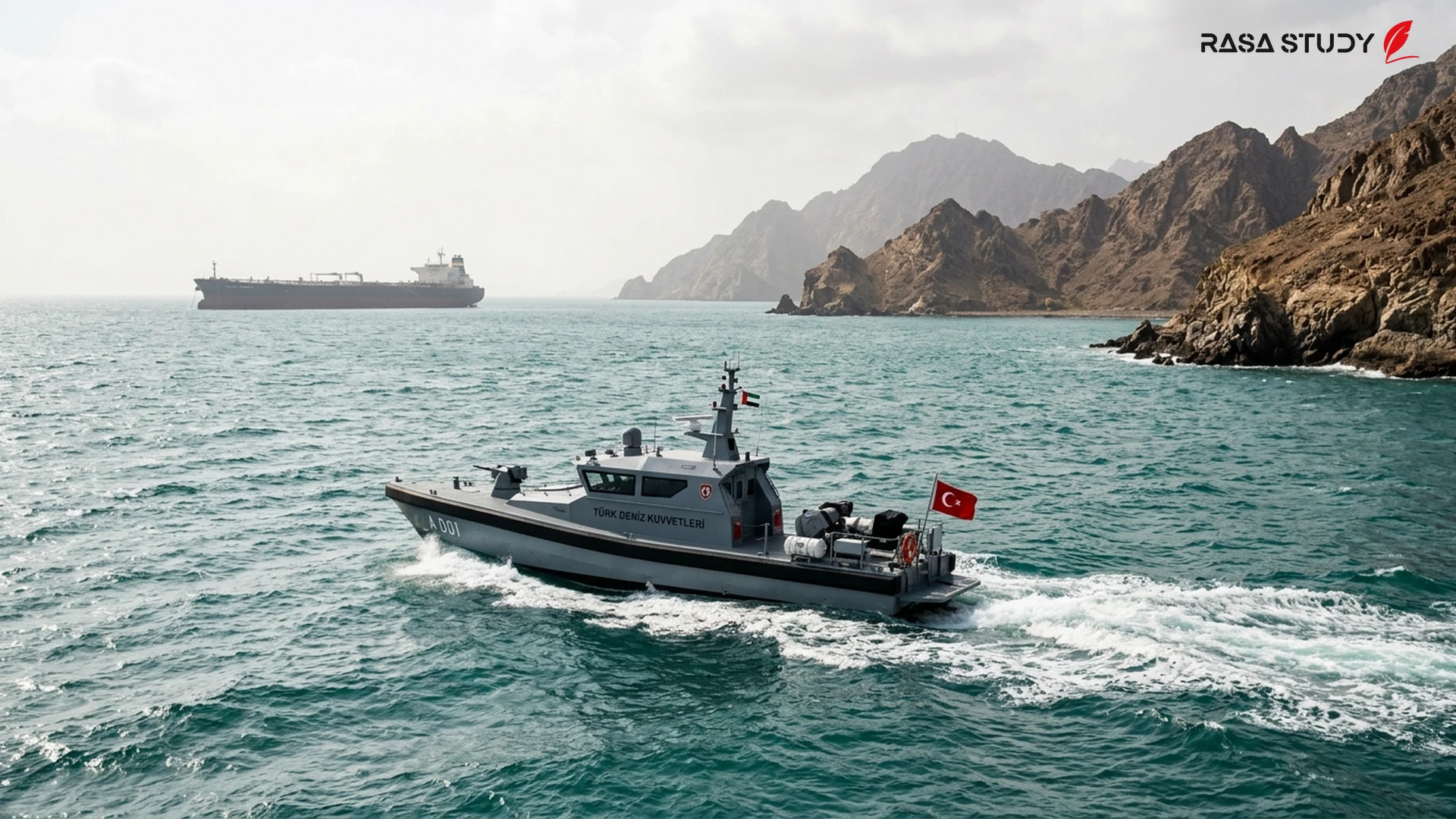
Unmanned Vessels: Turkey's Strategic Weapon Turkey has invested heavily in Unmanned Surface Vehicles (USVs) in recent years. Bağcıoğlu suggested that a portion of these vessels, equipped with mine countermeasure systems, participate in this international and humanitarian mission [1]. According to the retired Admiral, presence in such operations in one of the world's most sensitive waterways would not only test the efficiency of Turkey's indigenous systems in a real combat field but also secure international certifications for this equipment, which is vital for the future of Turkey's military exports [2][9].
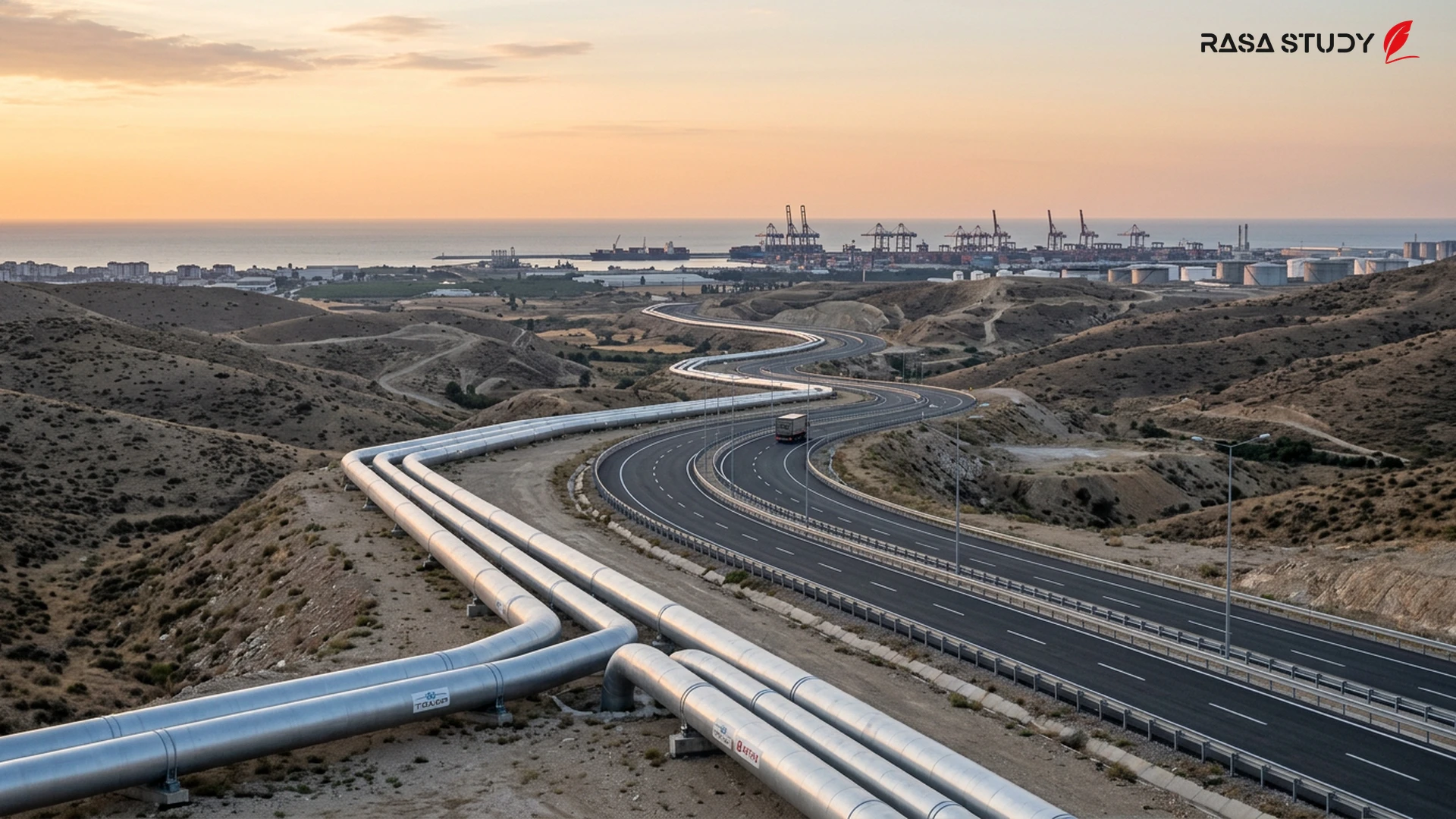
Strategic and Economic Benefits for Ankara The 2026 Hormuz crisis once again demonstrated the fragility of traditional energy routes. While oil prices have experienced severe fluctuations due to disruptions in tanker traffic, Turkey has positioned itself as a secure alternative by relying on pipelines and projects such as the "Development Road" [1.2.2][1.4.9]. Bağcıoğlu believes that military-technological participation in reopening Hormuz will solidify Turkey's position as a responsible and powerful actor in global energy security [3].
Blue Homeland Doctrine and Regional Security These remarks come as the "Blue Homeland" (Mavi Vatan) doctrine remains the core of Turkey's maritime policies. Criticizing some current approaches, Bağcıoğlu called for the swifter passage of bills related to maritime jurisdiction zones in Parliament so that Turkey can participate in overseas operations with stronger legal backing [1.3.5]. He emphasized that Turkey's national security goes beyond economic issues and that a presence in Hormuz would be a clear message to rivals in the Eastern Mediterranean and the Aegean Sea [1.3.2].
Yankı Bağcıoğlu, retired Admiral, emphasizes the use of modern maritime technologies in the Hormuz crisis.
linkSources
- Yankı Bağcıoğlu'ndan 'Hürmüz Boğazı' açıklaması: Türkiye için fırsat olabilir — Anka Haber Ajansı (2026-06-13)
- CHP'li Bağcıoğlu'ndan 'Hürmüz Boğazı' açıklaması: Türkiye için fırsat olabilir — T24 (2026-06-13)
- The Strait Of Hormuz Crisis: A Risk Today, A Strategic Opportunity For Turkey Tomorrow — Eurasia Review (2026-03-11)
- Iran warns military vessels in Hormuz will be targeted — Yeni Şafak (2026-05-31)